Business License

Engineering Plastics: A Complete Selection Guide for Manufacturers (2026)
Engineering plastics are high-performance polymer resins designed to withstand mechanical load, temperature extremes, and chemical exposure beyond what commodity plastics can handle. The most widely used engineering plastics include POM (polyoxymethylene), ABS (acrylonitrile butadiene styrene), PC (polycarbonate), nylon (PA), and TPU (thermoplastic polyurethane), each selected for specific mechanical, thermal, and processing requirements.
What happens when the wrong material ends up in a precision gear, an automotive connector, or a medical housing? Production delays, field failures, and costly redesigns. Material selection is not a formality; it is a decision that shapes product performance, manufacturing yield, and total cost. Manufacturers who treat engineering plastics as interchangeable commodity pellets often learn this lesson the hard way.
In this guide, you will learn how engineering plastics differ from standard plastics, which properties matter for real applications, and how to match common grades to industries from automotive to electronics. We will also explain why sourcing through an authorized distributor protects your supply chain from counterfeit or off-spec material. By the end, you will have a practical framework for choosing the right resin with confidence.
Ailide Polymer is an authorized distributor of engineering plastics, general plastics, and thermoplastic elastomers from globally recognized suppliers including DuPont, Polyplastics, Chi Mei, Formosa Plastics, LCY Chemical, Asahi Kasei, Bayer, and BASF.
Key Takeaways
Engineering plastics deliver superior mechanical strength, heat resistance, and dimensional stability compared to commodity plastics.
POM, ABS, PC, nylon, and TPU each dominate different applications based on load, temperature, chemical exposure, and flexibility needs.
Material selection should follow a structured process: define requirements, compare grades, review TDS data, and validate with samples.
Sourcing through an authorized distributor ensures authenticity, batch traceability, and proper documentation.
Ailide Polymer supplies certified engineering plastics nationwide across China with technical support for grade selection.
What Are Engineering Plastics?
Engineering plastics are thermoplastic polymers formulated for demanding applications where mechanical performance, thermal resistance, and dimensional stability are critical. Unlike commodity plastics such as polyethylene (PE) or polypropylene (PP) used in bags, bottles, and packaging, engineering plastics are expected to maintain their properties under stress, heat, and chemical contact over long service lives.
The term "engineering plastic" is not a single chemistry. It describes a category of materials that include crystalline resins like POM and nylon, amorphous resins like PC and ABS, and elastomeric materials like TPU. What unites them is their use in load-bearing or precision parts where failure has real consequences.
A useful way to think about the difference is this: commodity plastics are chosen mainly for cost and ease of processing. Engineering plastics are chosen because the part must perform. That performance comes with higher material cost and more demanding processing parameters, but the trade-off is justified when the application requires strength, heat resistance, wear resistance, or electrical insulation.
According to Grand View Research, the global engineering plastics market continues to expand as automotive lightweighting, electronics miniaturization, and industrial automation drive demand for high-performance materials. For manufacturers, this growth means more grades to choose from, and more reason to understand selection fundamentals.
Common Types of Engineering Plastics
Understanding the major families of engineering plastics is the foundation of good material selection. Each material has a characteristic property profile that makes it suitable for specific applications and unsuitable for others.
POM (Polyoxymethylene / Acetal)
POM is a high-crystallinity thermoplastic known for excellent dimensional stability, low friction, high stiffness, and good wear resistance. It machines well, holds tight tolerances, and resists creep under sustained load. These properties make POM a top choice for precision gears, bearings, bushings, conveyor components, and automotive fuel-system parts.
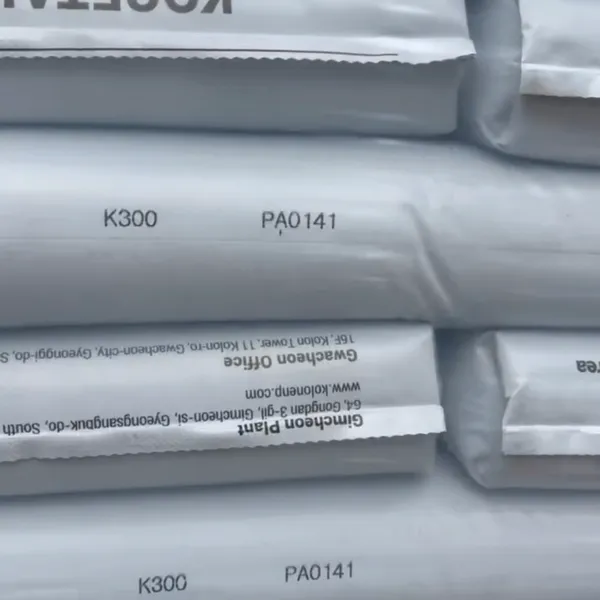
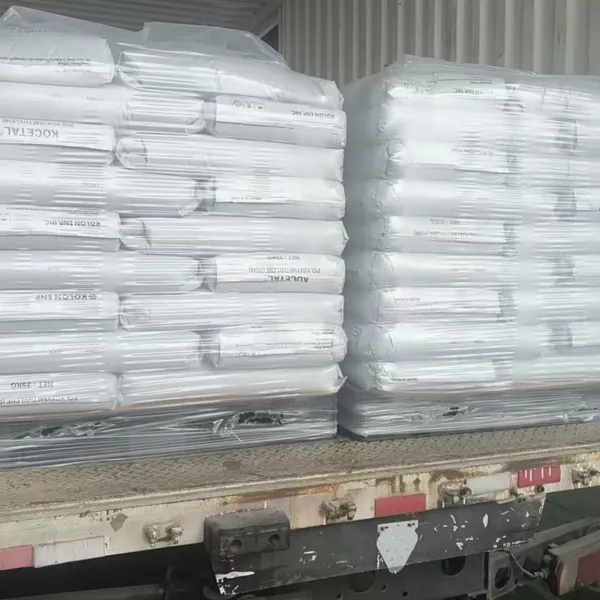
POM is available in homopolymer and copolymer forms. Homopolymers such as DuPont Delrin offer slightly higher mechanical properties and hardness. Copolymers such as Polyplastics DURACON and KOCETAL grades provide improved chemical resistance and thermal stability. Ailide Polymer distributes a range of POM materials suitable for precision mechanical applications.
The main limitations of POM are poor adhesion, limited resistance to strong acids and oxidizing agents, and sensitivity to UV without stabilization. It also requires proper drying before injection molding to avoid degradation.
ABS (Acrylonitrile Butadiene Styrene)
ABS combines the strength and rigidity of acrylonitrile, the toughness of butadiene rubber, and the processability of styrene. The result is a versatile material with good impact strength, excellent surface finish, and easy moldability. ABS is widely used in appliance housings, consumer electronics enclosures, automotive interior trim, and toys.
ABS grades vary widely. Standard grades offer a balance of properties. High-impact grades improve toughness at the cost of some stiffness. Heat-resistant grades extend deflection temperature for applications near hot components. Flame-retardant grades meet electrical safety standards for enclosures and connectors.
For manufacturers comparing housing materials, our ABS grades provide consistent batch quality and color stability for visible parts.
PC (Polycarbonate)
Polycarbonate is valued for its exceptional impact strength, optical clarity, and heat resistance. It is one of the few engineering plastics that can be used in transparent structural applications. Common uses include automotive lighting lenses, safety glasses, electronic display covers, medical device housings, and greenhouse panels.
PC offers high heat deflection temperature and good electrical insulation. It can be blended with ABS to create PC/ABS alloys that combine the heat and impact resistance of PC with the processability and surface quality of ABS. These blends are common in automotive interiors, laptop housings, and power-tool bodies.
The drawbacks of PC include sensitivity to certain chemicals and solvents, susceptibility to scratching compared to acrylic, and the need for drying before processing. UV stabilization is recommended for outdoor applications.
Nylon (Polyamide / PA)
Nylon is a family of polyamides, most commonly PA6 and PA66, known for high tensile strength, wear resistance, fatigue resistance, and low friction. It is used in gears, bearings, bushings, cable ties, fasteners, and under-hood automotive components.
PA66 generally offers higher mechanical properties, heat resistance, and stiffness than PA6. Glass-filled grades further improve strength, stiffness, and dimensional stability. However, nylon absorbs moisture from the environment, which can affect dimensions and mechanical properties. Designers must account for moisture uptake in tight-tolerance applications.
DuPont Zytel grades are among the most recognized PA66 materials globally. Ailide Polymer supplies nylon grades with full technical data sheets and batch documentation for industrial and automotive applications.
TPU (Thermoplastic Polyurethane)
TPU bridges the gap between rigid plastics and rubber. It is flexible, abrasion-resistant, tear-resistant, and available in a wide range of hardness levels measured by Shore A or Shore D. TPU is used in footwear soles, cable jackets, seals, gaskets, hoses, films, and textile coatings.
TPU can be classified as aromatic or aliphatic. Aromatic grades offer good mechanical properties and lower cost but can yellow under UV exposure. Aliphatic grades provide better color stability and UV resistance for visible or optical applications. Polyester-based TPUs generally resist oil and grease better, while polyether-based TPUs perform better in hydrolytic environments.
Engineering Plastics Properties That Matter
Selecting an engineering plastic starts with translating application requirements into measurable material properties. Here are the properties procurement managers, designers, and molders evaluate most often.
Mechanical Strength
Tensile strength, flexural modulus, and impact strength describe how a material behaves under load. Gears and structural brackets need high stiffness and creep resistance. Housings and enclosures prioritize impact resistance and toughness. Always compare properties at the service temperature, not just room temperature.
Heat Resistance
Heat deflection temperature (HDT) and continuous service temperature indicate how a material performs at elevated temperatures. Under-hood automotive parts, electrical connectors, and appliance components near heating elements require materials with HDT well above the maximum operating temperature.
Chemical Resistance
Exposure to fuels, oils, solvents, acids, or cleaning chemicals can degrade some plastics. POM resists many hydrocarbons but is attacked by strong acids. Nylon swells in water and some polar solvents. PC is vulnerable to certain organic solvents. Match the material to the chemical environment of the end use.
Dimensional Stability
Dimensional stability reflects how much a material changes with temperature and moisture. POM and PBT offer excellent stability for precision parts. Nylon and TPU absorb moisture and require careful tolerance design. Filled grades generally improve dimensional stability.
Electrical Properties
For electrical and electronic applications, properties such as dielectric strength, volume resistivity, and tracking resistance matter. PBT and PC are common in connectors and switches. Flame-retardant grades are often required to meet UL94 ratings.
Wear and Friction
Low-friction, wear-resistant materials reduce maintenance and extend service life in moving parts. POM and nylon are frequently compared for bushings and bearings. The right choice depends on load, speed, mating surface, and whether the part runs dry or lubricated.
Engineering Plastics Applications by Industry
Different industries emphasize different property combinations. Understanding these priorities helps narrow the field quickly.
Automotive
The automotive industry uses engineering plastics for interior trim, under-hood components, fuel systems, lighting, and electrical connectors. Lightweighting remains a major driver as OEMs replace metal with high-performance polymers to improve fuel efficiency and reduce emissions.
POM serves fuel-system components and door-lock mechanisms. Nylon with glass fiber reinforcement handles engine covers, intake manifolds, and structural brackets. PC and PC/ABS blends are used in headlamp lenses, instrument panels, and interior trim. TPU finds use in seals, hoses, and cable jacketing.
Electronics and Electrical
Engineering plastics in electronics must balance insulation, heat resistance, flammability, and dimensional stability. ABS and PC/ABS dominate housings for computers, routers, and power tools. PBT and nylon are common in connectors, switches, and relays. Flame-retardant grades are essential for safety-critical devices.
Miniaturization trends push materials toward higher heat resistance and thinner-wall processability. Designers must also consider surface finish for visible components and color consistency across production batches.
Appliances and Consumer Goods
Appliance manufacturers value ABS for its surface quality, impact strength, and ability to accept color matching. Refrigerator liners, vacuum cleaner housings, blender bases, and small appliance enclosures commonly use ABS or PP grades. PMMA provides transparent panels and decorative elements.
Seasonal demand patterns make reliable supply important. A manufacturer who cannot source the right ABS grade on schedule may miss production windows. This is why many appliance makers partner with distributors who maintain stable inventory.
Industrial Machinery
Industrial applications often involve gears, bearings, rollers, guides, and structural supports. POM and nylon compete closely in this space. POM offers lower friction and better dimensional stability. Nylon offers higher toughness and fatigue resistance. The choice depends on load, speed, temperature, and moisture conditions.
When the engineering team at a Jiangsu-based automation equipment manufacturer needed a wear-resistant bushing for a high-cycle conveyor, they initially selected a standard nylon grade. After testing, they found moisture absorption caused dimensional drift that affected alignment. Switching to a low-moisture POM grade solved the issue and reduced wear by approximately 30%. The lesson: the same application can have very different outcomes depending on grade selection.
How to Choose the Right Engineering Plastic
Material selection should be a structured process, not a guess. The following framework helps teams make consistent, defensible decisions.
Step 1: Define Application Requirements
Start with the end-use conditions. What loads will the part carry? What temperatures will it see? Will it contact chemicals, moisture, or UV? What is the expected service life? Are there regulatory or safety standards such as UL94, FDA, or automotive OEM specifications?
Document these requirements before looking at material datasheets. Without clear requirements, it is easy to over-specify a costly grade or under-specify a material that will fail in the field.
Step 2: Identify Candidate Materials
Use the property profiles described above to identify two or three candidate materials. For example, a rigid structural bracket might narrow to glass-filled nylon or PBT. A flexible seal might narrow to TPU or TPE. A transparent impact-resistant lens might narrow to PC or PMMA.
Step 3: Compare Technical Data Sheets
Technical data sheets (TDS) provide standardized test data for properties such as tensile strength, flexural modulus, HDT, and impact strength. Compare data from the same test methods and conditions. A value measured at 23 °C may not predict behavior at 80 °C or in a humid environment.
Step 4: Consider Processing Method
Most engineering plastics are injection molded, but some are extruded, blow molded, or machined. Each process has material constraints. Thin-wall parts need high-flow grades. Large parts need materials with low shrinkage and warpage. Machined prototypes need stock shapes with consistent properties.
Step 5: Validate with Samples and Testing
Always validate the final selection with molded samples or prototype parts tested under real conditions. Laboratory data is a starting point. Real-world performance depends on part design, mold design, processing parameters, and environmental exposure.
A procurement manager at a Shenzhen electronics company once saved money by switching to a lower-cost ABS substitute for a router housing. The substitute looked identical on paper but had lower heat deflection. During summer shipping, housings warped in transit containers that exceeded 60 °C. The cost of returns, rework, and reputation damage far exceeded the material savings. Testing under actual conditions would have caught the issue before mass production.
Sourcing Engineering Plastics from Authorized Distributors
Material selection is only half the challenge. Sourcing authentic, consistent material is equally important. The engineering plastics supply chain includes authorized distributors, independent traders, and unauthorized resellers. The differences matter.
Why Authorized Distribution Matters
Authorized distributors source directly from manufacturers such as DuPont, Polyplastics, Chi Mei, Formosa Plastics, LCY Chemical, Asahi Kasei, Bayer, and BASF. This direct relationship ensures:
Authentic material with verified origin
Batch traceability and certificates of analysis
Current technical data sheets for every grade
Protection against counterfeit or off-spec resin
Technical support for grade selection and processing issues
Counterfeit or blended engineering plastics are a real risk in global supply chains. Off-spec material can cause processing problems, part failures, and compliance violations. For manufacturers producing safety-critical or export-oriented products, documentation and traceability are not optional.
What Documentation to Request
When qualifying a supplier, request the following documents for each grade:
Technical data sheet (TDS)
Certificate of analysis (COA) for the specific batch
Material safety data sheet (SDS)
Supplier authorization or distribution certificate where applicable
Origin documentation for export shipments
A reliable supplier provides these documents promptly and consistently. Evasiveness or missing paperwork is a warning sign.
Ailide Polymer sources engineering plastics through authorized channels and supplies materials with the documentation needed for quality assurance and traceability. Our product catalog covers POM, PP, ABS, TPU, PBT, PC, PMMA, PC/ABS, nylon, and modified plastics. If you need help selecting a grade or verifying documentation, contact our team for technical support.
Engineering Plastics Market Trends in 2026
Several trends are shaping how manufacturers source and use engineering plastics in 2026.
Sustainability and Recycled Content
Regulatory pressure and customer expectations are driving interest in recycled-content engineering plastics and bio-based alternatives. Automotive and electronics brands are increasingly requesting materials with recycled content and lower carbon footprints. However, recycled engineering plastics require careful qualification because batch-to-batch consistency can vary more than virgin grades.
Supply Chain Consolidation
Manufacturers are reducing the number of resin suppliers they manage. Sourcing multiple engineering plastics through a single authorized distributor simplifies procurement, improves documentation consistency, and reduces vendor audit overhead.
Electric Vehicle Growth
The shift to electric vehicles is changing material demand. Battery housings, thermal management components, and lightweight structural parts require new combinations of flame retardancy, thermal conductivity, and impact resistance. Engineering plastics suppliers are developing specialized grades for EV applications.
AI and Smart Manufacturing
Material selection is increasingly supported by digital tools, but human expertise remains essential. AI can suggest candidate grades, but final decisions still require understanding of processing behavior, end-use environment, and supplier reliability.
Conclusion
Engineering plastics are essential materials for manufacturers who need reliable mechanical, thermal, and chemical performance. The right choice depends on understanding the differences between POM, ABS, PC, nylon, TPU, and other grades, and matching those properties to real application requirements.
Key takeaways from this guide:
Engineering plastics outperform commodity plastics in load-bearing, high-temperature, and precision applications.
Each material family has distinct strengths: POM for low friction, ABS for surface quality, PC for impact and clarity, nylon for wear resistance, and TPU for flexibility.
Selection should follow a structured process: define requirements, compare candidates, review TDS data, consider processing, and validate with samples.
Authorized distribution ensures material authenticity, traceability, and documentation.
Working with a distributor who understands engineering plastics simplifies procurement and reduces risk.
If you are evaluating engineering plastics for an upcoming project, start by requesting a technical data sheet and sample batch for your target grade. The small investment in validation pays for itself in fewer production issues and better part performance. Contact Ailide Polymer to discuss your application, request a quote, or get technical guidance on selecting the right engineering plastic for your needs.
About Ailide Polymer
Ailide Polymer (Jiangsu) Co., Ltd. is an authorized distributor of engineering plastics, general plastics, and thermoplastic elastomers. We work with globally recognized suppliers to deliver certified materials with batch traceability and nationwide distribution across China. Our technical team supports customers with material selection, application guidance, and order planning.
FAQ
What are engineering plastics?
Engineering plastics are high-performance thermoplastic polymers designed for mechanical load, heat resistance, chemical exposure, and dimensional stability. Common examples include POM, ABS, PC, nylon, and TPU.
What is the difference between engineering plastics and commodity plastics?
Engineering plastics offer superior mechanical, thermal, and chemical properties for demanding applications. Commodity plastics such as PE and PP are lower cost and used in less demanding packaging and consumer products.
Which engineering plastic is best for gears?
POM and nylon are the most common choices. POM offers lower friction and better dimensional stability. Nylon offers higher toughness and fatigue resistance. The best choice depends on load, speed, temperature, and moisture exposure.
How do I avoid counterfeit engineering plastics?
Source through authorized distributors who provide certificates of analysis, technical data sheets, and batch traceability. Verify supplier authorization directly with the material manufacturer when possible.
Can engineering plastics be recycled?
Many engineering plastics are technically recyclable, but recycling infrastructure varies by region. Recycled-content engineering plastics are increasingly available but require qualification for consistent performance.
Recently Posted
-
ABS in Automotive Interiors: From Dashboards to Door Panels
September 2, 2026A tier-two supplier once substituted a general-purpose ABS for an automotive-grade ABS on a door trim component to save 4% on resi Read More
 -
ABS Flame Retardant Grades and UL 94 Ratings Explained: A Practical Guide for Buyers and Designers
September 2, 2026An electronics manufacturer once submitted a power-supply housing molded from standard ABS to a safety certification test. The mat Read More
 -
KOCETAL K300 vs Formosa FM090 vs DURACON M90: Picking the Right Medium-Viscosity POM
September 2, 2026A gear shop in India once ordered a container of acetal copolymer based on a 5% price discount, without checking whether the grade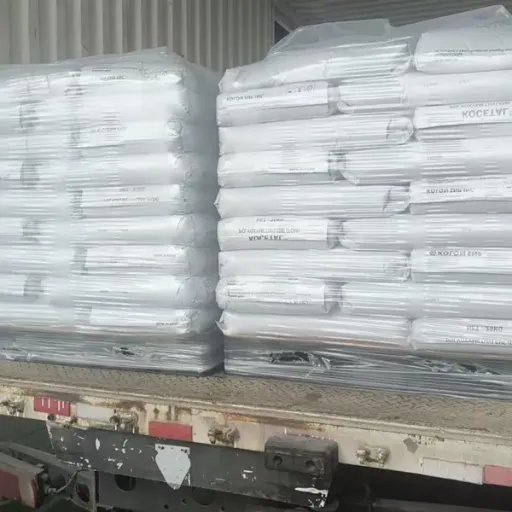 Read More
 -
PP vs PE: Which Polyolefin Resin Fits Your Application?
September 2, 2026A bottle manufacturer once chose HDPE for a hot-fill juice container and watched the bottles distort on the filling line. The mate Read More

Contact Us
Recommended Products
-
 Automotive Interior Clip and Door Lock POM K300 Injection Molding Material With Low FrictionNegotiableMOQ: 1 Kilogram
 -
KOCETAL POM K300 Virgin Pellets For Precision Gear Bearing Automotive Latch Water Valve PartsNegotiableMOQ: 1 Kilogram
-
Original Kolon POM K300 Engineering Plastic Wear Resistant Self Lubricating Acetal GranulesNegotiableMOQ: 1 Kilogram
-
Self-Lubricating POM K300 HDT 120°C Wear Resistant Resin With 0.2% Moisture AbsorptionNegotiableMOQ: 1 Kilogram
-
POM FM090AW PTFE Filled Wear Resistant Low Friction Acetal for Silent GearsNegotiableMOQ: 1 Kilogram
-
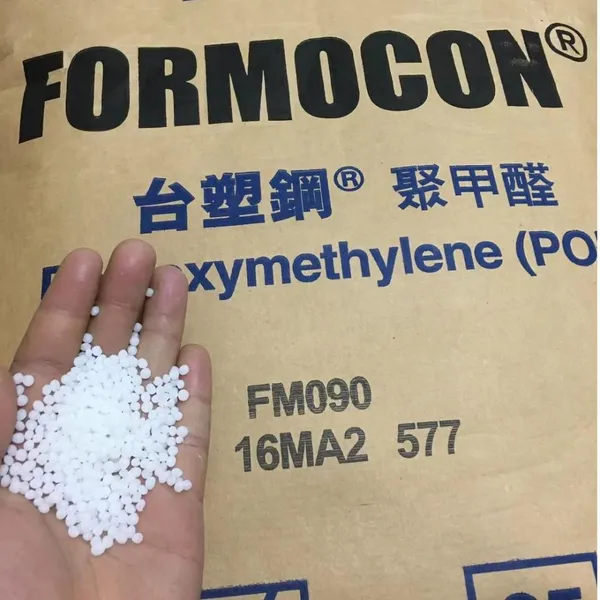
POM FM090 General Purpose Acetal Copolymer With Excellent MachinabilityNegotiableMOQ: 1 Kilogram
-
POM FM090 Standard Flow Acetal Copolymer Granules for Precision Injection MoldingNegotiableMOQ: 1 Kilogram
-
POM FM090 UV Stabilized Acetal Resin for Outdoor Automotive ComponentsNegotiableMOQ: 1 Kilogram
-
Technical Support Available POM K300 Acetal Copolymer for Precision Injection Molding ServiceNegotiableMOQ: 1 Kilogram
-
KOCETAL POM K300 Acetal Copolymer MFR 9 G/10min 1.41g/cm³ Tensile Strength 60MPaNegotiableMOQ: 1 Kilogram
-
Factory Price Polyacetal POM Resin FM090 for Engineering ApplicationsNegotiableMOQ: 1 Kilogram
-
High Strength Cheap POM FM090 UV Engineering Plastic for Automotive PartsNegotiableMOQ: 1 Kilogram
-
Virgin POM FM090 Granules Pellets Engineering Plastic Raw MaterialNegotiableMOQ: 1 Kilogram
-
POM K300 Plastic Granules 1.5% Shrinkage Rate 80 Shore D Hardness Stable Injection Molding PerformanceNegotiableMOQ: 1 Kilogram
-
Low Friction Coefficient High Dimensional Stability POM K300 Acetal Copolymer Injection Molding GradeNegotiableMOQ: 1 Kilogram

-
POM K300 Acetal Sheet Used for Automotive Gear Components and Conveyor Chains in Industrial MachineryNegotiableMOQ: 1 Kilogram
-
POM K300 Engineering Plastic Sheet With Melting Point 165°C and Excellent Wear Resistance for MachiningNegotiableMOQ: 1 Kilogram
-
POM K300 Acetal Copolymer Injection Molding Grade With Low Friction Coefficient and High Dimensional StabilityNegotiableMOQ: 1 Kilogram
-
POM K300 Polyoxymethylene Resin MFI 9 Engineering Plastic Granule for Injection MoldingNegotiableMOQ: 1 Kilogram
-
Virgin POM Granules Polyoxymethylene Pellets Manufacturer Direct Price for Injection MoldingNegotiableMOQ: 1 Kilogram