Business License

Engineering Plastic Material Selection: A Practical Guide for Manufacturers
Engineering plastic material selection starts with a clear match between your application's performance requirements and a certified resin grade's mechanical, thermal, and chemical properties. Choose the wrong grade, and you risk dimensional instability, premature wear, or processing defects. Choose the right one, and your part performs as specified across thousands of cycles.
What if the material you specify today becomes the production delay six months from now? That happened to Lin, a procurement manager at an electronics housings manufacturer, who approved a lower-cost ABS substitute without checking the supplier's authorization. The first production run looked fine.
Three months later, surface finish inconsistencies forced a tooling adjustment that cost more than the original resin savings. The problem was not the ABS grade itself; it was a mismatch between the supplier's documentation and the actual batch properties.
You already know that material selection matters. In this guide, you will learn a repeatable process for evaluating engineering plastics, comparing common resin categories, avoiding costly mistakes, and validating your choice before committing to a full production order. Whether you source POM, ABS, PC, nylon, or TPU, the framework here will help you make confident decisions.
Key Takeaways
Start engineering plastic material selection by defining mechanical load, temperature range, chemical exposure, and processing method before comparing resin names.
POM and nylon excel in wear-resistant mechanical parts; ABS and PC/ABS suit housings and interior components; PC and PMMA work for transparent applications.
Always request a technical data sheet (TDS) and certificate of analysis for every batch to verify properties and traceability.
Validate your chosen grade through prototype molding, environmental testing, and supplier qualification before scaling to production.
Authorized distributors reduce counterfeit risk and supply documentation that supports quality assurance and audit requirements.
Start with Application Requirements, Not Material Names
The most common mistake in engineering plastic material selection is opening a supplier catalog before defining the problem. A resin name tells you very little about whether it will survive in your application. Start with the operating environment and work backward to the material.
Begin by documenting these five factors:
Mechanical load: Will the part carry static weight, repeated impact, cyclic fatigue, or abrasive wear?
Operating temperature: What is the continuous service temperature, and will the part see short-term spikes?
Chemical exposure: Will it contact oils, solvents, fuels, cleaning agents, or moisture?
Electrical requirements: Does the application need insulation, flame retardancy, or specific dielectric properties?
Appearance and finish: Is surface gloss, color consistency, or transparency required?
For example, a gear under constant load and moderate heat needs very different properties than a transparent lighting lens exposed to outdoor UV. Once you document the requirements, you can map them to material properties instead of guessing based on familiar resin abbreviations.
When Chen, a product engineer at an automotive supplier, needed to replace a metal fuel-system component, he began by listing continuous service temperature, fuel contact, and vibration resistance. That requirement list pointed directly to POM rather than a cheaper general-purpose plastic that would have softened under hood temperatures. If you need help translating requirements into candidate grades, our technical support team can review your specification and recommend options.
Understand the Main Engineering Plastic Categories
Engineering plastics fall into three broad groups: engineering plastics for mechanical and structural performance, general plastics for cost-effective housings and packaging, and thermoplastic elastomers for flexible, rubber-like parts. Knowing where each material fits simplifies the selection process.
High-Performance Mechanical Plastics
POM (polyoxymethylene), also called acetal, delivers high stiffness, low friction, and excellent dimensional stability. It is widely used for precision gears, bearings, bushings, and automotive fuel-system components. If your application demands tight tolerances and low wear, explore our POM materials for authorized grades from leading global producers.
PA (polyamide), commonly known as nylon, offers high mechanical strength, fatigue resistance, and good wear properties. Nylon absorbs moisture, so dimensional stability in humid environments requires careful grade selection. Glass-filled nylon grades improve stiffness and reduce water absorption for under-hood and industrial applications. Explore nylon grades for wear parts and structural components.
PBT (polybutylene terephthalate) provides good electrical insulation, dimensional stability, and chemical resistance. It is a common choice for electrical connectors and automotive electronics housings.
General-Purpose and Housing Plastics
ABS (acrylonitrile butadiene styrene) combines impact strength, surface finish quality, and easy processing. It appears in appliance housings, consumer electronics enclosures, and automotive interior trim. Our ABS resin grades include options for high-gloss and color-matched applications.
PP (polypropylene) is lightweight, chemically resistant, and cost-effective. It suits packaging, appliance components, and automotive interiors where flexibility and chemical resistance matter more than rigidity.
Transparent and Specialty Plastics
PC (polycarbonate) offers outstanding impact strength and optical clarity. It is used in automotive lighting, safety equipment, and electronic displays. Polycarbonate materials are available in optical and general-purpose grades.
PMMA (polymethyl methacrylate), or acrylic, provides excellent optical clarity, UV resistance, and surface hardness for lighting lenses, displays, and signage.
PC/ABS blends combine the heat and impact resistance of PC with the processability and surface quality of ABS, making them popular for automotive interiors and electronic housings. See our PC/ABS blends for automotive and electronics applications.
Thermoplastic Elastomers
TPU (thermoplastic polyurethane) is flexible, abrasion-resistant, and tear-resistant. It works well for footwear, cable jackets, seals, and industrial hoses. Shore hardness and chemical resistance vary significantly by grade, so always match the specific TPU to the application. Our TPU materials cover a range of hardness and performance levels.
Compare the Properties That Matter
Once you know the application requirements and material categories, compare specific properties using the technical data sheet as your primary reference. Do not rely on marketing descriptions. The TDS gives you measurable values for comparison. Independent databases such as MatWeb and IDES publish searchable material property data that can supplement supplier TDS values.
Key properties to review include:
Tensile strength and flexural modulus: Indicate how the material resists pulling and bending forces.
Impact strength: Shows resistance to sudden loads, especially important for housings and safety parts.
Heat deflection temperature (HDT): Tells you how the material behaves under load at elevated temperatures.
Coefficient of thermal expansion: Critical for tight-tolerance assemblies that see temperature swings.
Chemical resistance: Verify compatibility with every fluid the part will contact.
Wear and friction properties: Essential for gears, bearings, and sliding components.
Moisture absorption: Affects nylon and other hygroscopic materials more than POM or ABS.
Flammability rating: Required for electrical and transportation applications.
A practical shortcut is to create a simple comparison table for your top two or three candidates. For instance, when a medical device manufacturer compared PC and PMMA for a transparent cover, PMMA won on optical clarity and scratch resistance, but PC won on impact strength and sterilization compatibility. The final choice depended on which property was non-negotiable for the end user.
Pro Tip: Always compare TDS values from the same test standard. A value reported under ISO conditions is not directly interchangeable with one reported under ASTM conditions.
If you need certified TDS documents for your evaluation, you can download technical data sheets for the grades we distribute.
Common Engineering Plastic Material Selection Mistakes
Even experienced engineers and buyers make selection errors. Recognizing the common pitfalls will save you from expensive redesigns or field failures.
Selecting on Price Alone
The lowest-cost resin is rarely the lowest-cost solution. A cheaper grade with poor batch consistency can create scrap, rework, and downtime that far exceed any material savings. Focus on total cost, not unit price.
Ignoring Processing Behavior
A material that performs well in testing may process poorly in your mold. Consider shrinkage, melt flow index, drying requirements, and gate design. For example, nylon must be properly dried before processing to avoid hydrolysis and reduced properties.
Overlooking Environmental Aging
UV exposure, moisture, and chemicals can degrade properties over time. A part that passes initial testing may fail after six months outdoors. Always test under realistic end-use conditions.
Copying a Competitor's Grade Without Validation
Just because a competitor uses a specific grade does not mean it is right for your tool, process, or supply chain. Material selection must match your specific design and manufacturing context.
Failing to Verify Supplier Authorization
Unauthorized channels increase the risk of counterfeit or off-spec material. Counterfeit resin may look identical but perform unpredictably. Always verify that your distributor sources through authorized channels and provides proper documentation. Ailide Polymer's authorized supplier network includes DuPont, Polyplastics, Chi Mei, Formosa Plastics, LCY Chemical, Asahi Kasei, Bayer, and BASF.
How to Validate Your Engineering Plastic Material Selection
Selection is only the first step. Validation proves that the material performs in your real-world application before you commit to high-volume production.
Step 1: Request Samples and TDS Documents
Order trial material and compare the certificate of analysis against the TDS. Confirm that key properties such as melt flow index, tensile strength, and heat deflection temperature fall within the specified range. If you need trial batches, you can order samples for material validation.
Step 2: Run Prototype Molding
Mold prototype parts using your actual tool geometry and processing parameters. Measure dimensions, surface finish, and gate appearance. This step often reveals issues that lab data cannot predict.
Step 3: Conduct Application Testing
Subject prototype parts to the full operating environment: temperature cycling, chemical exposure, mechanical loading, and UV aging if applicable. Define pass/fail criteria before testing begins.
Step 4: Qualify the Supplier
Confirm the supplier's authorization, quality system, batch traceability, and delivery capability. Review documentation practices and ask for references from customers in similar industries. Our quality assurance process supports batch traceability and documentation for every lot we supply.
When Wu, an industrial machinery buyer, followed this four-step validation process for a nylon bushing, he discovered that a standard unfilled grade deformed under continuous load. Switching to a glass-filled PA66 before tooling release avoided a costly tooling modification and a six-week schedule delay.
Why Authorized Sourcing Protects Your Selection
You can select the perfect material and still fail if the resin that arrives at your plant does not match the specification. Authorized distribution is the final safeguard in engineering plastic material selection.
Authorized distributors purchase directly from resin producers and maintain chain-of-custody documentation. This protects you from:
Counterfeit or blended material sold under a reputable brand name.
Off-spec resin that bypassed the producer's quality controls.
Missing or inconsistent documentation that complicates audits.
Unpredictable supply that disrupts production schedules.
Ailide Polymer sources engineering plastics through authorized channels and supplies every batch with the appropriate technical data sheet and certificate of analysis. We also provide nationwide distribution across China and export documentation support for international customers.
If you have narrowed your engineering plastic material selection to one or two candidate grades, the next step is to request a quote and verify availability. Request a quote for certified POM, ABS, PC, PA, TPU, PBT, PMMA, PC/ABS, or modified plastics today.
Frequently Asked Questions
What is the first step in engineering plastic material selection?
Start by documenting your application's requirements: mechanical load, operating temperature, chemical exposure, electrical needs, and appearance. Only after you understand these requirements should you compare specific resin grades.
Which engineering plastic is best for gears?
POM and nylon are both common choices for gears. POM offers lower friction and better dimensional stability. Nylon provides higher toughness and fatigue resistance, though it absorbs moisture. The best choice depends on load, speed, temperature, and humidity.
How do I avoid counterfeit engineering plastics?
Source through authorized distributors who purchase directly from resin producers and provide batch documentation, including technical data sheets and certificates of analysis. Verify the distributor's authorization with the material producer if necessary.
What documents should I request when buying engineering plastics?
Request a technical data sheet (TDS), certificate of analysis (COA) for the specific batch, material safety data sheet (MSDS/SDS), and any regulatory compliance certificates required for your application.
Can I use a cheaper grade if it meets some of the requirements?
A cheaper grade is only a bargain if it meets all critical requirements consistently. Saving on material while sacrificing batch consistency, processing behavior, or long-term durability usually increases total cost through scrap, rework, and warranty risk.
How do I validate a material before production?
Run prototype molding with your actual tool and process, then test parts under real operating conditions. Confirm that the supplier is authorized and that batch documentation matches the TDS before placing a production order.
Conclusion
Engineering plastic material selection is not about memorizing resin abbreviations. It is about translating application requirements into measurable material properties, then validating those properties through testing and authorized sourcing.
The key steps are simple: define the application, compare material categories, review technical data sheets, avoid common selection mistakes, validate with prototypes, and source through authorized channels. Following this process reduces the risk of field failures, production delays, and unexpected costs.
If you are ready to source certified engineering plastics with full documentation and technical support, contact us to discuss your application. Ailide Polymer distributes POM, PP, ABS, TPU, PBT, PC, PMMA, PC/ABS, nylon, and modified plastics nationwide, with the documentation and traceability your quality team expects.
Recently Posted
-
ABS in Automotive Interiors: From Dashboards to Door Panels
September 2, 2026A tier-two supplier once substituted a general-purpose ABS for an automotive-grade ABS on a door trim component to save 4% on resi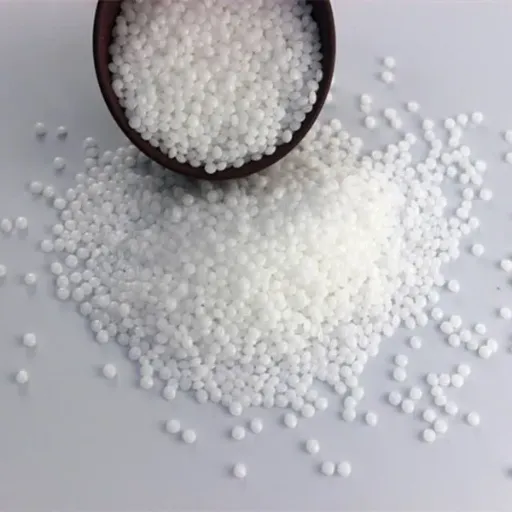 Read More
 -
ABS Flame Retardant Grades and UL 94 Ratings Explained: A Practical Guide for Buyers and Designers
September 2, 2026An electronics manufacturer once submitted a power-supply housing molded from standard ABS to a safety certification test. The mat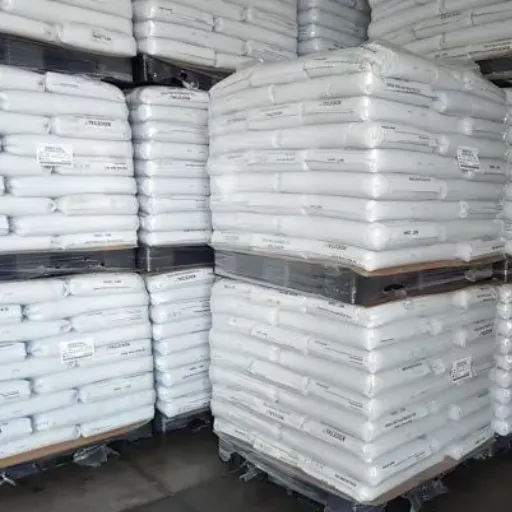 Read More
 -
KOCETAL K300 vs Formosa FM090 vs DURACON M90: Picking the Right Medium-Viscosity POM
September 2, 2026A gear shop in India once ordered a container of acetal copolymer based on a 5% price discount, without checking whether the grade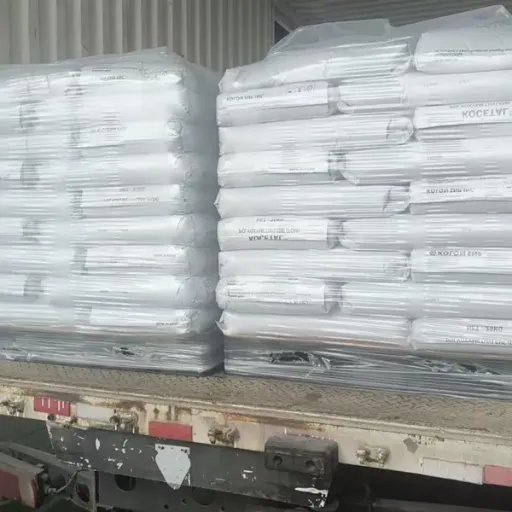 Read More
 -
PP vs PE: Which Polyolefin Resin Fits Your Application?
September 2, 2026A bottle manufacturer once chose HDPE for a hot-fill juice container and watched the bottles distort on the filling line. The mate Read More

Contact Us
Recommended Products
-
 Automotive Interior Clip and Door Lock POM K300 Injection Molding Material With Low FrictionNegotiableMOQ: 1 Kilogram
 -
KOCETAL POM K300 Virgin Pellets For Precision Gear Bearing Automotive Latch Water Valve PartsNegotiableMOQ: 1 Kilogram
-
Original Kolon POM K300 Engineering Plastic Wear Resistant Self Lubricating Acetal GranulesNegotiableMOQ: 1 Kilogram
-
Self-Lubricating POM K300 HDT 120°C Wear Resistant Resin With 0.2% Moisture AbsorptionNegotiableMOQ: 1 Kilogram
-
POM FM090AW PTFE Filled Wear Resistant Low Friction Acetal for Silent GearsNegotiableMOQ: 1 Kilogram
-
POM FM090 General Purpose Acetal Copolymer With Excellent MachinabilityNegotiableMOQ: 1 Kilogram
-
POM FM090 Standard Flow Acetal Copolymer Granules for Precision Injection MoldingNegotiableMOQ: 1 Kilogram
-
POM FM090 UV Stabilized Acetal Resin for Outdoor Automotive ComponentsNegotiableMOQ: 1 Kilogram
-
Technical Support Available POM K300 Acetal Copolymer for Precision Injection Molding ServiceNegotiableMOQ: 1 Kilogram
-
KOCETAL POM K300 Acetal Copolymer MFR 9 G/10min 1.41g/cm³ Tensile Strength 60MPaNegotiableMOQ: 1 Kilogram
-
Factory Price Polyacetal POM Resin FM090 for Engineering ApplicationsNegotiableMOQ: 1 Kilogram
-
High Strength Cheap POM FM090 UV Engineering Plastic for Automotive PartsNegotiableMOQ: 1 Kilogram
-
Virgin POM FM090 Granules Pellets Engineering Plastic Raw MaterialNegotiableMOQ: 1 Kilogram
-
POM K300 Plastic Granules 1.5% Shrinkage Rate 80 Shore D Hardness Stable Injection Molding PerformanceNegotiableMOQ: 1 Kilogram
-
Low Friction Coefficient High Dimensional Stability POM K300 Acetal Copolymer Injection Molding GradeNegotiableMOQ: 1 Kilogram

-
POM K300 Acetal Sheet Used for Automotive Gear Components and Conveyor Chains in Industrial MachineryNegotiableMOQ: 1 Kilogram
-
POM K300 Engineering Plastic Sheet With Melting Point 165°C and Excellent Wear Resistance for MachiningNegotiableMOQ: 1 Kilogram
-
POM K300 Acetal Copolymer Injection Molding Grade With Low Friction Coefficient and High Dimensional StabilityNegotiableMOQ: 1 Kilogram
-
POM K300 Polyoxymethylene Resin MFI 9 Engineering Plastic Granule for Injection MoldingNegotiableMOQ: 1 Kilogram
-
Virgin POM Granules Polyoxymethylene Pellets Manufacturer Direct Price for Injection MoldingNegotiableMOQ: 1 Kilogram