Business License

Engineering Plastics Market Overview 2026: Trends, Demand, and What Buyers Should Know
The global engineering plastics market continues to expand in 2026, driven by automotive electrification, electronics miniaturization, medical device growth, and the push for lighter industrial components. Asia-Pacific remains the largest consuming region, China leads global production and demand, and sustainability pressures are reshaping both material choices and supplier relationships.
Chen Wei, a procurement director at a Suzhou automotive supplier, noticed the shift clearly during the first quarter. A key PC/ABS grade he had bought for three years was suddenly on allocation. His usual trader offered no timeline. An authorized distributor explained that automakers were absorbing more flame-retardant grades for battery housings and charging systems. The shortage was not random; it was the market telling buyers which applications were growing fastest.
In this engineering plastics market overview, we break down the major demand drivers, regional dynamics, application trends, and sourcing implications for 2026.
Key Takeaways
Global engineering plastics demand is growing steadily in 2026, led by automotive, electronics, medical, and industrial sectors.
Asia-Pacific, and especially China, remains the largest production and consumption hub.
Electrification, lightweighting, and miniaturization are the strongest application-level demand drivers.
Sustainability regulations and recycled-content programs are influencing both grade selection and supplier qualifications.
Supply chain consolidation favors authorized distributors with stable supplier relationships and full documentation.
What Is Driving Engineering Plastics Demand in 2026
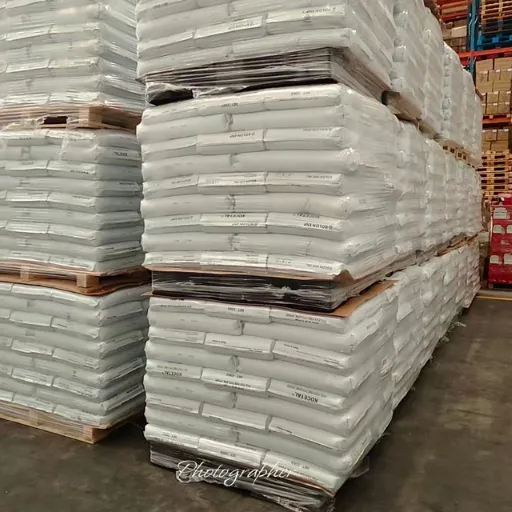
Several long-term trends are converging to lift demand across the engineering plastics market. Unlike commodity plastics, which track packaging and construction cycles closely, engineering plastics move with higher-value manufacturing sectors.
Automotive Electrification
Electric vehicles use engineering plastics in battery housings, thermal management modules, connectors, and lightweight structural parts. Each battery pack requires flame-retardant, thermally stable housings, often made from PC/ABS, PBT, or polyamide grades. Charging infrastructure adds demand for weather-resistant housings and cable components.
As EV adoption rises, producers are allocating more capacity to automotive-qualified grades. Buyers outside the automotive sector sometimes face tighter availability for the same materials.
Electronics and Electrical Miniaturization
Smaller devices need materials that combine dimensional stability, heat resistance, and electrical insulation. PBT dominates connector applications. PC and PMMA serve lenses and displays. Modified nylons and PPS appear in high-density circuit boards and power modules.
Consumer electronics demand can be seasonal, with stronger activity ahead of year-end product launches. Industrial electronics tend to be steadier but more sensitive to certification and traceability.
Medical Device Growth
Engineering plastics are replacing metal and glass in disposable and reusable medical devices. POM, PC, and PEEK grades certified for biocompatibility are seeing above-average growth. Sterilization resistance, chemical compatibility, and regulatory documentation are non-negotiable in this segment.
Industrial Lightweighting
Manufacturers of machinery, robotics, and material-handling equipment are substituting metal with high-performance polymers to reduce weight and corrosion risk. Nylon and POM remain the workhorses, while PEEK and PPS grow in harsh environments.
Want to see how these trends affect the grades you buy? Browse our engineering plastics portfolio for automotive, electronics, and industrial grades.
Regional Market Dynamics
China and Asia-Pacific
China is both the largest consumer and one of the largest producers of engineering plastics. Domestic demand comes from automotive, appliances, electronics, and industrial machinery. Local producers have expanded capacity for ABS, POM, PBT, and nylon, while high-performance grades still rely heavily on imports from Europe, Japan, and the United States.
For international buyers, China offers competitive pricing and scale but requires careful supplier verification. Authorized distributors bridge the gap by providing globally certified materials with local logistics and documentation.
North America
The United States and Mexico benefit from automotive and medical device manufacturing nearshoring. Demand for flame-retardant and high-heat grades is strong. Supply chains have shifted toward more regional inventory holding since recent disruptions.
Europe
Europe leads in sustainability regulation and circular-economy initiatives. Recycled-content engineering plastics and bio-based alternatives receive more attention here than in other regions. Automotive and industrial applications remain the largest demand segments.
Rest of World
Southeast Asia, India, and parts of Latin America are growing demand centers as electronics and automotive manufacturing expand. These regions often import specialized grades while developing local compounding capabilities.
Engineering Plastics Market by Application
Understanding where materials are consumed helps buyers anticipate price and availability trends.
| Application | Key Materials | Growth Driver |
|---|---|---|
| Automotive | PC/ABS, PBT, PA, POM | EVs, lightweighting, thermal management |
| Electronics | PBT, PC, PMMA, PPS | Miniaturization, 5G, connectors |
| Medical | POM, PC, PEEK | Device growth, sterilization demands |
| Industrial | PA, POM, PEEK, PPS | Machinery, robotics, harsh environments |
| Appliances | ABS, PP, PC/ABS | Surface finish, cost, color consistency |
| Aerospace | PEEK, PPS, PI | Weight reduction, high heat, chemical resistance |
Automotive and electronics together account for the majority of engineering plastics consumption. Industrial and medical are smaller in volume but higher in value per kilogram.
Material-Specific Trends

POM and Acetal
POM demand remains solid for precision gears, bearings, and fuel-system components. Homopolymer grades from DuPont and copolymer grades from Polyplastics and KOCETAL lead the market. Automotive electrification is creating new opportunities in thermal management and actuator systems.
ABS and PC/ABS
ABS demand is mature in appliances and consumer goods but growing in automotive interiors and electronics housings. PC/ABS blends are in high demand for EV battery housings and charging stations because they combine impact resistance with flame retardancy.
Nylon (PA6 and PA66)
Nylon is seeing strong demand in automotive under-hood parts, electrical connectors, and industrial wear components. PA66 supply has historically been tighter than PA6 due to adipic acid and caprolactam dynamics. Glass-filled and flame-retardant grades command premiums.
PBT
PBT benefits from connector and automotive electronics growth. Low-moisture uptake makes it attractive for humid environments where nylon swells. Halogen-free flame-retardant grades are gaining share.
Polycarbonate
PC demand is supported by automotive lighting, electronics, and medical devices. Optical-grade PC remains important for lenses and displays. Sustainability initiatives are pushing interest in recycled-content PC.
TPU and Thermoplastic Elastomers
TPU growth is driven by footwear, cables, seals, and medical tubing. Soft-touch surfaces in consumer electronics and automotive interiors also consume significant volumes.
High-Performance Polymers
PEEK, PPS, and polyimide remain niche by volume but critical for aerospace, oil and gas, medical, and semiconductor applications. Prices are high, but substitution from metal or ceramics can justify the cost.
Pricing and Supply Outlook for 2026
Wang Li, a buyer at a Guangdong electronics factory, watched PBT prices climb 8% in the first half of the year. Her supplier blamed benzene-based feedstock costs and stronger automotive demand. She responded by locking a six-month contract for connector-grade PBT and qualifying a second source through an authorized distributor.
Several factors are shaping engineering plastics pricing this year:
Feedstock volatility: Crude oil, natural gas, and benzene derivatives influence base resin costs.
Automotive allocation: High-heat and flame-retardant grades face tighter supply as EV production scales.
Logistics and inventory: Buyers are carrying slightly more safety stock after recent supply disruptions.
Sustainability premiums: Recycled and bio-based grades can cost 10–30% more than virgin alternatives.
Currency effects: A stronger or weaker dollar affects import costs for buyers sourcing across regions.
The best strategy for buyers is to combine forecasted annual agreements with flexible spot coverage and qualified secondary sources.
Sustainability and Circular Economy Trends
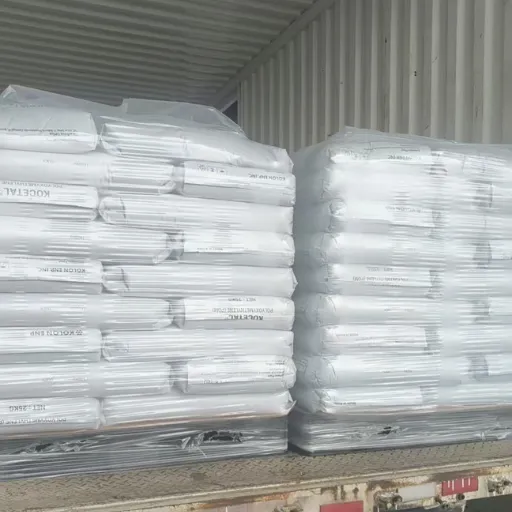
Sustainability is no longer a niche concern in the engineering plastics market. Automotive OEMs and electronics brands are setting recycled-content targets. Regulators in Europe and parts of Asia are tightening extended producer responsibility rules.
Key developments include:
Recycled engineering plastics: Post-industrial recycled POM, PC, and nylon are increasingly available. Post-consumer recycled options are still limited for high-performance grades.
Bio-based feedstocks: Some producers offer partially bio-based PA and PC grades, though volumes remain small.
Design for recycling: Manufacturers are selecting mono-material designs and avoiding incompatible additives to improve end-of-life recyclability.
Documentation demands: Buyers need certificates of analysis, origin documentation, and traceability data to prove sustainability claims.
Suppliers who can provide consistent quality documentation and recycled-content verification are gaining preference over low-price traders.
What This Means for Buyers and Sourcing Teams
The engineering plastics market overview for 2026 points to one clear conclusion: reliable supply matters as much as price. Buyers who treat engineering plastics as a commodity risk allocations, off-spec batches, and production delays.
Practical steps for sourcing teams include:
Qualify multiple grades. A near-grade substitution approved by engineering can reduce single-source risk.
Lock annual agreements for predictable volumes, with quarterly price reviews for feedstock adjustments.
Work with authorized distributors who can provide batch documentation and technical support.
Plan for sustainability requirements by asking suppliers about recycled-content options and certification.
Monitor regional dynamics because Asia-Pacific supply conditions increasingly affect global availability.
Need help navigating the 2026 market? Contact our team for material recommendations, availability updates, and competitive quotes.
Frequently Asked Questions
What is the current size of the engineering plastics market?
The global engineering plastics market is valued in the tens of billions of dollars and continues to grow at a mid-single-digit annual rate. Exact figures vary by definition and material scope, but automotive, electronics, and industrial applications dominate consumption.
Which region consumes the most engineering plastics?
Asia-Pacific consumes the largest share, with China alone accounting for a significant portion of global demand and production. North America and Europe follow, with Europe leading in sustainability-focused material development.
What are the fastest-growing engineering plastics applications?
Electric vehicle battery housings, charging infrastructure, 5G connectors, medical devices, and lightweight industrial components are among the fastest-growing applications in 2026.
Why are some engineering plastics on allocation?
Allocation usually results from a combination of strong automotive or electronics demand, limited feedstock availability, and producer prioritization of higher-margin or long-term contract customers.
Are recycled engineering plastics widely available?
Post-industrial recycled grades are increasingly available for materials such as PC, nylon, and POM. Post-consumer and high-performance recycled options are more limited and often require custom qualification.
How should buyers prepare for engineering plastics price volatility?
Buyers should lock annual agreements for core volumes, maintain qualified secondary sources, work with authorized distributors, and monitor feedstock and regional demand indicators.
Conclusion
The 2026 engineering plastics market overview shows a sector shaped by electrification, miniaturization, medical growth, and sustainability. Asia-Pacific remains the demand center, while automotive and electronics drive the strongest material growth. Pricing and availability will continue to reflect feedstock costs, regional allocation, and certification requirements.
For procurement and engineering teams, success in this market means planning beyond the spot price. Reliable supply, technical documentation, and qualified distributor relationships are the best hedge against volatility.
Ready to secure your engineering plastics supply for 2026? Request a quote from Ailide Polymer for certified grades, technical support, and batch-traceable materials from globally trusted suppliers.
Recently Posted
-
ABS in Automotive Interiors: From Dashboards to Door Panels
September 2, 2026A tier-two supplier once substituted a general-purpose ABS for an automotive-grade ABS on a door trim component to save 4% on resi Read More
 -
ABS Flame Retardant Grades and UL 94 Ratings Explained: A Practical Guide for Buyers and Designers
September 2, 2026An electronics manufacturer once submitted a power-supply housing molded from standard ABS to a safety certification test. The mat Read More
 -
KOCETAL K300 vs Formosa FM090 vs DURACON M90: Picking the Right Medium-Viscosity POM
September 2, 2026A gear shop in India once ordered a container of acetal copolymer based on a 5% price discount, without checking whether the grade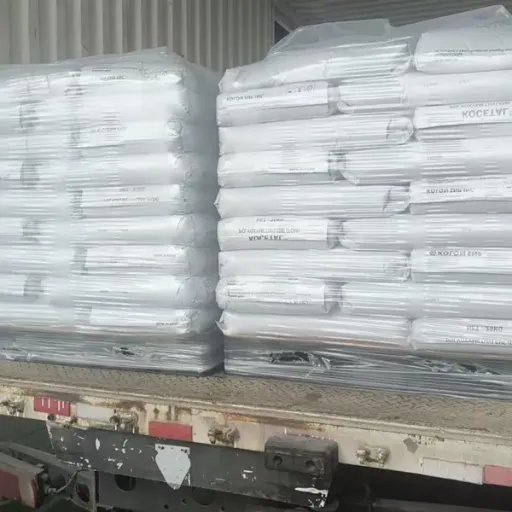 Read More
 -
PP vs PE: Which Polyolefin Resin Fits Your Application?
September 2, 2026A bottle manufacturer once chose HDPE for a hot-fill juice container and watched the bottles distort on the filling line. The mate Read More

Contact Us
Recommended Products
-
 Automotive Interior Clip and Door Lock POM K300 Injection Molding Material With Low FrictionNegotiableMOQ: 1 Kilogram
 -
KOCETAL POM K300 Virgin Pellets For Precision Gear Bearing Automotive Latch Water Valve PartsNegotiableMOQ: 1 Kilogram
-
Original Kolon POM K300 Engineering Plastic Wear Resistant Self Lubricating Acetal GranulesNegotiableMOQ: 1 Kilogram
-
Self-Lubricating POM K300 HDT 120°C Wear Resistant Resin With 0.2% Moisture AbsorptionNegotiableMOQ: 1 Kilogram
-
POM FM090AW PTFE Filled Wear Resistant Low Friction Acetal for Silent GearsNegotiableMOQ: 1 Kilogram
-
POM FM090 General Purpose Acetal Copolymer With Excellent MachinabilityNegotiableMOQ: 1 Kilogram
-
POM FM090 Standard Flow Acetal Copolymer Granules for Precision Injection MoldingNegotiableMOQ: 1 Kilogram
-
POM FM090 UV Stabilized Acetal Resin for Outdoor Automotive ComponentsNegotiableMOQ: 1 Kilogram
-
Technical Support Available POM K300 Acetal Copolymer for Precision Injection Molding ServiceNegotiableMOQ: 1 Kilogram
-
KOCETAL POM K300 Acetal Copolymer MFR 9 G/10min 1.41g/cm³ Tensile Strength 60MPaNegotiableMOQ: 1 Kilogram


-
Factory Price Polyacetal POM Resin FM090 for Engineering ApplicationsNegotiableMOQ: 1 Kilogram
-
High Strength Cheap POM FM090 UV Engineering Plastic for Automotive PartsNegotiableMOQ: 1 Kilogram
-
Virgin POM FM090 Granules Pellets Engineering Plastic Raw MaterialNegotiableMOQ: 1 Kilogram
-
POM K300 Plastic Granules 1.5% Shrinkage Rate 80 Shore D Hardness Stable Injection Molding PerformanceNegotiableMOQ: 1 Kilogram
-
Low Friction Coefficient High Dimensional Stability POM K300 Acetal Copolymer Injection Molding GradeNegotiableMOQ: 1 Kilogram


-
POM K300 Acetal Sheet Used for Automotive Gear Components and Conveyor Chains in Industrial MachineryNegotiableMOQ: 1 Kilogram
-
POM K300 Engineering Plastic Sheet With Melting Point 165°C and Excellent Wear Resistance for MachiningNegotiableMOQ: 1 Kilogram
-
POM K300 Acetal Copolymer Injection Molding Grade With Low Friction Coefficient and High Dimensional StabilityNegotiableMOQ: 1 Kilogram
-
POM K300 Polyoxymethylene Resin MFI 9 Engineering Plastic Granule for Injection MoldingNegotiableMOQ: 1 Kilogram
-
Virgin POM Granules Polyoxymethylene Pellets Manufacturer Direct Price for Injection MoldingNegotiableMOQ: 1 Kilogram