Business License

POM for Gears and Bearings: Selection & Design Guide
POM for gears and bearings is the first material worth evaluating for most injection-molded designs. POM (polyoxymethylene) combines low friction, high wear resistance, and excellent dimensional stability. Nylon is the main alternative when impact toughness or higher temperature resistance matters more. This guide explains how to choose between them and how to select the right POM grade for your application.
When a gear strips or a bushing seizes in the field, the cost goes far beyond the part itself. Warranty claims, line stoppages, and redesign work add up fast. If you manufacture precision mechanical components, you already know that material choice is where reliability starts.
In this guide, you will learn why POM performs so well in gears and bearings, how homopolymer and copolymer grades differ, how POM compares with nylon for wear parts, and which design and processing rules help you get the most from the material.
Key Takeaways
POM delivers a low coefficient of friction (typically 0.2 to 0.35 against steel) plus excellent fatigue and wear resistance, making it a default choice for molded gears and bearings.
Copolymer POM offers better chemical and hot-water resistance; homopolymer POM offers slightly higher strength and stiffness.
POM absorbs under 1% moisture in typical service, so it holds tolerances far better than nylon in humid environments.
Stay within published PV (pressure-velocity) limits and design in proper backlash to avoid overheating and premature wear.
Lubricated and PTFE-modified POM grades extend service life in dry-running, high-cycle applications.
What Is POM Material?
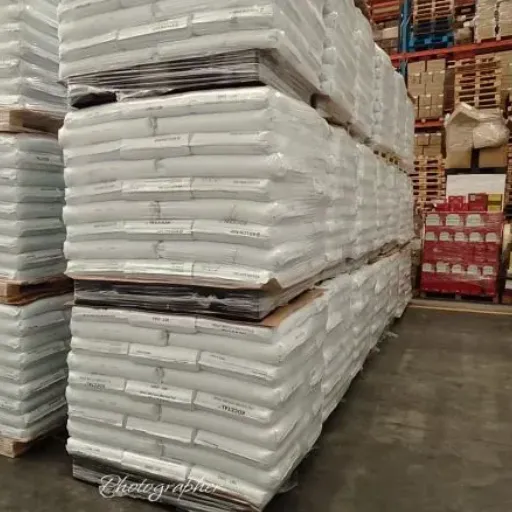
POM (polyoxymethylene), also known as acetal or polyacetal, is a high-crystallinity engineering thermoplastic valued for its stiffness, low friction, and outstanding dimensional stability. It is produced in two forms: homopolymer (such as DuPont Delrin) and copolymer (such as Polyplastics Duracon, KOCETAL, and Formosa FM090).
Because it combines metal-like rigidity with self-lubricating behavior, POM has become the standard material for precision gears, bearings, bushings, rollers, and sliding components across automotive, appliance, and industrial equipment. For a broader overview of specifications, see our POM material selection guide.
Why POM Excels in Gear and Bearing Applications
Several properties make POM for gears and bearings a reliable first choice among low friction plastics.
Low Friction and Self-Lubrication
Unmodified POM has a coefficient of friction around 0.2 to 0.35 against polished steel, and the value is similar against POM itself. This means gears and bushings can often run without external grease, which simplifies assembly and eliminates a maintenance step.
High Wear and Fatigue Resistance
Gear teeth flex millions of times over their service life. POM resists both abrasive wear and repeated cyclic loading, so tooth profiles hold their shape and bushings resist ovalization. According to material data on Omnexus (SpecialChem), acetal resins are specifically recommended for continuously loaded sliding and rotating parts for this reason.
Dimensional Stability in Humid Conditions
POM absorbs roughly 0.2% to 0.9% moisture at equilibrium, depending on grade and conditions. Nylon 6, by comparison, can absorb several percent. For a gear machined or molded to tight tolerances, that difference decides whether the part stays in spec through a humid summer.
Strength and Stiffness
Standard POM grades offer tensile strength around 60 to 70 MPa and a flexural modulus near 2,500 to 3,000 MPa. That is enough for most small and medium power-transmission gears without fiber reinforcement, which keeps friction low and processing simple.
Choosing the Right POM Grade for Gears and Bearings
Not all acetal is equal. Grade selection should follow the load, environment, and regulatory requirements of the application.
Homopolymer vs. Copolymer
Homopolymer (Delrin-type): About 10% to 15% higher tensile strength, stiffness, and fatigue resistance. Best for high-load gears where mechanical performance is the priority.
Copolymer (Duracon, KOCETAL, Formosa-type): Better resistance to hot water, alkaline cleaners, and long-term thermal aging. Best for appliance, food-contact, and pump components.
Standard vs. Lubricated Grades
Standard injection grades (for example KOCETAL K300, Formosa FM090, Duracon M90): General-purpose gears, rollers, and housings.
Lubricated grades (silicone or oil-modified): Lower breakaway friction for dry-running bushings and sliding rails.
PTFE-modified grades: The lowest wear rates in high-cycle, unlubricated service such as instrument gears and conveyor components.
Glass-fiber reinforced grades: Higher stiffness for structural parts, though usually avoided for gear teeth because the fibers raise friction and wear on mating parts.
When Daniel, a design engineer at a power-tool manufacturer in Suzhou, specified a standard copolymer POM for a planetary gear set, his prototype passed bench testing. The trouble started in endurance runs at 8,000 cycles per day, where the teeth wore quickly. Switching to a PTFE-modified POM grade reduced measured tooth wear by more than half. The design passed its 500-hour durability target without any tooling changes.
Need a specific grade? Browse our POM materials from Polyplastics, KOCETAL, and Formosa, and download the technical data sheet for every lot.
POM vs. Nylon for Gears, Bushings, and Wear Parts
POM for gears and bearings is not always the winner. Nylon earns its place when impact and heat dominate. Here is how the two compare on the properties that matter most.
| Property | POM (Acetal) | Nylon 6 / PA66 |
|---|---|---|
| Coefficient of friction vs. steel | 0.2 - 0.35 | 0.25 - 0.4 |
| Moisture absorption (equilibrium, 23 °C, 50% RH) | ~0.2% | 1.5% - 2.5% |
| Tensile strength | 60 - 70 MPa | 70 - 85 MPa (dry) |
| Continuous use temperature | ~100 °C | 80 - 120 °C (grade dependent) |
| Dimensional stability | Excellent | Moderate (swells with moisture) |
| Impact toughness | Good | Excellent |
| Fatigue resistance | Excellent | Good |
| Machinability | Excellent | Good |
Choose POM when tolerances are tight, the environment is humid or wet, and quiet, low-friction running is required. Choose nylon (especially cast nylon or toughened PA66) when the part faces shock loads, larger section sizes, or continuous temperatures above 100 °C. For a deeper dive, read our full nylon vs POM comparison for wear parts, use the side-by-side POM vs nylon comparison page, or review the nylon grades we supply.
Not sure which material fits your load case? Our technical support team reviews torque, speed, and temperature requirements and recommends a grade before you commit to tooling.
Design and Processing Guidelines for POM Gears and Bearings
Even the right grade fails early if the design ignores how POM behaves. These rules come up repeatedly in successful projects.
Respect PV Limits
Every bearing material has a pressure-velocity (PV) limit. This is the product of contact pressure and sliding speed beyond which frictional heat causes rapid wear or melting. For unlubricated POM against steel, a commonly cited continuous PV limit is around 0.1 to 0.3 MPa-m/s depending on grade and finish. Lubricated and PTFE-modified grades run higher. Check the supplier's POM material data sheet and published values on resources like MatWeb rather than assuming a generic number.
Design in Backlash and Clearance
Plastic gears need more backlash than metal gears because POM expands with heat and absorbs small amounts of moisture. A common starting point is 0.04 to 0.06 mm of backlash per 25 mm of center distance, then validate by testing. Bearings need a running clearance that accounts for thermal expansion of both shaft and housing.
Avoid Stress Concentrations
Use generous root radii on gear teeth and avoid sharp corners on keyways and press-fit features. POM is notch-sensitive relative to nylon, and sharp features become fatigue crack origins under cyclic load.
Process Correctly
Drying: POM needs only light drying (typically 80 °C for 2 to 3 hours) because of its low moisture uptake, but skipping it entirely can still cause surface defects on humid days.
Melt temperature: Stay within the supplier's recommended range (usually 190 to 210 °C for copolymer). Overheating releases formaldehyde and degrades mechanical properties.
Shrinkage: Plan for roughly 1.8% to 2.5% mold shrinkage and hold the mold temperature steady for consistent dimensions across cavities.
Maria, a quality manager at an appliance factory in Guangdong, traced a batch of noisy washing-machine gears back to a molder who had raised melt temperature to fix short shots. The degraded POM lost fatigue strength, and teeth began to pit within weeks.
After switching back to the specified 200 °C process window with properly dried resin from a documented batch, field noise complaints dropped to zero the following quarter. Consistent, traceable material matters as much as the grade on the drawing. That is why every lot we ship includes documentation through our quality assurance program.
Common Applications of POM Gears and Bearings
You will find POM for gears and bearings in products most people use daily:
Automotive: window regulator gears, seat-belt components, fuel-system valves, wiper linkages
Appliances: washing machine transmissions, dishwasher pump impellers, ice-maker gears
Industrial equipment: conveyor rollers, chain guides, metering gears, and valve seats for industrial plastics applications
Consumer products: printer and copier gears, zippers, toy drivetrains, garden tool mechanisms
Fluid handling: pump vanes, check-valve components, and water-meter gears (copolymer grades for hot-water resistance)
Industry coverage in publications such as Plastics Technology continues to show acetal holding its position as the workhorse resin for small precision gears, even as specialty polymers take over the highest-temperature niches.
Frequently Asked Questions
Is POM the same as acetal?
Yes. POM (polyoxymethylene) is the chemical name; acetal is the common industry name for the same family of resins. Delrin is DuPont's trade name for homopolymer POM, while copolymer POM is sold under names like Duracon, KOCETAL, and Hostaform. In other words, the Delrin vs POM comparison is really a brand-versus-family comparison.
Can POM gears run without lubrication?
In many cases, yes. POM's low friction and self-lubricating surface allow dry running in lightly to moderately loaded gears and bushings. For high speeds or loads, initial greasing or a lubricated grade extends service life significantly.
How long do POM gears last?
Service life depends on load, speed, temperature, and mating material. Properly designed POM gears in appliances and automotive actuators routinely exceed millions of cycles. Validate with endurance testing under your actual PV conditions rather than relying on generic life estimates.
Is POM better than nylon for underwater gears?
Usually, yes. POM absorbs far less water than nylon, so it keeps its dimensions and strength in wet or submerged service. Copolymer POM is the preferred choice for hot-water exposure such as pump and valve components.
What temperatures can POM gears handle?
Standard POM grades serve continuously up to about 100 °C. Above that, consider nylon PA66, PPA, or other high-temperature engineering plastics, and confirm against the grade's technical data sheet.
Conclusion
POM for gears and bearings earns its reputation through a practical combination of properties: low friction, strong wear and fatigue resistance, and dimensional stability that survives humidity and temperature swings. To apply it well:
Start with copolymer or homopolymer based on environment versus raw strength.
Consider lubricated or PTFE-modified grades for dry-running, high-cycle parts.
Respect PV limits, backlash rules, and processing windows.
Choose nylon instead when impact toughness or temperatures above 100 °C dominate.
Source traceable, documented material so batch quality never becomes your failure mode.
As a China-based POM supplier, Ailide Polymer distributes certified POM grades from Polyplastics, KOCETAL, Formosa, and other globally recognized producers, with technical data sheets and batch documentation for every order. Whether you need a trial batch for prototyping or a scheduled production supply, our team can help you match the right grade to your gear or bearing application.
Recently Posted
-
ABS in Automotive Interiors: From Dashboards to Door Panels
September 2, 2026A tier-two supplier once substituted a general-purpose ABS for an automotive-grade ABS on a door trim component to save 4% on resi Read More
 -
ABS Flame Retardant Grades and UL 94 Ratings Explained: A Practical Guide for Buyers and Designers
September 2, 2026An electronics manufacturer once submitted a power-supply housing molded from standard ABS to a safety certification test. The mat Read More
 -
KOCETAL K300 vs Formosa FM090 vs DURACON M90: Picking the Right Medium-Viscosity POM
September 2, 2026A gear shop in India once ordered a container of acetal copolymer based on a 5% price discount, without checking whether the grade Read More
 -
PP vs PE: Which Polyolefin Resin Fits Your Application?
September 2, 2026A bottle manufacturer once chose HDPE for a hot-fill juice container and watched the bottles distort on the filling line. The mate Read More

Contact Us
Recommended Products
-
 Automotive Interior Clip and Door Lock POM K300 Injection Molding Material With Low FrictionNegotiableMOQ: 1 Kilogram
 -
KOCETAL POM K300 Virgin Pellets For Precision Gear Bearing Automotive Latch Water Valve PartsNegotiableMOQ: 1 Kilogram
-
Original Kolon POM K300 Engineering Plastic Wear Resistant Self Lubricating Acetal GranulesNegotiableMOQ: 1 Kilogram
-
Self-Lubricating POM K300 HDT 120°C Wear Resistant Resin With 0.2% Moisture AbsorptionNegotiableMOQ: 1 Kilogram
-
POM FM090AW PTFE Filled Wear Resistant Low Friction Acetal for Silent GearsNegotiableMOQ: 1 Kilogram
-
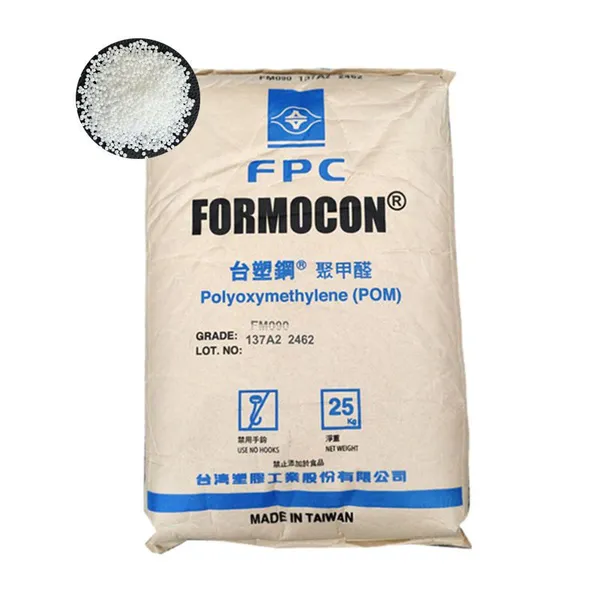
POM FM090 General Purpose Acetal Copolymer With Excellent MachinabilityNegotiableMOQ: 1 Kilogram
-
POM FM090 Standard Flow Acetal Copolymer Granules for Precision Injection MoldingNegotiableMOQ: 1 Kilogram
-
POM FM090 UV Stabilized Acetal Resin for Outdoor Automotive ComponentsNegotiableMOQ: 1 Kilogram
-
Technical Support Available POM K300 Acetal Copolymer for Precision Injection Molding ServiceNegotiableMOQ: 1 Kilogram
-
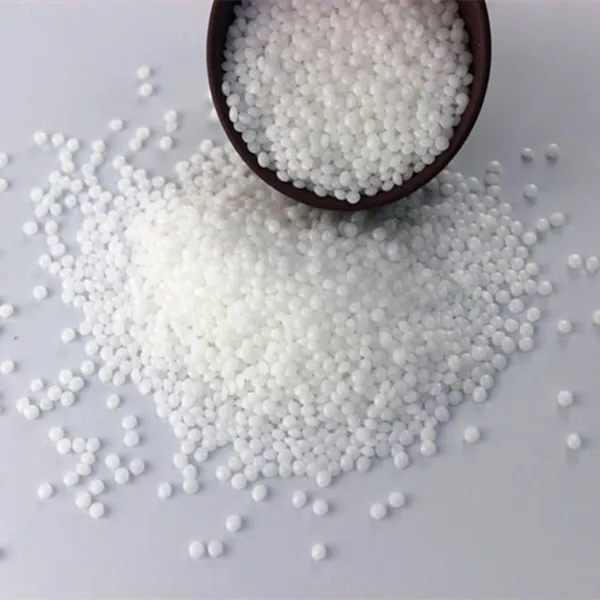
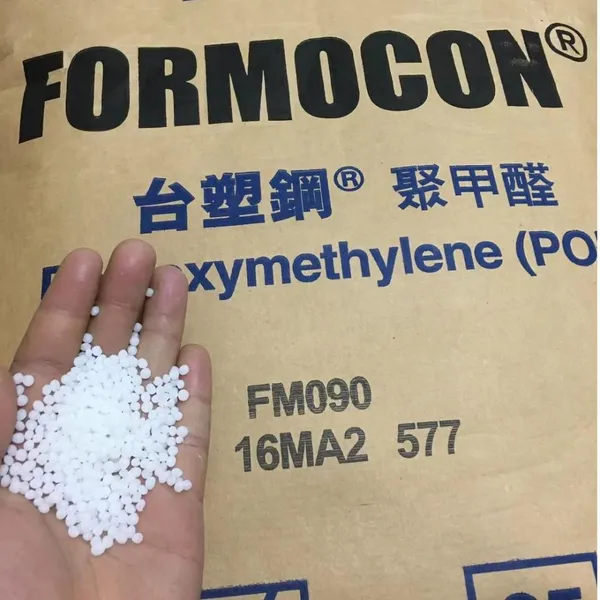
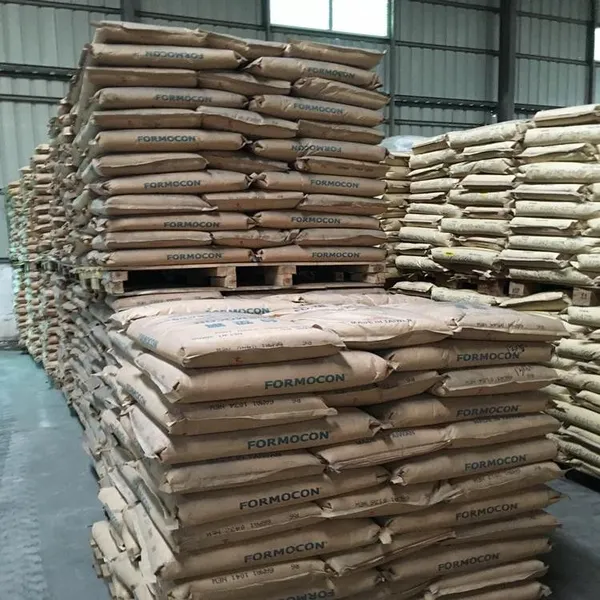
KOCETAL POM K300 Acetal Copolymer MFR 9 G/10min 1.41g/cm³ Tensile Strength 60MPaNegotiableMOQ: 1 Kilogram
-
Factory Price Polyacetal POM Resin FM090 for Engineering ApplicationsNegotiableMOQ: 1 Kilogram
-
High Strength Cheap POM FM090 UV Engineering Plastic for Automotive PartsNegotiableMOQ: 1 Kilogram
-
Virgin POM FM090 Granules Pellets Engineering Plastic Raw MaterialNegotiableMOQ: 1 Kilogram
-
POM K300 Plastic Granules 1.5% Shrinkage Rate 80 Shore D Hardness Stable Injection Molding PerformanceNegotiableMOQ: 1 Kilogram
-
Low Friction Coefficient High Dimensional Stability POM K300 Acetal Copolymer Injection Molding GradeNegotiableMOQ: 1 Kilogram

-
POM K300 Acetal Sheet Used for Automotive Gear Components and Conveyor Chains in Industrial MachineryNegotiableMOQ: 1 Kilogram
-
POM K300 Engineering Plastic Sheet With Melting Point 165°C and Excellent Wear Resistance for MachiningNegotiableMOQ: 1 Kilogram
-
POM K300 Acetal Copolymer Injection Molding Grade With Low Friction Coefficient and High Dimensional StabilityNegotiableMOQ: 1 Kilogram
-
POM K300 Polyoxymethylene Resin MFI 9 Engineering Plastic Granule for Injection MoldingNegotiableMOQ: 1 Kilogram
-
Virgin POM Granules Polyoxymethylene Pellets Manufacturer Direct Price for Injection MoldingNegotiableMOQ: 1 Kilogram