Business License

ABS Plastic Properties: A Complete Guide for Manufacturers and Designers
ABS plastic properties include excellent impact resistance, good tensile strength, easy moldability, and an attractive surface finish that accepts color and texture well. These characteristics make ABS one of the most widely used engineering plastics for appliance housings, automotive interior trim, electronics enclosures, and consumer products worldwide.
When Li Na, a product designer at a Shenzhen appliance company, needed to redesign a vacuum cleaner housing in 2024, her team narrowed the choice to two materials. One option cost less but cracked during drop testing. The other was ABS resin. After testing ABS plastic properties against their requirements, Li Na's team found the right balance of impact strength, surface quality, and processing consistency. The redesigned housing passed every durability test and moved into production without delays.
You probably face a similar decision. Choosing the right material means matching mechanical performance, thermal behavior, chemical resistance, and processing requirements to your application. This guide explains the essential ABS plastic properties you need to evaluate, the most common ABS grades, and how to select the right resin for your project.
By the end, you will understand what makes ABS resin a reliable choice, where it performs best, and how an authorized distributor can help you source consistent, certified grades for production.
Key Takeaways
ABS combines acrylonitrile, butadiene, and styrene to deliver impact resistance, stiffness, and excellent surface finish in one cost-effective resin.
Typical ABS plastic properties include tensile strength of 35–50 MPa, flexural modulus of 2,000–2,500 MPa, and heat deflection temperature up to 100 °C depending on grade.
Common ABS grades include standard, high-impact, heat-resistant, transparent, and electroplating grades for specific applications.
ABS is widely used in automotive trim, appliance housings, electronics enclosures, and consumer goods that need both durability and appearance.
Proper drying, melt temperature, and mold temperature control are essential for consistent ABS injection molding results.
What Is ABS Plastic?
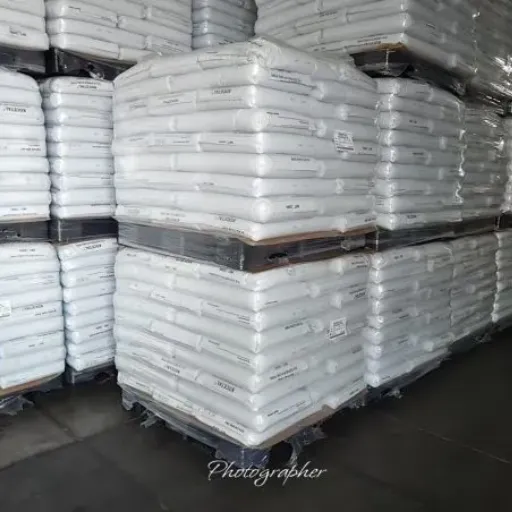
Acrylonitrile Butadiene Styrene (ABS) is a thermoplastic polymer made by polymerizing styrene and acrylonitrile in the presence of polybutadiene rubber. The result is a versatile engineering plastic that blends three distinct performance characteristics:
Acrylonitrile contributes chemical resistance, heat stability, and mechanical strength.
Butadiene provides toughness and impact resistance, especially at low temperatures.
Styrene gives rigidity, processability, and a glossy surface finish.
This combination makes ABS plastic a workhorse material for manufacturers who need reliable performance without the cost of higher-end engineering resins. ABS is amorphous, which means it melts over a broad temperature range rather than at a single point. This behavior improves processability in injection molding and extrusion.
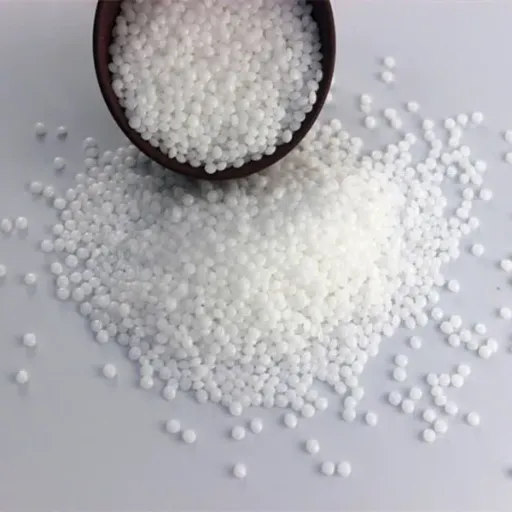
ABS resin is available as natural pellets or pre-colored compounds. It can be easily machined, glued, painted, and plated, which expands its usefulness beyond simple molded parts. For buyers looking at ABS resin grades from a certified distributor, understanding these fundamentals helps you ask the right questions about grade selection and documentation.
Key ABS Plastic Properties
The popularity of ABS comes from its balanced property profile. It is not the strongest, most heat-resistant, or most chemically inert plastic available, but it delivers an unusual combination of useful traits at a competitive price.
Mechanical Properties
ABS plastic properties begin with solid mechanical performance. Typical values for a standard injection-molding grade include:
Tensile strength: 35–50 MPa
Flexural modulus: 2,000–2,500 MPa
Izod impact strength: 20–40 kJ/m² (notched)
Elongation at break: 10–50%
These numbers tell you that ABS is strong enough for structural housings, stiff enough to hold dimensional tolerance, and tough enough to survive drops and impacts. High-impact ABS grades push impact strength even higher, while heat-resistant grades trade some toughness for improved thermal performance.
The material also has good dimensional stability under normal service conditions. It resists creep better than polypropylene in many applications, which matters for parts that must maintain fit and function over time.
Thermal Properties
ABS softens and becomes processable between 200 °C and 240 °C. Its heat deflection temperature under load (HDT at 1.82 MPa) typically ranges from 85 °C to 100 °C for standard grades. Heat-resistant grades can reach HDT values above 105 °C.
This makes ABS suitable for indoor applications and environments with moderate heat exposure. However, it is not the best choice for under-hood automotive components or applications that see sustained temperatures above 90 °C. For those conditions, materials such as PA66, PBT, or PC/ABS blends are usually better options.
Electrical and Chemical Properties
ABS offers good electrical insulation properties, including decent dielectric strength and low moisture absorption. It performs well in electronic housings and enclosures where short-term electrical isolation is required.
Chemically, ABS resists diluted acids, alkalis, and some hydrocarbons. It is not recommended for prolonged contact with strong acids, oxidizing agents, aromatic hydrocarbons, ketones, or esters. If your part will face aggressive chemicals, review the technical data sheet carefully or ask your supplier for a chemical resistance chart.
A Zhuhai electronics manufacturer learned this lesson when a new handheld device housing began crazing after contact with a cleaning solvent. The team had selected a standard ABS grade without checking chemical compatibility. After switching to a more chemically resistant grade and validating it with the supplier's technical data sheet, the issue disappeared and production continued on schedule. Want to avoid similar problems? Speak with our technical team about matching ABS grades to your operating environment.
Common ABS Grades and Modifications
Not all ABS resin behaves the same way. Manufacturers offer grades optimized for specific processing methods and end-use requirements. Understanding these variations helps you choose a grade that matches both performance and budget.
Standard General-Purpose ABS
General-purpose ABS balances cost, processability, and mechanical properties. It is the default choice for housings, toys, office equipment, and consumer goods. These grades offer good surface gloss and easy molding.
High-Impact ABS
High-impact grades contain a higher rubber content, which improves toughness and drop resistance. They are common in luggage, power tool housings, and automotive interior parts that must withstand rough handling.
Heat-Resistant ABS
Heat-resistant grades use modified compositions to raise HDT values. They are chosen for applications such as hair dryers, coffee makers, and automotive interior trim that experiences short-term temperature spikes.
Transparent ABS
Transparent ABS grades, sometimes called MABS, deliver optical clarity while retaining much of the toughness and processability of standard ABS. They are used in cosmetic packaging, medical devices, and display covers.
Electroplating ABS
Electroplating grades are formulated to accept chrome and nickel coatings for decorative automotive trim, bathroom fixtures, and appliance accents. These grades contain additives that promote adhesion between the plastic substrate and the metal layer.
Flame-Retardant ABS
Flame-retardant ABS contains additives that meet UL94 V-0 or HB ratings. These grades are used in electronics housings, business machines, and electrical enclosures where fire safety standards apply.
For a deeper look at how ABS compares to blended alternatives, read our guide on ABS vs PC/ABS.
Where ABS Plastic Performs Best
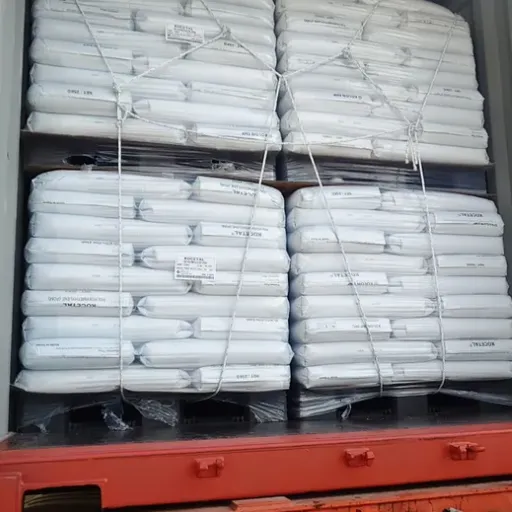
ABS plastic properties make it a natural fit for applications that need a combination of strength, appearance, and processability. The material is especially common in industries where parts are visible to consumers and must look good while surviving daily use.
Automotive Applications
In automotive manufacturing, ABS is used for interior trim, dashboard components, door panels, and center consoles. It can be molded in color, painted, or plated to match interior designs. Its impact resistance helps parts survive assembly handling and long-term passenger use.
For exterior or higher-heat automotive parts, manufacturers often switch to PC/ABS blends or other engineering plastics. PC/ABS offers better heat resistance and impact strength while retaining much of ABS's processability and surface quality.
Electronics and Appliance Housings
ABS is one of the most common materials for electronic enclosures, keyboard keys, printer housings, and remote controls. Its electrical insulation properties, combined with good surface finish and colorability, make it ideal for visible consumer electronics.
In appliances, ABS appears in vacuum cleaner housings, refrigerator liners, small kitchen appliances, and hair dryer bodies. Manufacturers value its ability to produce glossy, durable surfaces without expensive secondary finishing.
Industrial and Consumer Goods
Beyond automotive and electronics, ABS is found in luggage, toys, sporting goods, office furniture, and medical device housings. Its ease of machining and bonding also makes it popular for prototypes and low-volume fabricated parts.
A procurement manager at a Ningbo automotive parts supplier told us that switching to a single certified ABS grade reduced incoming inspection rejects by 30%. The key was working with an authorized distributor who provided consistent batch documentation and technical data sheets for every delivery. Ready to simplify your ABS sourcing? Request a quote for certified ABS resin grades.
ABS Processing Considerations for Injection Molding
ABS injection molding is straightforward, but it rewards attention to detail. Small changes in drying, temperature, or mold design can significantly affect surface finish, dimensional stability, and mechanical performance.
Drying Requirements
ABS is hygroscopic and must be dried before processing. Typical drying conditions are 80–85 °C for 2–4 hours, depending on pellet size and initial moisture content. Inadequate drying causes silver streaks, bubbles, and reduced surface quality.
Melt and Mold Temperatures
Recommended melt temperatures range from 200 °C to 240 °C. Mold temperatures typically fall between 40 °C and 80 °C. Higher mold temperatures improve surface gloss and reduce molded-in stress but may increase cycle time.
Mold Design Tips
ABS flows well, but uniform wall thickness helps prevent sink marks and warpage. Radiused corners reduce stress concentration. Proper venting prevents burn marks and short shots. Gate design should avoid direct impingement on cosmetic surfaces.
Secondary Operations
ABS accepts painting, plating, adhesives, and ultrasonic welding. If your part requires secondary finishing, share those requirements with your material supplier early. Some grades are specifically formulated for plating, painting, or laser marking.
For detailed guidance on material selection across multiple resin families, explore our material selection guides.
ABS vs Other Plastics: How It Compares
No material is perfect for every application. Comparing ABS plastic properties to alternative resins helps you make an informed substitution decision.
ABS vs PC/ABS
PC/ABS blends combine polycarbonate's heat and impact resistance with ABS's processability and surface finish. The result is a higher-performance material often used in automotive interiors, laptop housings, and power tools. PC/ABS costs more than ABS and requires slightly higher processing temperatures, but it delivers better toughness and thermal performance. For a full comparison, see our ABS vs PC/ABS guide.
ABS vs Polypropylene
Polypropylene (PP) is lighter, more chemically resistant, and generally less expensive than ABS. However, PP has lower surface gloss, poorer paint adhesion, and lower impact strength at room temperature. ABS is the better choice when appearance, toughness, and secondary finishing matter.
ABS vs Polycarbonate
Polycarbonate (PC) offers much higher impact strength and heat resistance than ABS. It is also transparent and more expensive. ABS is preferred when cost, ease of molding, and surface appearance are priorities. PC is chosen when optical clarity or high heat resistance is required.
How to Select the Right ABS Grade
Choosing the right ABS grade starts with defining your application's requirements. Use the following checklist to guide your selection:
Mechanical load: Does the part carry structural loads, or is it primarily a cosmetic housing?
Impact requirements: Will the part be dropped, bumped, or handled roughly?
Thermal exposure: What is the maximum service temperature and duration?
Chemical contact: Will the part encounter cleaners, oils, solvents, or fuels?
Surface finish: Is the part visible? Will it be painted, plated, or left as-molded?
Regulatory needs: Are flame-retardant, food-contact, or medical grades required?
Processing method: Will you use injection molding, extrusion, or 3D printing?
After defining these factors, request technical data sheets for candidate grades and compare key properties side by side. An experienced distributor can help interpret the data and recommend grades from trusted suppliers such as Chi Mei, Formosa Plastics, and other global producers.
Frequently Asked Questions
What are the main ABS plastic properties?
ABS plastic properties include good impact resistance, moderate tensile strength, excellent surface finish, easy processability, and reasonable chemical resistance. It is an amorphous thermoplastic that melts between 200 °C and 240 °C and is suitable for injection molding, extrusion, and machining.
Is ABS plastic strong?
ABS is strong enough for most consumer and industrial housings, with tensile strength typically between 35 MPa and 50 MPa. It is not as strong as polycarbonate, nylon, or reinforced engineering plastics, but it offers an excellent balance of strength, toughness, and cost.
What is the difference between ABS and PC/ABS?
PC/ABS is a blend that combines ABS's processability and surface quality with polycarbonate's superior heat resistance and impact strength. ABS is more economical and easier to mold, while PC/ABS performs better in demanding automotive, electronics, and industrial applications.
Can ABS plastic be used outdoors?
Standard ABS is not ideal for long-term outdoor exposure because it degrades under ultraviolet light. UV-stabilized ABS grades are available for outdoor applications, but they still require careful evaluation for the expected service life and climate conditions.
What industries use ABS plastic the most?
ABS is widely used in automotive interiors, consumer electronics, household appliances, toys, luggage, and industrial equipment. Its combination of impact resistance, surface appearance, and processability makes it suitable for any visible, durable plastic part.
Conclusion
ABS plastic properties offer manufacturers a practical combination of impact resistance, mechanical strength, surface quality, and processing ease. From automotive interior trim to electronics housings and appliance components, ABS resin remains one of the most versatile engineering plastics available.
The key to success is selecting the right grade for your specific application. Standard, high-impact, heat-resistant, transparent, and electroplating grades each serve different purposes. Proper processing, including thorough drying and controlled mold temperatures, ensures consistent part quality.
If you need certified ABS resin from globally recognized suppliers, Ailide Polymer can help. We distribute ABS and related engineering plastics nationwide, with technical support, batch documentation, and flexible order quantities. Contact our team today to request a quote or speak with a materials specialist about your next project.
Recently Posted
-
ABS in Automotive Interiors: From Dashboards to Door Panels
September 2, 2026A tier-two supplier once substituted a general-purpose ABS for an automotive-grade ABS on a door trim component to save 4% on resi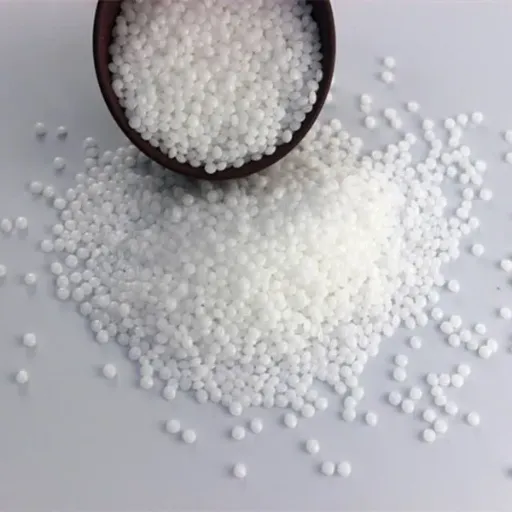 Read More
 -
ABS Flame Retardant Grades and UL 94 Ratings Explained: A Practical Guide for Buyers and Designers
September 2, 2026An electronics manufacturer once submitted a power-supply housing molded from standard ABS to a safety certification test. The mat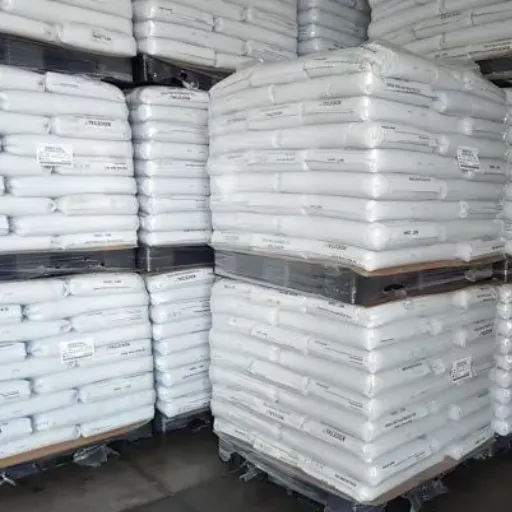 Read More
 -
KOCETAL K300 vs Formosa FM090 vs DURACON M90: Picking the Right Medium-Viscosity POM
September 2, 2026A gear shop in India once ordered a container of acetal copolymer based on a 5% price discount, without checking whether the grade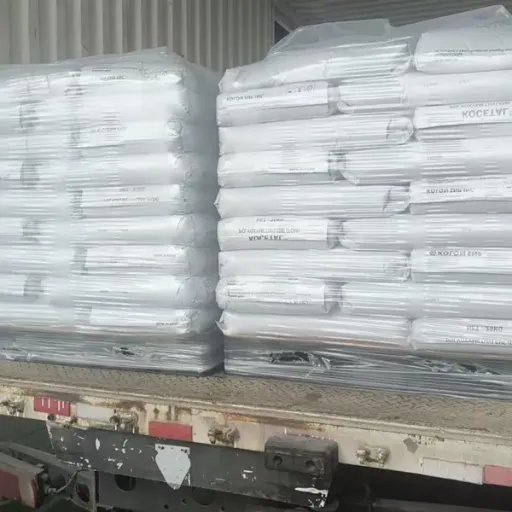 Read More
 -
PP vs PE: Which Polyolefin Resin Fits Your Application?
September 2, 2026A bottle manufacturer once chose HDPE for a hot-fill juice container and watched the bottles distort on the filling line. The mate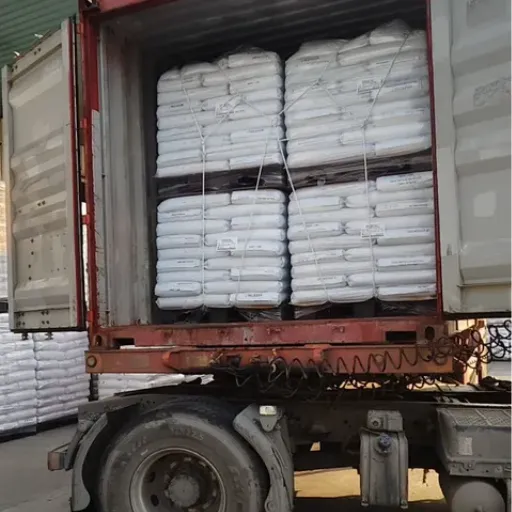 Read More

Contact Us
Recommended Products
-
 Automotive Interior Clip and Door Lock POM K300 Injection Molding Material With Low FrictionNegotiableMOQ: 1 Kilogram
 -
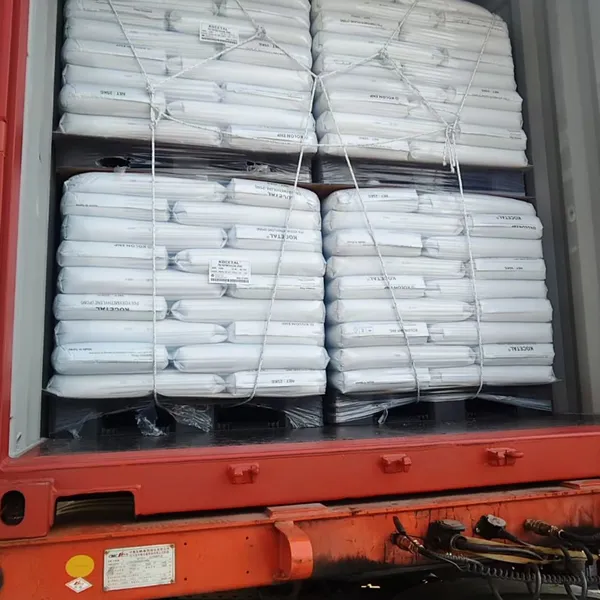
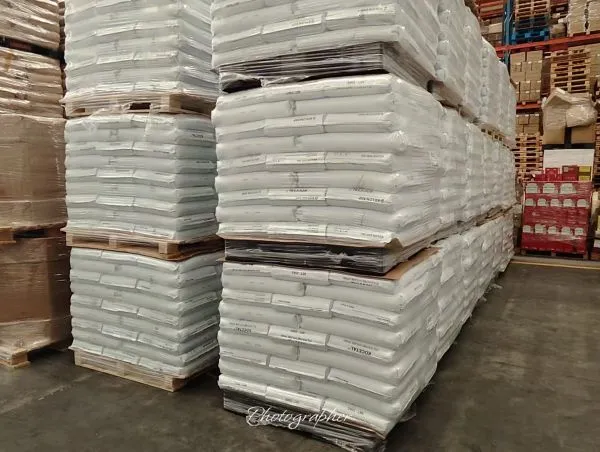
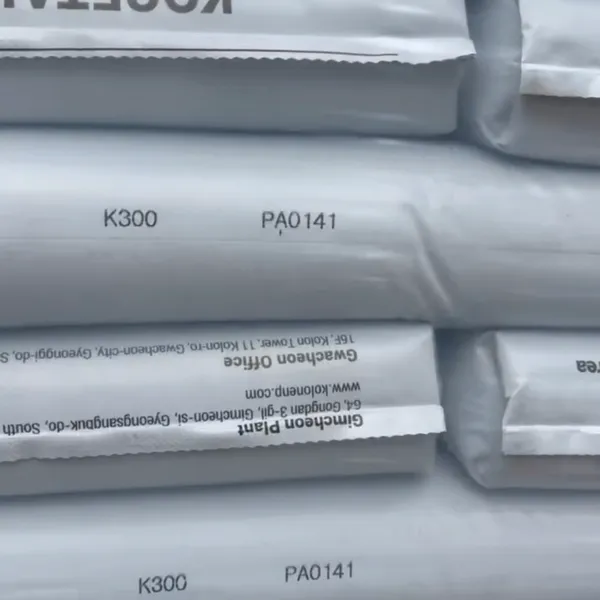
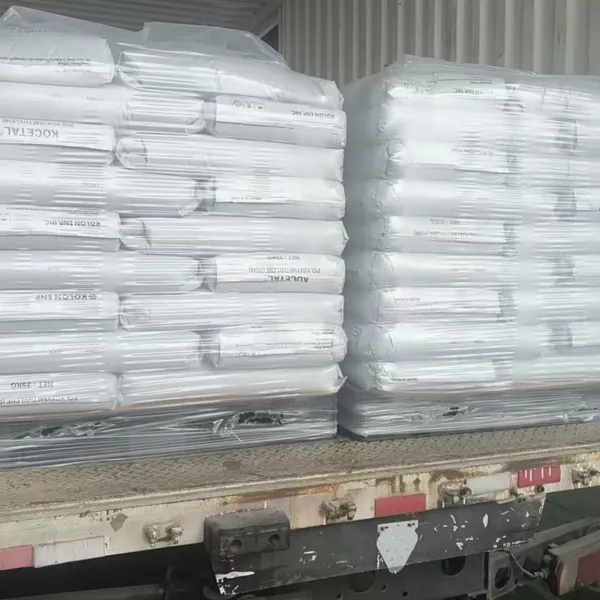
KOCETAL POM K300 Virgin Pellets For Precision Gear Bearing Automotive Latch Water Valve PartsNegotiableMOQ: 1 Kilogram
-
Original Kolon POM K300 Engineering Plastic Wear Resistant Self Lubricating Acetal GranulesNegotiableMOQ: 1 Kilogram
-
Self-Lubricating POM K300 HDT 120°C Wear Resistant Resin With 0.2% Moisture AbsorptionNegotiableMOQ: 1 Kilogram
-
POM FM090AW PTFE Filled Wear Resistant Low Friction Acetal for Silent GearsNegotiableMOQ: 1 Kilogram
-
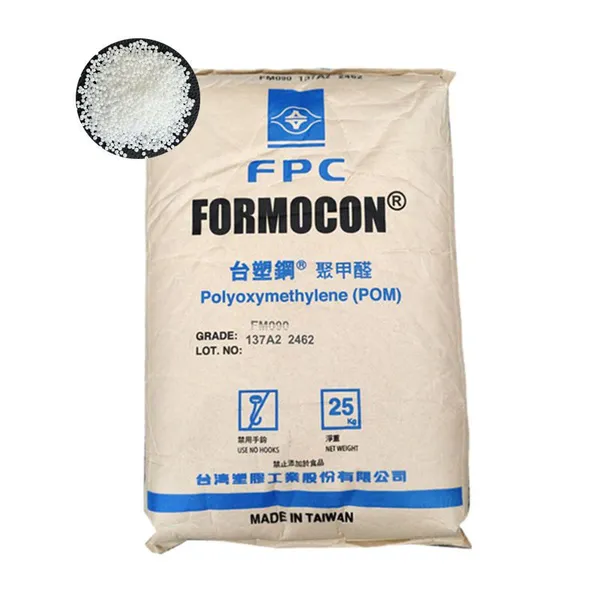
POM FM090 General Purpose Acetal Copolymer With Excellent MachinabilityNegotiableMOQ: 1 Kilogram
-
POM FM090 Standard Flow Acetal Copolymer Granules for Precision Injection MoldingNegotiableMOQ: 1 Kilogram
-
POM FM090 UV Stabilized Acetal Resin for Outdoor Automotive ComponentsNegotiableMOQ: 1 Kilogram
-
Technical Support Available POM K300 Acetal Copolymer for Precision Injection Molding ServiceNegotiableMOQ: 1 Kilogram
-
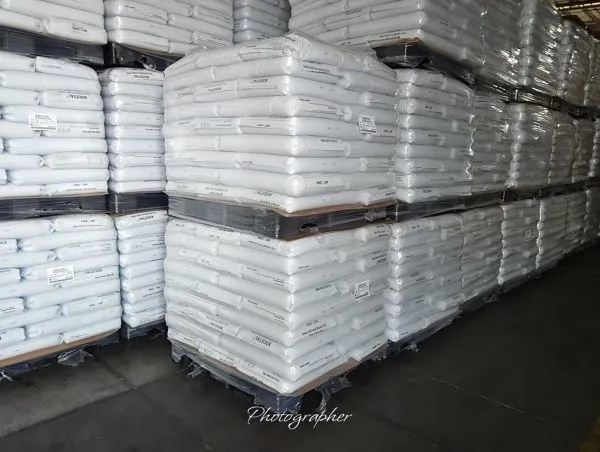
KOCETAL POM K300 Acetal Copolymer MFR 9 G/10min 1.41g/cm³ Tensile Strength 60MPaNegotiableMOQ: 1 Kilogram
-
Factory Price Polyacetal POM Resin FM090 for Engineering ApplicationsNegotiableMOQ: 1 Kilogram
-
High Strength Cheap POM FM090 UV Engineering Plastic for Automotive PartsNegotiableMOQ: 1 Kilogram
-
Virgin POM FM090 Granules Pellets Engineering Plastic Raw MaterialNegotiableMOQ: 1 Kilogram
-
POM K300 Plastic Granules 1.5% Shrinkage Rate 80 Shore D Hardness Stable Injection Molding PerformanceNegotiableMOQ: 1 Kilogram
-
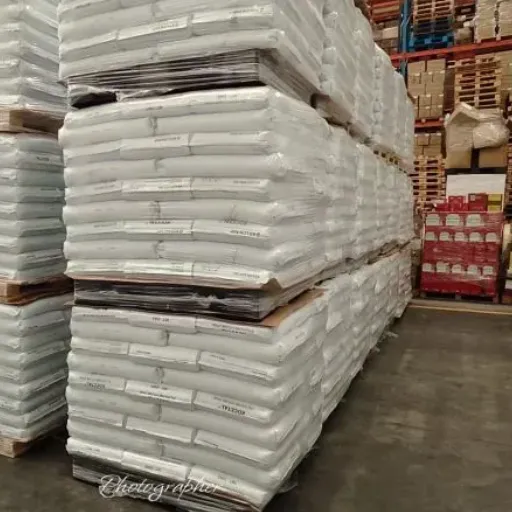
Low Friction Coefficient High Dimensional Stability POM K300 Acetal Copolymer Injection Molding GradeNegotiableMOQ: 1 Kilogram

-
POM K300 Acetal Sheet Used for Automotive Gear Components and Conveyor Chains in Industrial MachineryNegotiableMOQ: 1 Kilogram
-
POM K300 Engineering Plastic Sheet With Melting Point 165°C and Excellent Wear Resistance for MachiningNegotiableMOQ: 1 Kilogram
-
POM K300 Acetal Copolymer Injection Molding Grade With Low Friction Coefficient and High Dimensional StabilityNegotiableMOQ: 1 Kilogram
-
POM K300 Polyoxymethylene Resin MFI 9 Engineering Plastic Granule for Injection MoldingNegotiableMOQ: 1 Kilogram
-
Virgin POM Granules Polyoxymethylene Pellets Manufacturer Direct Price for Injection MoldingNegotiableMOQ: 1 Kilogram