Business License

What Is ABS Resin Made Of: The Chemistry Behind Acrylonitrile Butadiene Styrene
A plastics buyer once rejected a shipment of ABS because the pellets looked slightly yellower than the reference batch. The material passed every mechanical test, but the supplier had quietly raised the butadiene content to improve impact strength, and the color shift revealed a formulation change nobody had documented. The chemistry of ABS is exactly what you need to understand before this kind of surprise costs you a production run.
ABS appears in dashboards, appliance housings, LEGO-style toys, and power tools, yet most buyers treat it as a black box. Knowing what the three letters actually stand for, and how the monomers work together, turns that black box into a readable formula.
This guide breaks down the chemistry of ABS resin: what each component contributes, how they are combined, and how the recipe explains the properties you see on the datasheet.
1. What ABS Actually Is: A Three-Monomer Story
ABS stands for acrylonitrile, butadiene, and styrene, the three chemical building blocks that give the material its name. It is not a simple chain of identical units like polyethylene; it is a carefully engineered mixture of two polymer phases.
The acrylonitrile and styrene units form a hard, glassy plastic called styrene-acrylonitrile copolymer, or SAN. The butadiene forms soft rubber particles that are dispersed inside that hard SAN matrix.
That two-phase structure, hard matrix plus rubber islands, is the heart of ABS. It explains why ABS is rigid yet tough, glossy yet paintable, and why it processes so easily in injection molding. Once you understand this architecture, the rest of the material's behavior follows naturally.
2. The Three Building Blocks: Acrylonitrile, Butadiene, Styrene
Each monomer brings a distinct personality to the final material. Acrylonitrile is a nitrile compound that contributes chemical resistance, hardness, and heat stability, but it is brittle on its own.
Butadiene is a diene that polymerizes into flexible rubber. It provides the impact resistance that keeps ABS parts from cracking when dropped, and its presence is why ABS feels tougher than plain polystyrene.
Styrene is the workhorse that gives ABS its stiffness, gloss, and easy processability. It is also the cheapest of the three, so it dominates the recipe by weight.
The table below summarizes each monomer's contribution.
| Monomer | Role in the Chain | What It Contributes |
|---|---|---|
| Acrylonitrile | Hard SAN phase | Chemical resistance, hardness, heat stability |
| Butadiene | Rubber particles | Impact strength, low-temperature toughness |
| Styrene | Hard SAN phase | Stiffness, gloss, processing ease, cost balance |
By weight, styrene typically makes up about 50 to 70 percent of ABS, with acrylonitrile around 15 to 35 percent and butadiene roughly 5 to 30 percent. These proportions shift across grades, and the balance is what creates the performance differences buyers pay for. A high-impact grade simply moves more of the recipe toward butadiene.
3. How the Three Monomers Combine: Grafting and Blending
The monomers are not simply mixed together like paint. The rubber particles are first polymerized from butadiene, then styrene and acrylonitrile are polymerized onto and around those particles in a process called grafting.
Grafting creates chemical bonds between the rubber and the SAN matrix, so the two phases hold together instead of separating. This is what makes ABS a durable material rather than a weak composite.
The particle size of the rubber phase is engineered as carefully as the chemistry itself. Particles in the range of roughly 0.1 to 1.0 micrometers give a good balance of toughness and surface quality, and producers tune this during polymerization. That is why the production process matters as much as the raw monomers.
Because the rubber is bonded into the matrix, the material can be molded and remelted without losing its toughness. That is why ABS is recyclable and why regrind can be reused in many applications. The stability of the two-phase structure also explains why ABS holds its impact performance across multiple processing cycles, a property that post-industrial recycling depends on.
4. Why the Combination Works: Each Monomer's Role
Plain polystyrene is stiff but brittle; it shatters when dropped. Plain rubber is tough but too soft for structural parts. ABS combines them so that the stiffness of the glassy phase and the toughness of the rubber phase coexist.
When an ABS part is struck, the rubber particles absorb the impact energy and stop cracks from running through the part. The same mechanism gives ABS its excellent fatigue behavior and its ability to survive rough handling.
Acrylonitrile then adds the chemical durability that styrene alone lacks, protecting the material against oils, greases, and cleaning agents. Each monomer covers a weakness of the others, which is the entire point of the design.
Temperature plays a role in how the phases behave. At low temperatures, the rubber phase stays flexible while the SAN matrix grows more brittle, which is why ABS impact values drop in cold environments. Producers can adjust the rubber chemistry to delay that embrittlement. This matters for automotive parts that face cold winter climates.
5. The Polymerization Process: Emulsion and Bulk Routes
Manufacturers produce ABS through two main routes. The emulsion process starts with butadiene latex, grafts the styrene-acrylonitrile onto it, and then coagulates and dries the resulting powder. It offers excellent control over rubber particle size.
The bulk or continuous process runs the polymerization in a solvent or in the melt, which is simpler and more cost-efficient at large scale. Both routes end with the same step: compounding, where additives such as stabilizers, colorants, and lubricants are mixed into the resin before pelletizing.
The compounding step is where different ABS grades diverge. High-impact grades get more rubber, high-gloss grades get a different SAN ratio, and flame-retardant grades receive specific additive packages.
Additives complete the recipe. Heat stabilizers protect ABS during processing and service, UV stabilizers slow yellowing outdoors, and mold release agents improve demolding. Lubricants and colorants round out the package, and their selection is part of what distinguishes one grade from another. Buyers rarely see these details, but they affect both performance and price.
Quality control during polymerization matters because the rubber phase is difficult to measure after the fact. Producers track particle size distribution, grafting efficiency, and residual monomer content on every batch. These parameters are invisible on the final datasheet but determine whether two batches process identically on your molding line.
6. How ABS Chemistry Drives Material Properties
The two-phase structure explains almost every number on an ABS datasheet. Tensile strength of roughly 40 to 50 MPa comes from the hard SAN phase, while Izod impact values of 15 to 30 kJ/m² come from the rubber particles.
Heat deflection temperature, typically 85 to 100°C, is set by the SAN matrix composition and the acrylonitrile content. A higher acrylonitrile ratio raises heat resistance but also raises the material's price.
Surface gloss depends on the rubber particle size and distribution. Small, uniform particles give high gloss, which is why cosmetic grades are formulated differently from structural grades.
Understanding these connections lets you read a datasheet as a description of the recipe behind the pellets. A general-purpose ABS and a high-impact ABS can look identical in color and pellet size, yet behave completely differently in the mold and in service. The chemistry is the difference, and the datasheet is the only place it shows up in numbers.
7. The Effect of Monomer Ratios: Tailoring the Grade
ABS is not one material; it is a family whose properties shift with the monomer ratios. Raising butadiene content increases impact strength but reduces stiffness and heat resistance, while raising acrylonitrile does the opposite.
The ratio adjustments are how producers create the range of ABS grades on the market: general-purpose, high-impact, high-heat, high-gloss, and flame-retardant. Two ABS grades with the same name family can differ meaningfully in real performance.
This is why grade selection should always start with the datasheet and a trial run, not with the assumption that all ABS is interchangeable. At Ailide Polymer (Jiangsu) Co Ltd, we ask buyers for the target properties before recommending a specific ABS grade, because the chemistry differences are real. A distributor that treats every ABS grade as the same material is not serving you well.
8. ABS vs Its Components: Why Not Just Use Polystyrene?
The comparison with plain polystyrene makes ABS's design obvious. Polystyrene is cheap, stiff, and glossy, but it cracks under impact and degrades in contact with oils. ABS keeps those good traits and adds toughness and chemical resistance.
Compared with polycarbonate, ABS trades some heat resistance and clarity for a much lower price and easier processing. Compared with nylon, ABS wins on dimensional stability and surface finish but loses on continuous heat performance.
The chemistry explains the market position too. ABS sits between commodity plastics and high-end engineering plastics, which is exactly where many automotive, appliance, and electronics parts need it to be. When comparing ABS with other thermoplastics, buyers often need a second opinion grounded in real grade data; Ailide Polymer (Jiangsu) supplies ABS alongside PC/ABS, nylon, and other engineering resins, so the comparison can be made with actual numbers rather than marketing claims.
The same reasoning applies when ABS is compared with PC/ABS blends. The blend adds polycarbonate for heat resistance and strength, but the ABS portion still provides the processability and surface quality. Understanding the base ABS chemistry makes these higher-level blend decisions easier to evaluate.
9. How to Read an ABS Datasheet Through Its Chemistry
Once the chemistry is clear, a datasheet becomes easier to interpret. The melt flow rate tells you the molecular weight and viscosity, which reflects the polymer's chain length and affects how it fills a mold.
The Izod impact value is a direct window into rubber content: higher values mean more butadiene, and therefore better toughness but lower stiffness. The HDT and Vicat softening point reflect the acrylonitrile content in the SAN phase.
Our team at Ailide can walk buyers through these relationships when they compare grades. At Ailide Polymer, the technical staff treats grade chemistry as part of the purchasing conversation, not an afterthought. A small amount of chemistry knowledge prevents the common mistake of choosing an ABS grade by price alone and discovering the mismatch after the first production run.
10. FAQ About ABS Resin Chemistry
10.1 Why is ABS called a terpolymer?
ABS is built from three monomers: acrylonitrile, butadiene, and styrene, so it is a terpolymer, a polymer made from three different building blocks. The monomers are not arranged in a simple repeating chain; instead, styrene and acrylonitrile form a hard matrix while butadiene forms rubber particles grafted into that matrix. This two-phase architecture is what gives ABS its combination of stiffness and toughness.
10.2 Does the ratio of monomers matter for performance?
Yes, significantly. A higher butadiene ratio raises impact strength and low-temperature toughness but lowers stiffness and heat resistance. A higher acrylonitrile ratio improves heat resistance and chemical resistance but can make the material harder to process and more expensive. Producers use these ratio shifts to create the full family of ABS grades, from general-purpose to high-heat and high-impact versions, and the differences are visible in the datasheet numbers.
10.3 Is ABS the same as polystyrene?
No. Polystyrene is a single-monomer plastic that is stiff and glossy but brittle and sensitive to oils. ABS adds butadiene rubber for toughness and acrylonitrile for chemical and heat resistance, so it is noticeably stronger and more durable. The price difference is modest, which is why ABS replaced polystyrene in many demanding applications such as automotive interiors and appliance housings, where parts need to survive daily handling and cleaning.
10.4 Can the chemistry of ABS be changed for recycling?
Recycled ABS keeps the same chemistry but may have degraded impact properties and more color variation, because the rubber phase and additives are sensitive to repeated heat exposure. Recyclers often blend recycled ABS with virgin resin to hold the target performance. Buyers using recycled ABS should request impact test data, because the butadiene content, not the label, determines the real toughness of the material.
Recently Posted
-
ABS in Automotive Interiors: From Dashboards to Door Panels
September 2, 2026A tier-two supplier once substituted a general-purpose ABS for an automotive-grade ABS on a door trim component to save 4% on resi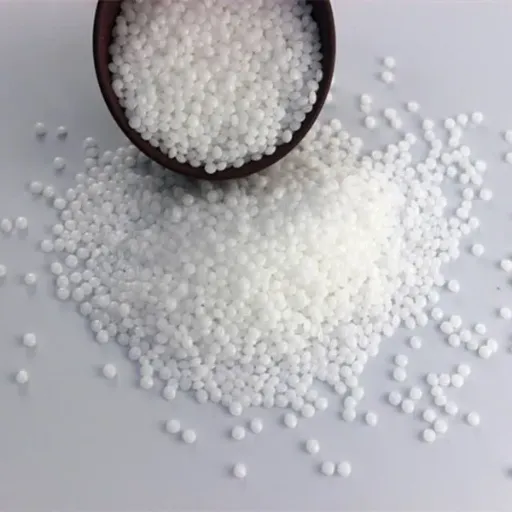 Read More
 -
ABS Flame Retardant Grades and UL 94 Ratings Explained: A Practical Guide for Buyers and Designers
September 2, 2026An electronics manufacturer once submitted a power-supply housing molded from standard ABS to a safety certification test. The mat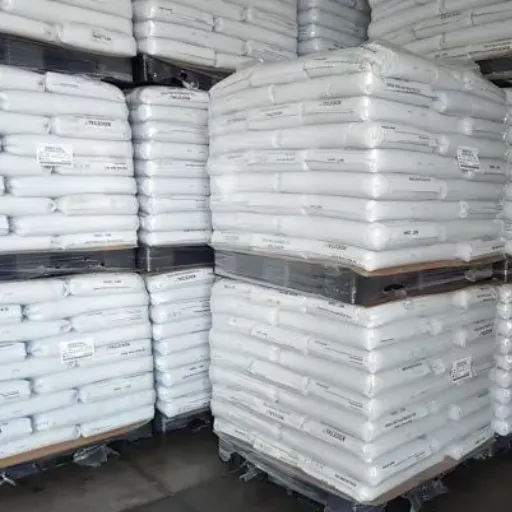 Read More
 -
KOCETAL K300 vs Formosa FM090 vs DURACON M90: Picking the Right Medium-Viscosity POM
September 2, 2026A gear shop in India once ordered a container of acetal copolymer based on a 5% price discount, without checking whether the grade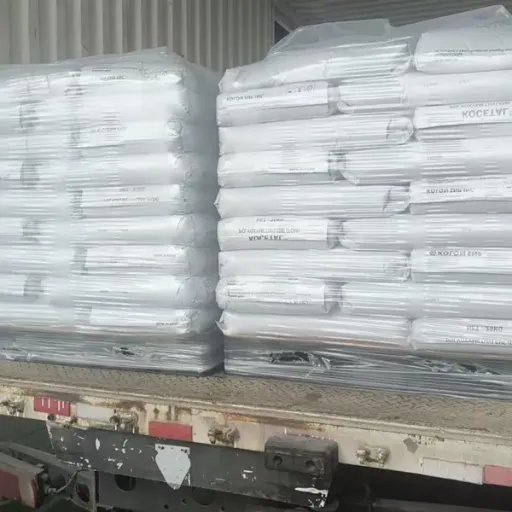 Read More
 -
PP vs PE: Which Polyolefin Resin Fits Your Application?
September 2, 2026A bottle manufacturer once chose HDPE for a hot-fill juice container and watched the bottles distort on the filling line. The mate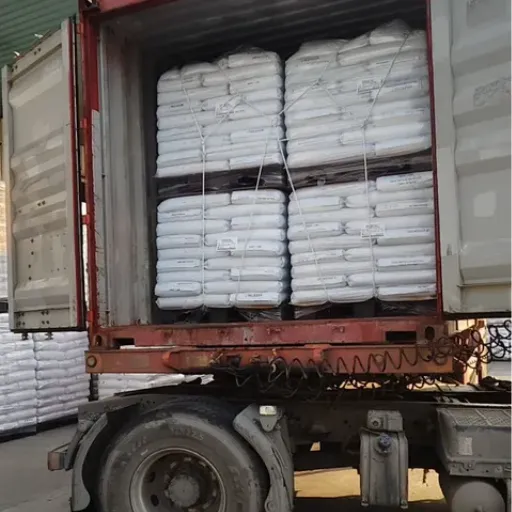 Read More

Contact Us
Recommended Products
-
 Automotive Interior Clip and Door Lock POM K300 Injection Molding Material With Low FrictionNegotiableMOQ: 1 Kilogram
 -
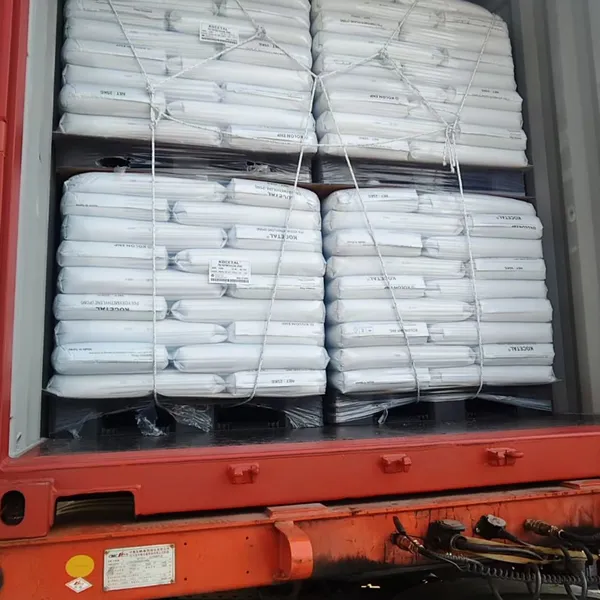
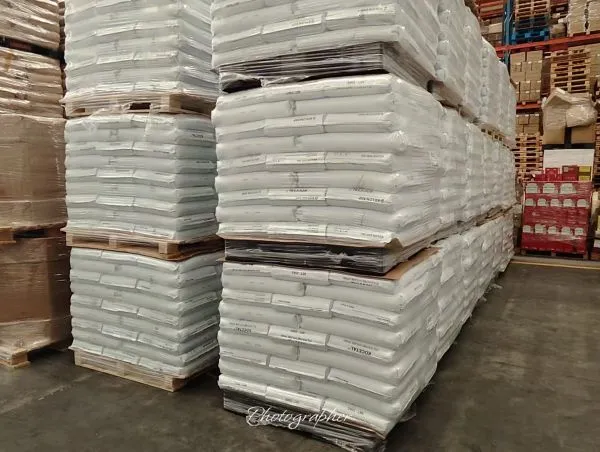
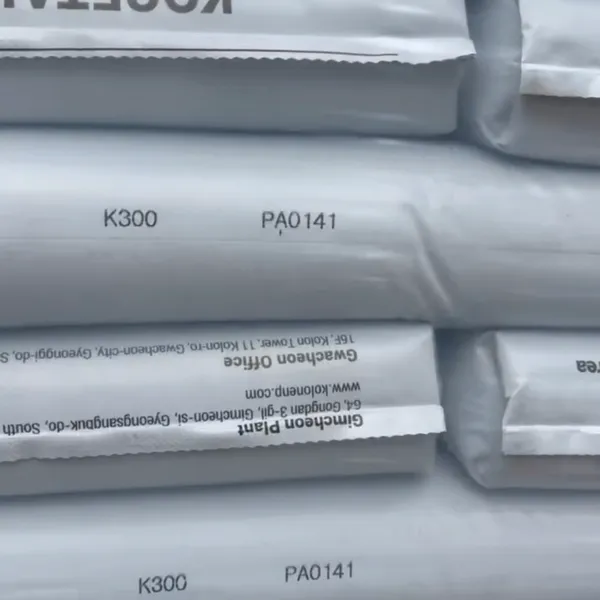
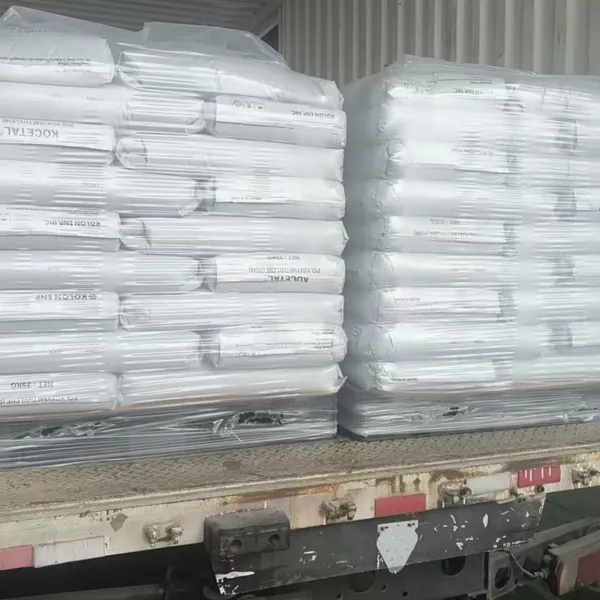
KOCETAL POM K300 Virgin Pellets For Precision Gear Bearing Automotive Latch Water Valve PartsNegotiableMOQ: 1 Kilogram
-
Original Kolon POM K300 Engineering Plastic Wear Resistant Self Lubricating Acetal GranulesNegotiableMOQ: 1 Kilogram
-
Self-Lubricating POM K300 HDT 120°C Wear Resistant Resin With 0.2% Moisture AbsorptionNegotiableMOQ: 1 Kilogram
-
POM FM090AW PTFE Filled Wear Resistant Low Friction Acetal for Silent GearsNegotiableMOQ: 1 Kilogram
-
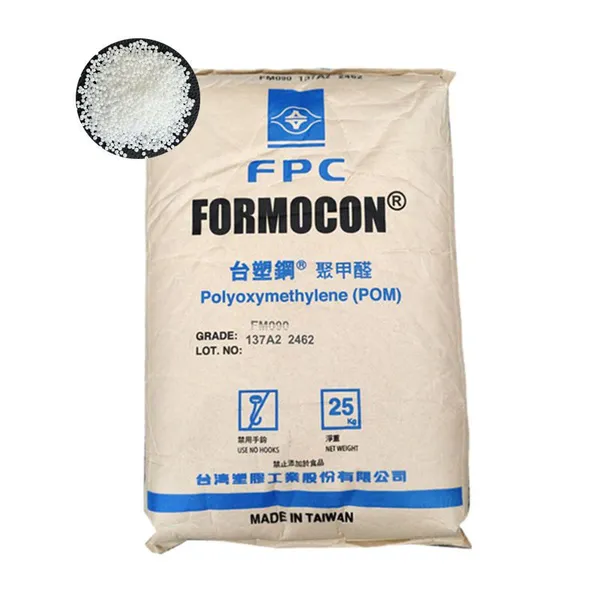
POM FM090 General Purpose Acetal Copolymer With Excellent MachinabilityNegotiableMOQ: 1 Kilogram
-
POM FM090 Standard Flow Acetal Copolymer Granules for Precision Injection MoldingNegotiableMOQ: 1 Kilogram
-
POM FM090 UV Stabilized Acetal Resin for Outdoor Automotive ComponentsNegotiableMOQ: 1 Kilogram
-
Technical Support Available POM K300 Acetal Copolymer for Precision Injection Molding ServiceNegotiableMOQ: 1 Kilogram
-
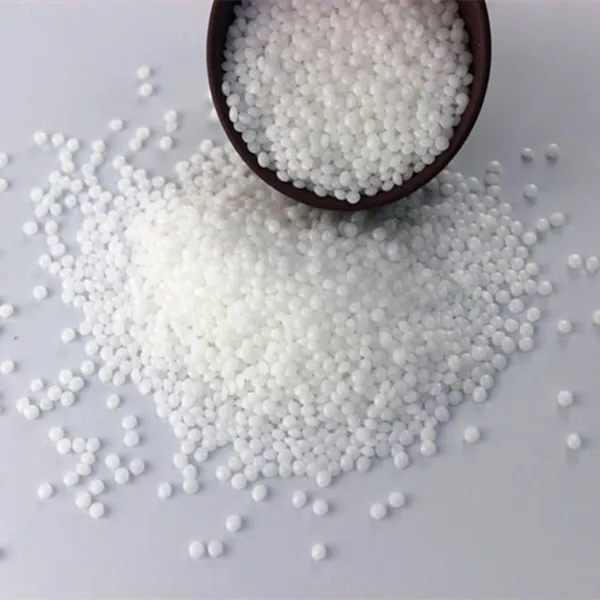
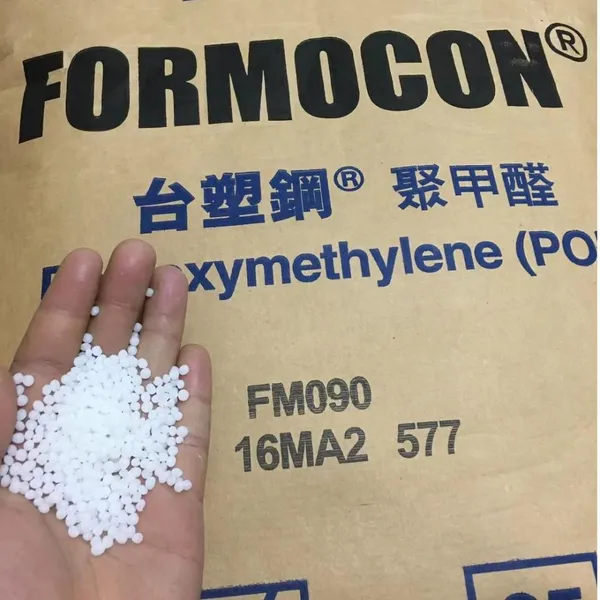
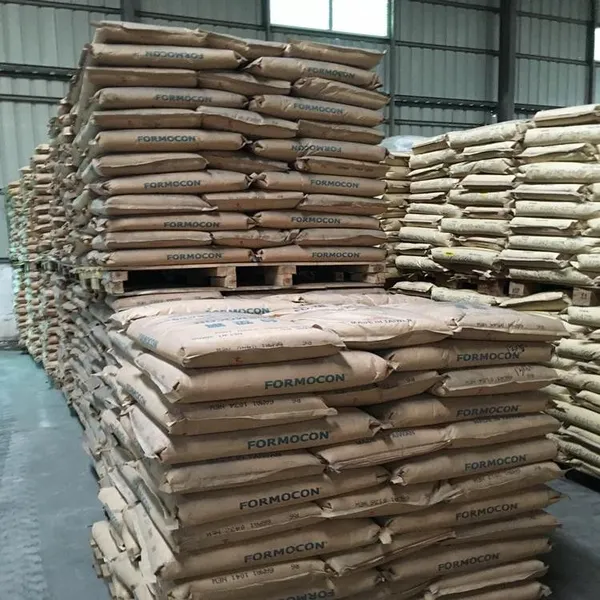
KOCETAL POM K300 Acetal Copolymer MFR 9 G/10min 1.41g/cm³ Tensile Strength 60MPaNegotiableMOQ: 1 Kilogram
-
Factory Price Polyacetal POM Resin FM090 for Engineering ApplicationsNegotiableMOQ: 1 Kilogram
-
High Strength Cheap POM FM090 UV Engineering Plastic for Automotive PartsNegotiableMOQ: 1 Kilogram
-
Virgin POM FM090 Granules Pellets Engineering Plastic Raw MaterialNegotiableMOQ: 1 Kilogram
-
POM K300 Plastic Granules 1.5% Shrinkage Rate 80 Shore D Hardness Stable Injection Molding PerformanceNegotiableMOQ: 1 Kilogram
-
Low Friction Coefficient High Dimensional Stability POM K300 Acetal Copolymer Injection Molding GradeNegotiableMOQ: 1 Kilogram

-
POM K300 Acetal Sheet Used for Automotive Gear Components and Conveyor Chains in Industrial MachineryNegotiableMOQ: 1 Kilogram
-
POM K300 Engineering Plastic Sheet With Melting Point 165°C and Excellent Wear Resistance for MachiningNegotiableMOQ: 1 Kilogram
-
POM K300 Acetal Copolymer Injection Molding Grade With Low Friction Coefficient and High Dimensional StabilityNegotiableMOQ: 1 Kilogram
-
POM K300 Polyoxymethylene Resin MFI 9 Engineering Plastic Granule for Injection MoldingNegotiableMOQ: 1 Kilogram
-
Virgin POM Granules Polyoxymethylene Pellets Manufacturer Direct Price for Injection MoldingNegotiableMOQ: 1 Kilogram