Business License

Engineering Plastics Manufacturers: How to Choose a Reliable Supply Partner
The most reliable engineering plastics manufacturers combine authorized sourcing channels, batch traceability, and technical material support to keep your production lines running. Choosing the right partner means looking beyond price to verify certifications, supplier relationships, and quality documentation before you place an order.
Last spring, a purchasing manager at a Jiangsu appliance factory accepted a quote for ABS resin that was 12% below market rate. The first two batches ran fine. By the third production run, surface finish failures jumped from 2% to 19%. The root cause was off-spec material from an unauthorized channel with no certificate of analysis.
Six weeks later, after switching to an authorized distributor with full batch documentation, their defect rate returned to normal. Their molding team finally had a technical data sheet they could trust.
If you source engineering plastics for automotive, electronics, appliances, or industrial components, you have probably faced a version of this decision. Price matters, but consistency matters more. This guide explains what engineering plastics manufacturers and distributors actually do, what capabilities separate dependable partners from risky ones, and how to evaluate suppliers before a material problem disrupts your schedule.
Key Takeaways
Engineering plastics manufacturers include both resin producers (DuPont, BASF, Polyplastics) and authorized distributors who stock, document, and deliver certified grades.
The best partners provide batch traceability, technical data sheets, and application guidance, not just the lowest price.
A broad material portfolio (POM, ABS, PC, TPU, nylon, PC/ABS) lets you consolidate suppliers and reduce procurement overhead.
Warning signs include missing documentation, unwillingness to share supplier authorization, and prices far below market rate.
Ailide Polymer sources through authorized channels and supports nationwide delivery with technical selection assistance for every batch.
What Engineering Plastics Manufacturers Actually Do
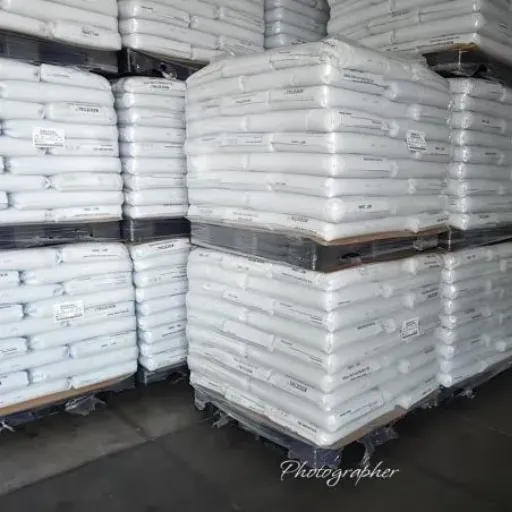
The term "engineering plastics manufacturers" covers two distinct roles in the supply chain. Understanding the difference helps you choose the right partner for your needs.
Resin producers develop and manufacture raw polymer grades. Companies like DuPont, BASF, Polyplastics, Chi Mei, and Formosa Plastics operate large-scale plants. They polymerize, compound, and pelletize materials such as POM, ABS, polycarbonate, and nylon. These producers set material specifications, publish technical data sheets, and certify each batch against defined quality standards.
Authorized distributors purchase resin directly from producers. They hold local inventory and sell smaller quantities to manufacturers who cannot meet producer minimum order quantities. A distributor like Ailide Polymer bridges the gap between global production and local demand. We warehouse certified materials, provide documentation, and offer technical guidance on grade selection.
Both roles matter. A small or medium-sized manufacturer may never buy directly from a global resin producer. Producer MOQs are often too high, and lead times too long. An authorized distributor solves that problem by making certified grades available in quantities that match production schedules. The distributor's relationship with the producer also ensures the material is authentic, traceable, and backed by the original specifications.
When you evaluate engineering plastics manufacturers for your supply chain, start by deciding what you need. Do you require direct producer access, distributor flexibility, or both? Most manufacturers benefit from a distributor relationship that offers multiple brands, faster delivery, and lower trial quantities.
Key Capabilities to Look for in a Manufacturing Partner
Not every engineering plastics supplier offers the same level of service. The following capabilities separate partners who protect your production from those who create risk.
Authorized Sourcing Relationships
A reliable partner should be able to name the resin producers they work with and explain how materials move from producer to customer. Authorized distributors receive materials through official channels, which reduces the risk of counterfeit, blended, or off-spec resin entering your supply chain. Ask for authorization documentation or supplier partnership details before committing to a large order.
Batch Traceability and Documentation
Every batch of engineering plastic should arrive with supporting documents. The minimum includes the technical data sheet (TDS), certificate of analysis (COA), and packing information that connects the material to a specific production lot. This documentation supports quality audits, failure analysis, and customer qualification requirements.
Technical Material Selection Support
Engineering plastics are not interchangeable. A POM grade that works for precision gears may fail in a fuel-system component exposed to hot hydrocarbons. A capable supplier reviews your application requirements, mechanical load, temperature, chemical exposure, and processing method, then recommends specific grades with documented performance data.
Flexible Order Quantities
Development teams need trial batches. Production teams need steady supply. Look for engineering plastics manufacturers who support both, with clear MOQs, sample availability, and scalable pricing as volumes grow.
Reliable Logistics and Nationwide Coverage
Delivery performance affects inventory, cash flow, and production continuity. Partners with nationwide distribution networks can position inventory closer to your facility and respond faster to urgent orders.
Need help selecting the right grade for your application? Contact our technical team for material recommendations based on your performance requirements.
How Authorized Distribution Protects Your Supply Chain
Material authenticity is one of the most common concerns we hear from procurement managers and quality engineers. Counterfeit or off-spec engineering plastics can cause dimensional instability, processing defects, premature part failure, and costly production stops.
Authorized distribution addresses this risk at every step. When Ailide Polymer sources POM from Polyplastics, ABS from Chi Mei, or PC from Covestro, the material travels through documented channels from the producer to our warehouse. Each batch retains its original lot identification, TDS, and COA. Customers receive the same grade the producer certified, not a relabeled or blended substitute.
Consider what happened to a Suzhou electronics manufacturer in late 2024. They needed a flame-retardant PC/ABS blend for a new router housing. A broker offered a price 15% below the authorized market rate. The first sample appeared acceptable, but production lots showed inconsistent melt flow and surface defects. After investigation, the material did not match the declared grade. The manufacturer returned to an authorized distributor, paid the market rate, and received consistent PC/ABS with full documentation. Their tooling adjustments stayed stable, and their customer qualification passed on the first attempt.
This pattern repeats across industries. The savings from unauthorized material rarely survive first contact with a quality audit or production issue. Authorized distribution costs more upfront because it reflects the real value of certified, traceable resin.
Comparing Engineering Plastics: Materials Manufacturers Should Offer
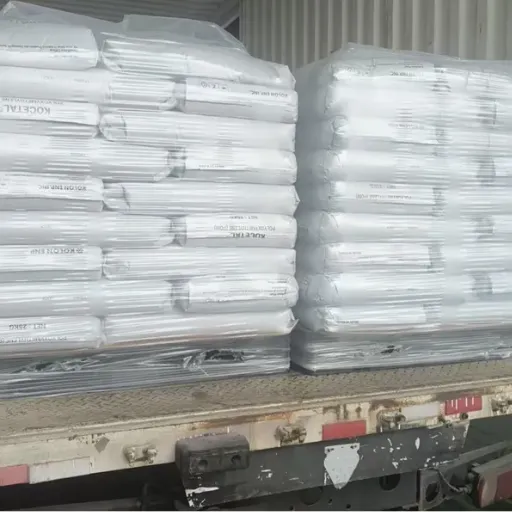
A strong manufacturing partner should carry a portfolio broad enough to cover your current and future material needs. Here are the core engineering plastics and thermoplastic elastomers most manufacturers should be able to source.
POM (Polyoxymethylene)
POM, also called acetal, delivers high stiffness, low friction, and excellent dimensional stability. It is widely used for precision gears, bearings, bushings, and automotive fuel-system components. Leading producers include Polyplastics, DuPont, and KOCETAL.
ABS (Acrylonitrile Butadiene Styrene)
ABS combines good impact strength, surface finish, and processability. It appears in appliance housings, consumer electronics, automotive interior trim, and toys. Chi Mei, Formosa Plastics, and LG Chem are major global suppliers.
PC (Polycarbonate)
Polycarbonate offers high impact resistance, optical clarity, and heat resistance. Applications include automotive lighting lenses, safety equipment, electronic housings, and transparent structural parts. Covestro, SABIC, and Teijin lead this category.
PC/ABS Blends
PC/ABS combines the heat and impact resistance of polycarbonate with the processability and surface quality of ABS. Automotive interiors, electronic housings, and laptop chassis frequently use these alloys.
Nylon / PA (Polyamide)
Nylon provides high mechanical strength, wear resistance, and fatigue resistance. PA6 and PA66 are common grades for gears, bushings, industrial components, and automotive under-hood parts. DuPont Zytel and BASF Ultramid are well-known product families.
PBT (Polybutylene Terephthalate)
PBT offers good electrical insulation, dimensional stability, and chemical resistance. Connectors, electrical housings, and automotive electronics often specify PBT grades.
TPU (Thermoplastic Polyurethane)
TPU is a flexible thermoplastic elastomer with abrasion resistance, tear strength, and rebound properties. Footwear components, cable jackets, seals, and industrial hoses commonly use TPU. LCY Chemical and BASF are recognized suppliers.
PMMA (Polymethyl Methacrylate)
PMMA, or acrylic, provides excellent optical clarity, UV resistance, and surface hardness. Lighting lenses, displays, signage, and optical applications use PMMA grades from suppliers such as Chi Mei.
Modified Plastics
Many applications need custom compounding, glass fiber reinforcement, flame retardants, UV stabilizers, or color matching. A partner with modified plastics capability can source or develop application-specific grades.
Quick Comparison of Common Engineering Plastics
| Material | Key Properties | Typical Applications | Well-Known Suppliers |
|---|---|---|---|
| POM | High stiffness, low friction, dimensional stability | Gears, bearings, bushings | Polyplastics, DuPont, KOCETAL |
| ABS | Impact strength, surface finish, processability | Appliance housings, electronics, trim | Chi Mei, Formosa Plastics |
| PC | High impact resistance, optical clarity, heat resistance | Lighting lenses, safety equipment, housings | Covestro, SABIC, Teijin |
| PC/ABS | Heat resistance plus processability | Automotive interiors, laptop chassis | Covestro, SABIC |
| Nylon / PA | Mechanical strength, wear resistance | Gears, bushings, under-hood parts | DuPont, BASF |
| PBT | Electrical insulation, dimensional stability | Connectors, electrical housings | DuPont, Polyplastics |
| TPU | Flexibility, abrasion resistance, tear strength | Footwear, cables, seals, hoses | LCY Chemical, BASF |
| PMMA | Optical clarity, UV resistance, hardness | Lighting lenses, displays, signage | Chi Mei |
This table gives a starting point for material selection.
When you review engineering plastics manufacturers, ask for their full material list. A single-source partner who covers POM, ABS, PC, TPU, nylon, and modified plastics can reduce vendor management overhead and simplify procurement.
Browse our full portfolio of POM, ABS, PC, TPU, nylon, and modified plastics on the Ailide Polymer product catalog.
Red Flags When Evaluating Engineering Plastics Manufacturers
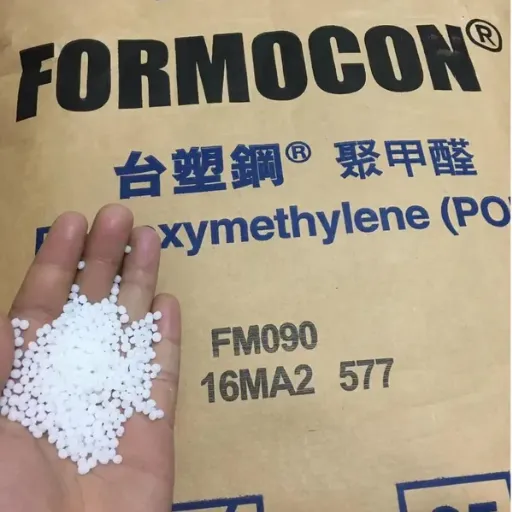
Some suppliers look professional on paper but create problems once orders arrive. Watch for these warning signs during your evaluation.
Prices Far Below Market Rate
Engineering plastics are commodity-influenced but still subject to producer pricing and distribution margins. A quote 15-20% below competitors should trigger scrutiny, not excitement. Extremely low prices often indicate blended, expired, or counterfeit material.
Missing or Vague Documentation
A legitimate supplier provides TDS, COA, and lot traceability without resistance. If a supplier delays documentation, sends generic datasheets, or cannot connect material to a specific production batch, treat it as a serious risk.
No Authorization Proof
Ask directly whether the supplier is an authorized distributor for the brands they sell. Authorization letters, partnership agreements, or producer reference contacts should be available. Vague claims like "we work with all major brands" are not proof.
Inconsistent Material Behavior
Even within the same grade code, off-spec material can show lot-to-lot variation in melt flow, color, or mechanical properties. If your process settings drift between batches despite identical grade codes, the material supply chain may be the cause.
Poor Technical Knowledge
A supplier who cannot explain the difference between PA6 and PA66, or who recommends a grade without asking about your application, is probably a trader rather than a technical partner. Material selection mistakes cost far more than a slightly higher unit price.
How Ailide Polymer Supports Manufacturers Nationwide
Ailide Polymer (Jiangsu) Co., Ltd. operates as an authorized distributor of engineering plastics, general plastics, and thermoplastic elastomers. We work with manufacturers across China who need consistent material quality, reliable delivery, and technical guidance.
Our supplier relationships include long-term cooperation with DuPont, Polyplastics, Chi Mei, Formosa Plastics, LCY Chemical, Asahi Kasei, Bayer, and BASF. These partnerships allow us to source certified grades with full documentation and batch traceability.
We stock and distribute a broad portfolio. Our materials include POM, PP, ABS, TPU, PBT, PC, PMMA, PC/ABS, nylon, and modified plastics. Customers can consolidate multiple material categories through a single partner. This reduces vendor management overhead and simplifies procurement.
Our nationwide distribution network supports delivery schedules across China. Whether you need a trial batch for product development or a high-volume production supply program, we work with you to select the right material and deliver on time. Every quoted grade includes a technical data sheet, and our technical team is available to discuss application requirements.
Ready to evaluate certified engineering plastics for your next project? Request a quote and receive a technical data sheet for your target grade.
Frequently Asked Questions
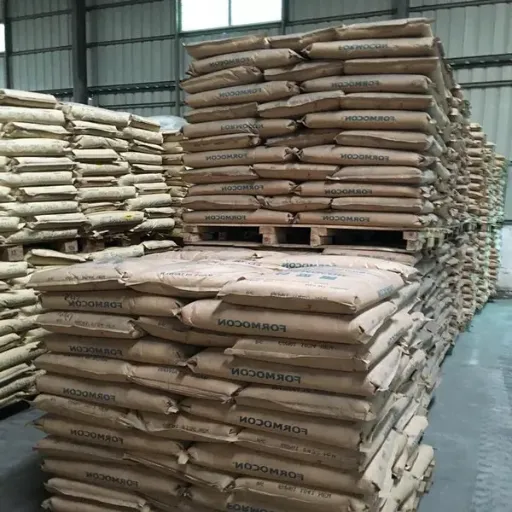
What should I look for when choosing engineering plastics manufacturers?
Look for authorized sourcing relationships, batch traceability, technical support, flexible MOQs, and reliable delivery. The best partners provide documentation for every batch and help you select grades based on application requirements.
How do I know if an engineering plastics supplier is authorized?
Ask for authorization documentation or direct references from the resin producer. Authorized distributors can usually provide letters, partnership confirmations, or producer contact verification.
What is the difference between a resin producer and a distributor?
Resin producers manufacture raw polymer grades in large volumes. Distributors purchase from producers, hold inventory, and sell smaller quantities to manufacturers with faster delivery and technical support.
Which engineering plastics are most commonly used in manufacturing?
Common engineering plastics include POM, ABS, PC, PC/ABS, nylon, PBT, PMMA, and TPU. The right choice depends on mechanical load, temperature, chemical exposure, and processing method.
Can I order small trial quantities before committing to production volumes?
Yes. Many authorized distributors offer trial batches and samples so you can validate material performance, processing behavior, and part quality before scaling to production.
Conclusion
Choosing among engineering plastics manufacturers is not simply a purchasing decision. It is a supply chain decision that affects part quality, production continuity, and customer confidence. The right partner offers more than resin. They provide authorized sourcing, technical guidance, documentation, and reliable logistics.
Start your evaluation by confirming authorization and reviewing documentation practices. Test material behavior in your application. Compare portfolios to see whether a single distributor can cover multiple material categories. Remember that the lowest quote rarely accounts for the hidden costs of off-spec material, production delays, and quality failures.
If you are looking for an authorized engineering plastics distributor in China, Ailide Polymer can help. We provide certified POM, ABS, PC, TPU, nylon, and other grades with full traceability and nationwide delivery. Contact our team to discuss your material requirements or request a quote today.
Recently Posted
-
ABS in Automotive Interiors: From Dashboards to Door Panels
September 2, 2026A tier-two supplier once substituted a general-purpose ABS for an automotive-grade ABS on a door trim component to save 4% on resi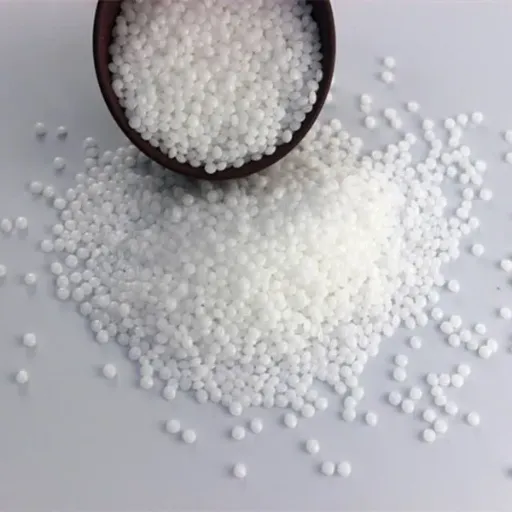 Read More
 -
ABS Flame Retardant Grades and UL 94 Ratings Explained: A Practical Guide for Buyers and Designers
September 2, 2026An electronics manufacturer once submitted a power-supply housing molded from standard ABS to a safety certification test. The mat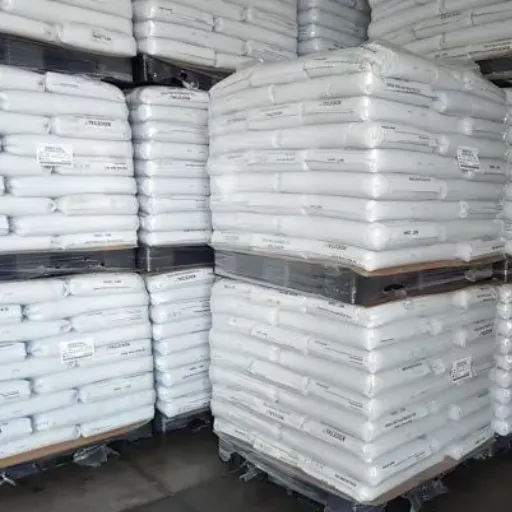 Read More
 -
KOCETAL K300 vs Formosa FM090 vs DURACON M90: Picking the Right Medium-Viscosity POM
September 2, 2026A gear shop in India once ordered a container of acetal copolymer based on a 5% price discount, without checking whether the grade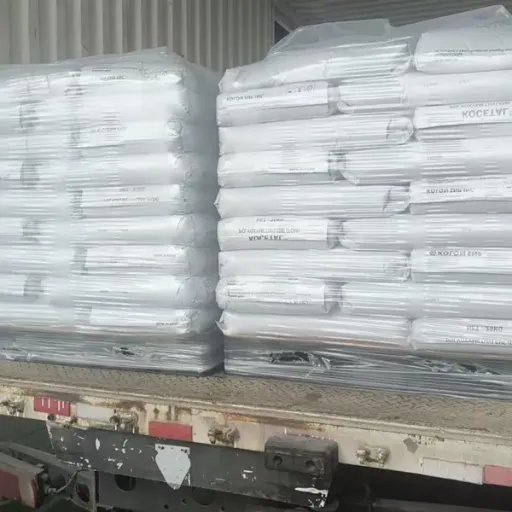 Read More
 -
PP vs PE: Which Polyolefin Resin Fits Your Application?
September 2, 2026A bottle manufacturer once chose HDPE for a hot-fill juice container and watched the bottles distort on the filling line. The mate Read More

Contact Us
Recommended Products
-
 Automotive Interior Clip and Door Lock POM K300 Injection Molding Material With Low FrictionNegotiableMOQ: 1 Kilogram
 -
KOCETAL POM K300 Virgin Pellets For Precision Gear Bearing Automotive Latch Water Valve PartsNegotiableMOQ: 1 Kilogram
-
Original Kolon POM K300 Engineering Plastic Wear Resistant Self Lubricating Acetal GranulesNegotiableMOQ: 1 Kilogram
-
Self-Lubricating POM K300 HDT 120°C Wear Resistant Resin With 0.2% Moisture AbsorptionNegotiableMOQ: 1 Kilogram
-
POM FM090AW PTFE Filled Wear Resistant Low Friction Acetal for Silent GearsNegotiableMOQ: 1 Kilogram
-
POM FM090 General Purpose Acetal Copolymer With Excellent MachinabilityNegotiableMOQ: 1 Kilogram
-
POM FM090 Standard Flow Acetal Copolymer Granules for Precision Injection MoldingNegotiableMOQ: 1 Kilogram
-
POM FM090 UV Stabilized Acetal Resin for Outdoor Automotive ComponentsNegotiableMOQ: 1 Kilogram
-
Technical Support Available POM K300 Acetal Copolymer for Precision Injection Molding ServiceNegotiableMOQ: 1 Kilogram
-
KOCETAL POM K300 Acetal Copolymer MFR 9 G/10min 1.41g/cm³ Tensile Strength 60MPaNegotiableMOQ: 1 Kilogram
-
Factory Price Polyacetal POM Resin FM090 for Engineering ApplicationsNegotiableMOQ: 1 Kilogram
-
High Strength Cheap POM FM090 UV Engineering Plastic for Automotive PartsNegotiableMOQ: 1 Kilogram
-
Virgin POM FM090 Granules Pellets Engineering Plastic Raw MaterialNegotiableMOQ: 1 Kilogram
-
POM K300 Plastic Granules 1.5% Shrinkage Rate 80 Shore D Hardness Stable Injection Molding PerformanceNegotiableMOQ: 1 Kilogram
-
Low Friction Coefficient High Dimensional Stability POM K300 Acetal Copolymer Injection Molding GradeNegotiableMOQ: 1 Kilogram

-
POM K300 Acetal Sheet Used for Automotive Gear Components and Conveyor Chains in Industrial MachineryNegotiableMOQ: 1 Kilogram
-
POM K300 Engineering Plastic Sheet With Melting Point 165°C and Excellent Wear Resistance for MachiningNegotiableMOQ: 1 Kilogram
-
POM K300 Acetal Copolymer Injection Molding Grade With Low Friction Coefficient and High Dimensional StabilityNegotiableMOQ: 1 Kilogram
-
POM K300 Polyoxymethylene Resin MFI 9 Engineering Plastic Granule for Injection MoldingNegotiableMOQ: 1 Kilogram
-
Virgin POM Granules Polyoxymethylene Pellets Manufacturer Direct Price for Injection MoldingNegotiableMOQ: 1 Kilogram