Business License

Engineering Plastics Applications: A Manufacturer's Guide to High-Performance Materials
Engineering plastics applications span automotive, electronics, appliance, and industrial sectors where mechanical strength, heat resistance, dimensional stability, and chemical resistance matter more than cost alone. The right grade depends on the load, temperature, environment, and processing method your application demands.
What happens when a material choice looks fine on paper but fails in production? A design team at a Jiangsu electronics manufacturer recently switched to a lower-cost ABS grade for a new router housing. Within three months, the parts showed surface cracking during drop testing.
The team had to retool, delaying the product launch by six weeks. The problem was not the material family, it was the wrong grade for the impact and environmental requirements. This is why understanding engineering plastics applications at a practical level saves time, cost, and reputation.
This guide maps the most common engineering plastics applications by industry and explains how to match materials such as POM, ABS, PC, TPU, and nylon to real production demands. You will learn which properties matter for each use case, where substitution makes sense, and how to source materials that perform consistently.
Key Takeaways
POM and PA (nylon) are the leading choices for precision gears, bearings, and bushings that need wear resistance and low friction.
ABS and PC/ABS dominate appliance housings and electronics enclosures because they balance impact strength, surface finish, and processability.
Polycarbonate (PC) and PMMA are preferred for optical and transparent components in lighting, displays, and safety equipment.
TPU is the go-to thermoplastic elastomer for seals, cables, footwear, and flexible industrial components.
Material selection should combine application requirements, processing method, and supplier documentation, not just unit price.
What Are Engineering Plastics?
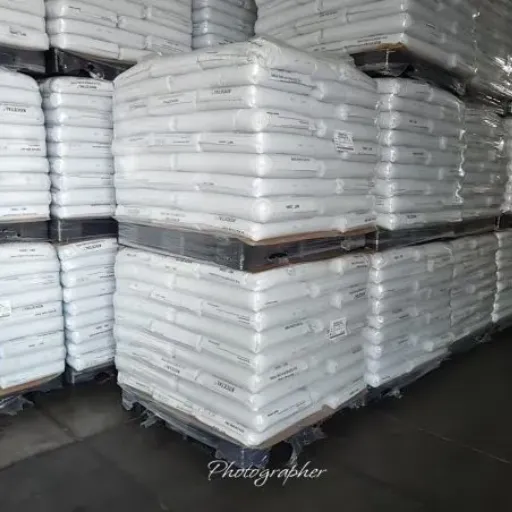
Engineering plastics are thermoplastic polymers with mechanical and thermal properties strong enough to replace metal, glass, or ceramics in demanding parts. According to the Plastics Industry Association, plastics continue to replace traditional materials in transportation, packaging, and industrial equipment because they reduce weight and enable complex geometries. Unlike commodity plastics such as polyethylene (PE) or general-purpose polypropylene (PP), engineering plastics are selected for performance under load, temperature, and chemical exposure.
Typical engineering plastics operate across wide temperature windows. POM grades commonly serve parts from -40°C to 100°C. Polycarbonate retains impact resistance below freezing. Nylon and PBT handle elevated temperatures in under-hood and electrical applications. These ranges are guidelines; always confirm values on the technical data sheet for your specific grade.
Common engineering plastics include polyoxymethylene (POM), acrylonitrile butadiene styrene (ABS), polycarbonate (PC), polybutylene terephthalate (PBT), polyamide (PA or nylon), and polymethyl methacrylate (PMMA). Thermoplastic elastomers such as thermoplastic polyurethane (TPU) also fall into this category when flexibility, abrasion resistance, and fatigue life are critical.
The defining feature of engineering plastics is their application-specific behavior. A grade chosen for an automotive fuel-system component is evaluated differently from one chosen for an appliance housing. Manufacturers need more than a resin name; they need a grade that matches the operating environment, processing window, and quality standards of the final product.
At Ailide Polymer, we distribute certified grades of POM, PP, ABS, TPU, PBT, PC, PMMA, PC/ABS, nylon, and modified plastics from globally recognized suppliers. If you need help matching a grade to your application, contact our technical team for material selection support.
Automotive Applications of Engineering Plastics
Automotive engineering plastics must withstand vibration, temperature cycling, fuels, oils, and UV exposure. The industry has shifted from metal to plastics for weight reduction, cost efficiency, and design freedom.
Under-Hood and Fuel-System Components
POM applications include fuel-system parts, sensors, and connectors. POM offers excellent dimensional stability, low moisture absorption, and resistance to fuels and oils. PBT provides good electrical insulation and heat resistance, making it suitable for connectors and housings near the engine.
For precision mechanical parts, POM materials from suppliers such as Polyplastics and DuPont are commonly specified. Their consistent batch quality helps automotive suppliers meet tight tolerances and long-term durability requirements.
Interior and Exterior Trim
ABS and PC/ABS blends are standard materials for dashboard components, interior trim, and exterior mirror housings. PC/ABS combines the heat resistance and impact strength of polycarbonate with the processability and surface finish of ABS. This blend is especially valuable for parts that must look good and survive temperature extremes inside a parked vehicle.
Lighting and Transparent Parts
Polycarbonate applications include headlamp lenses, tail light covers, and interior lighting because the material combines optical clarity with high impact resistance. PMMA is also used for lighting applications where UV resistance and long-term clarity are priorities.
When Chen Wei, a purchasing manager at a Zhejiang automotive supplier, needed to qualify a new PC/ABS grade for an interior panel, his first step was not to compare prices. He requested the technical data sheet, reviewed heat deflection temperature, and asked for a trial batch for injection molding validation. The result was a grade that processed cleanly on his existing tooling and passed the OEM's impact tests. This is how automotive material selection should work: specifications first, then price.
For automotive plastics solutions, including PC/ABS and POM grades, explore our automotive solutions page.
Electronics and Electrical Applications
Engineering plastics in electronics must deliver electrical insulation, flame retardancy, dimensional stability, and a clean surface finish. The wrong grade can cause short circuits, warping, or cosmetic defects.
Housings and Enclosures
ABS and PC/ABS are the workhorses for consumer electronics housings, including laptops, routers, monitors, and power tools. ABS provides excellent impact strength and surface finish for painting or plating. PC/ABS adds heat resistance for devices that generate more thermal load, such as chargers and power supplies.
For flame-retardant applications, manufacturers often specify modified ABS or PC/ABS blends with UL94 V-0 ratings. These grades are essential for connectors, sockets, and internal components where safety standards are strict.
Connectors and Insulators
PBT and nylon are common for electrical connectors because they offer a balance of dielectric strength, heat resistance, and dimensional stability. Glass-filled grades improve rigidity and reduce creep under load. The key selection factors include comparative tracking index (CTI), heat deflection temperature, and moisture absorption.
Nylon absorbs moisture, which can affect electrical properties and dimensions. For high-humidity environments, PBT or low-moisture PA grades are often the safer choice. PBT resin grades are available for connector and electrical housing applications through Ailide Polymer's supplier network.
Displays and Optical Components
PMMA and polycarbonate are used in displays, light guides, and optical lenses. PMMA offers superior optical clarity and UV resistance. PC offers higher impact resistance at the cost of some optical purity. The choice depends on whether the priority is scratch resistance, impact safety, or light transmission.
If you are developing electronics housings or connectors, our electronics and electrical solutions page lists suitable materials and grades.
Appliance and Consumer Goods Applications
Appliance manufacturers need materials that look good, resist impact, and process efficiently in high volumes. ABS and polypropylene dominate this segment, but engineering plastics add value where heat, strength, or aesthetics matter.
Appliance Housings and Panels
ABS plastic uses include refrigerator liners, vacuum cleaner housings, and small appliance bodies. ABS is the leading material for these parts because it can be molded with smooth surfaces, accepts color well, and provides enough impact resistance for everyday handling. For parts near heat sources, such as coffee maker housings or hair dryer bodies, heat-resistant ABS or PC/ABS blends are preferred.
At a Guangdong appliance factory, the product team switched from a standard ABS to a higher-impact ABS grade for a new blender housing. The change added roughly 8% to material cost but reduced breakage during drop testing by 40%. The savings in warranty claims and returns far exceeded the material increase. This is a typical engineering plastics trade-off: invest in the right grade to protect downstream quality.
Transparent and Decorative Parts
PMMA and transparent PC are used for appliance windows, display covers, and decorative panels. PMMA is preferred for its scratch resistance and glass-like appearance. PC is used where impact safety is required, such as food processor lids and safety guards.
For appliance projects, ABS resin and polycarbonate materials are available through Ailide Polymer's appliance solutions.
Ready to validate a grade for your appliance project? Request a quote and technical data sheet for ABS, PC/ABS, or PMMA grades.
Industrial and Machinery Applications
Industrial equipment places heavy demands on wear resistance, fatigue life, and chemical resistance. Engineering plastics often replace metal in gears, bearings, bushings, rollers, and housings.
Gears, Bearings, and Bushings
Nylon plastic applications include heavily loaded bushings, wear pads, and structural parts that need high strength and fatigue resistance. POM offers low friction, high stiffness, and excellent dimensional stability. It is widely used for precision gears, conveyor rollers, and sliding bearings.
The choice between POM and nylon often comes down to moisture and load. Nylon absorbs water, which can cause dimensional changes in wet environments. POM is more stable in humid conditions but may have lower impact toughness than nylon.
For applications where both materials are candidates, a side-by-side trial under actual operating conditions is the best guide.
Our nylon grades and POM materials are used by manufacturers across industrial machinery, automotive, and consumer goods sectors.
Seals, Hoses, and Flexible Components
TPU material uses include industrial seals, gaskets, hoses, and cable jackets. TPU is the leading thermoplastic elastomer for these parts because it combines rubber-like flexibility with the processing ease of thermoplastics. TPU grades vary widely in hardness, chemical resistance, and hydrolysis stability, so application requirements must be matched to the specific grade.
For example, an ether-based TPU is often preferred for hydrolysis resistance in water-contact applications, while an ester-based TPU may offer better abrasion resistance for cable jackets and footwear. TPU materials from suppliers such as LCY Chemical are available for these applications through Ailide Polymer.
Structural and Protective Parts
Glass-filled nylon, PBT, and modified plastics are used for structural brackets, pump housings, and protective guards. Glass fiber reinforcement increases stiffness, creep resistance, and dimensional stability. Flame-retardant and UV-stabilized grades extend the range of outdoor and safety-critical applications.
For industrial machinery material selection, visit our industrial solutions page.
Material Selection for Specific Engineering Plastics Applications
Choosing the right engineering plastic requires more than comparing a property table. The best selection process connects application requirements, processing method, and quality documentation.
Define the Operating Environment
Start with the mechanical load, temperature range, chemical exposure, and environmental conditions. Will the part see impact, wear, fatigue, or static load? Will it operate at high temperature, outdoors, or in contact with oil, fuel, or water? These factors narrow the candidate list quickly.
Match Properties to Requirements
Use material properties to screen candidates. The table below matches common engineering plastics to their strengths and typical uses.
| Material | Key Properties | Common Applications |
|---|---|---|
| POM | Low friction, wear resistance, dimensional stability | Gears, bearings, fuel-system parts |
| ABS | Impact strength, surface finish, processability | Appliance housings, electronics enclosures |
| PC | High impact strength, optical clarity, heat resistance | Headlamp lenses, safety equipment, displays |
| PC/ABS | Balanced impact, heat, and processability | Automotive interiors, electronic housings |
| PBT | Electrical insulation, dimensional stability | Connectors, electrical housings |
| Nylon / PA | High strength, wear resistance, fatigue resistance | Bushings, wear pads, structural parts |
| PMMA | Optical clarity, UV resistance, scratch resistance | Lighting lenses, displays, signage |
| TPU | Flexibility, abrasion resistance, tear strength | Seals, cables, hoses, footwear |
Consider Processing Method
Most engineering plastics are injection molded, but extrusion, blow molding, and 3D printing are also common. The material must flow well in your process and tool geometry. Plastics Technology publishes practical guidance on drying, molding, and troubleshooting engineering plastics. Some grades require drying before processing. PBT and nylon, for example, are moisture-sensitive and must be dried to avoid hydrolysis during molding.
Verify Documentation and Traceability
For production parts, demand a technical data sheet (TDS) and certificate of analysis (COA) for every batch. Authorized distributors provide documentation that supports supplier audits, quality control, and regulatory compliance. This is especially important for automotive, medical, and export-oriented manufacturers.
At Ailide Polymer, we supply materials with full documentation and batch traceability. Learn more about our quality assurance and technical support processes.
Need help selecting a grade? Contact our technical team to review your application requirements and receive a material recommendation.
Sourcing Engineering Plastics for Demanding Applications
Material performance depends on authenticity and consistency. Off-spec or counterfeit resin can cause failures even when the grade name is correct. This is why sourcing from an authorized distributor matters for engineering plastics applications.
Authorized Distribution Reduces Risk
Ailide Polymer maintains long-term cooperative relationships with DuPont, Polyplastics, Chi Mei, Formosa Plastics, LCY Chemical, Asahi Kasei, Bayer, and BASF. These partnerships mean customers receive materials through authorized channels, with proper documentation and batch traceability. This protects against counterfeit resin and supports quality assurance programs.
Nationwide Distribution Supports Production Schedules
Stable logistics and nationwide coverage help manufacturers maintain production continuity. Delays in raw material delivery can idle injection molding lines and disrupt customer commitments. A reliable distributor with local stock and responsive service reduces that risk.
Flexible Order Quantities
Whether you need a trial batch for material validation or a high-volume production supply program, order quantities can be adjusted to your stage. Trial batches allow engineers to test processing behavior and part performance before committing to full production. This is especially valuable when switching grades or qualifying a new supplier.
For a complete view of our material portfolio, visit our product catalog or request a quote for the grades you are evaluating.
Frequently Asked Questions
What are the most common engineering plastics applications?
The most common applications include automotive under-hood components, electrical connectors, appliance housings, industrial gears and bearings, and electronic enclosures. Each application demands specific properties such as heat resistance, impact strength, wear resistance, or electrical insulation.
How do I choose between POM and nylon for a wear part?
POM offers lower friction and better dimensional stability in humid environments. Nylon provides higher toughness and fatigue resistance but absorbs moisture. Test both materials under actual load and environmental conditions if the choice is not obvious from the property data.
Why is PC/ABS used for automotive interiors?
PC/ABS blends combine the heat resistance and impact strength of polycarbonate with the processability and surface finish of ABS. This makes them ideal for dashboard components, trim, and housings that must withstand temperature cycling and minor impacts while maintaining a clean appearance.
Can engineering plastics replace metal parts?
Yes, in many applications. Engineering plastics can reduce weight, corrosion, and assembly cost. However, replacement requires careful analysis of load, temperature, wear, and long-term creep. Some applications still require metal inserts or hybrid designs.
What documents should I request when sourcing engineering plastics?
Request a technical data sheet (TDS), certificate of analysis (COA), and batch traceability information. These documents support quality control, supplier audits, and regulatory compliance. Authorized distributors provide them as standard practice.
Conclusion
Engineering plastics applications span nearly every manufacturing sector, from automotive fuel systems to electronics housings and industrial wear parts. The right material depends on a clear understanding of mechanical, thermal, chemical, and environmental demands. Grades that look similar on paper can perform very differently in production, which is why testing, documentation, and supplier qualification matter.
For manufacturers in China and export markets, sourcing through an authorized distributor adds a layer of protection against counterfeit or off-spec materials. Ailide Polymer supports customers with certified engineering plastics, material selection guidance, and nationwide delivery.
If you are evaluating materials for a new project, contact us or request a quote for POM, ABS, PC, PC/ABS, TPU, PBT, nylon, PMMA, and modified plastics. Our technical team will help you match the right grade to your application.
Recently Posted
-
ABS in Automotive Interiors: From Dashboards to Door Panels
September 2, 2026A tier-two supplier once substituted a general-purpose ABS for an automotive-grade ABS on a door trim component to save 4% on resi Read More
 -
ABS Flame Retardant Grades and UL 94 Ratings Explained: A Practical Guide for Buyers and Designers
September 2, 2026An electronics manufacturer once submitted a power-supply housing molded from standard ABS to a safety certification test. The mat Read More
 -
KOCETAL K300 vs Formosa FM090 vs DURACON M90: Picking the Right Medium-Viscosity POM
September 2, 2026A gear shop in India once ordered a container of acetal copolymer based on a 5% price discount, without checking whether the grade Read More
 -
PP vs PE: Which Polyolefin Resin Fits Your Application?
September 2, 2026A bottle manufacturer once chose HDPE for a hot-fill juice container and watched the bottles distort on the filling line. The mate Read More

Contact Us
Recommended Products
-
 Automotive Interior Clip and Door Lock POM K300 Injection Molding Material With Low FrictionNegotiableMOQ: 1 Kilogram
 -
KOCETAL POM K300 Virgin Pellets For Precision Gear Bearing Automotive Latch Water Valve PartsNegotiableMOQ: 1 Kilogram
-
Original Kolon POM K300 Engineering Plastic Wear Resistant Self Lubricating Acetal GranulesNegotiableMOQ: 1 Kilogram
-
Self-Lubricating POM K300 HDT 120°C Wear Resistant Resin With 0.2% Moisture AbsorptionNegotiableMOQ: 1 Kilogram
-
POM FM090AW PTFE Filled Wear Resistant Low Friction Acetal for Silent GearsNegotiableMOQ: 1 Kilogram
-
POM FM090 General Purpose Acetal Copolymer With Excellent MachinabilityNegotiableMOQ: 1 Kilogram
-
POM FM090 Standard Flow Acetal Copolymer Granules for Precision Injection MoldingNegotiableMOQ: 1 Kilogram
-
POM FM090 UV Stabilized Acetal Resin for Outdoor Automotive ComponentsNegotiableMOQ: 1 Kilogram
-
Technical Support Available POM K300 Acetal Copolymer for Precision Injection Molding ServiceNegotiableMOQ: 1 Kilogram
-
KOCETAL POM K300 Acetal Copolymer MFR 9 G/10min 1.41g/cm³ Tensile Strength 60MPaNegotiableMOQ: 1 Kilogram
-
Factory Price Polyacetal POM Resin FM090 for Engineering ApplicationsNegotiableMOQ: 1 Kilogram
-
High Strength Cheap POM FM090 UV Engineering Plastic for Automotive PartsNegotiableMOQ: 1 Kilogram
-
Virgin POM FM090 Granules Pellets Engineering Plastic Raw MaterialNegotiableMOQ: 1 Kilogram
-
POM K300 Plastic Granules 1.5% Shrinkage Rate 80 Shore D Hardness Stable Injection Molding PerformanceNegotiableMOQ: 1 Kilogram
-
Low Friction Coefficient High Dimensional Stability POM K300 Acetal Copolymer Injection Molding GradeNegotiableMOQ: 1 Kilogram

-
POM K300 Acetal Sheet Used for Automotive Gear Components and Conveyor Chains in Industrial MachineryNegotiableMOQ: 1 Kilogram
-
POM K300 Engineering Plastic Sheet With Melting Point 165°C and Excellent Wear Resistance for MachiningNegotiableMOQ: 1 Kilogram
-
POM K300 Acetal Copolymer Injection Molding Grade With Low Friction Coefficient and High Dimensional StabilityNegotiableMOQ: 1 Kilogram
-
POM K300 Polyoxymethylene Resin MFI 9 Engineering Plastic Granule for Injection MoldingNegotiableMOQ: 1 Kilogram
-
Virgin POM Granules Polyoxymethylene Pellets Manufacturer Direct Price for Injection MoldingNegotiableMOQ: 1 Kilogram