Business License

Types of Engineering Plastics: A Complete Guide for Manufacturers
The main types of engineering plastics include polyoxymethylene (POM), acrylonitrile butadiene styrene (ABS), polycarbonate (PC), polyamide (nylon/PA), polybutylene terephthalate (PBT), polymethyl methacrylate (PMMA), thermoplastic polyurethane (TPU), and PC/ABS blends. Each type offers a distinct balance of mechanical strength, heat resistance, chemical resistance, and processability for demanding industrial applications.
What if the resin you specified on paper performed perfectly in testing but failed six months into production because the grade could not handle your factory's humidity? This scenario is more common than most procurement teams expect. Engineering plastics look similar on a technical data sheet, yet small differences in molecular structure create large differences in real-world performance.
You already know that commodity plastics like polyethylene (PE) and polypropylene (PP) work well for packaging and low-stress parts. You also know that metal is not always the answer when weight, insulation, or molding complexity matters. In this guide, you will learn how the major types of engineering plastics differ, where each one excels, and what to check before placing your next material order. Whether you source through Ailide Polymer or another distributor, this information will help you ask sharper questions and reduce sourcing risk.
Key Takeaways
Engineering plastics are thermoplastic resins with mechanical or thermal properties superior to commodity plastics, typically used above 100 °C or under structural load.
POM, ABS, PC, PA, PBT, PMMA, TPU, and PC/ABS represent the most common categories sourced by Chinese manufacturers for automotive, electronics, appliance, and industrial applications.
Material selection depends on four factors: mechanical load, temperature exposure, chemical environment, and processing method.
Authorized distributors provide batch traceability, technical data sheets (TDS), and certificates of analysis that protect against counterfeit or off-spec resin.
Ailide Polymer supplies certified grades across all major engineering plastic categories with nationwide distribution and technical selection support.
What Makes a Plastic an "Engineering Plastic"?
Engineering plastics are thermoplastic polymers formulated to perform under loads, temperatures, or chemical exposures that would deform or degrade commodity plastics. The term is not strictly scientific, but in procurement it generally means a resin with higher tensile strength, better dimensional stability, improved heat resistance, or superior wear properties than basic polyolefins.
Most engineering plastics share three traits. First, they maintain mechanical performance at elevated temperatures. Many grades operate continuously above 80-120 °C. Second, they resist creep, the slow deformation that occurs when a plastic part carries load for a long time. Third, they can be precision-molded or machined to tight tolerances, which is why they replace metal in gears, bearings, housings, and connectors.
The boundary between commodity and engineering plastics is not always fixed. Some grades of PP, for example, are reinforced with glass fiber and perform like engineering materials. Conversely, an unfilled ABS may be classified as a general-purpose plastic in some markets. The classification usually depends on the application, not just the resin name.
Pro Tip: Always match the grade to the application, not the category to the brochure. A "POM" label alone does not tell you whether the grade is homopolymer or copolymer, which affects chemical resistance and processing window.
Common Types of Engineering Plastics and Their Properties
The following categories cover the majority of engineering plastics used in Chinese manufacturing today. Each section explains the chemistry, key properties, and typical applications so you can compare options quickly.
Polyoxymethylene (POM)
Polyoxymethylene, also called acetal, is a high-crystallinity thermoplastic known for low friction, excellent dimensional stability, and high stiffness. It is one of the first materials engineers consider when a metal part needs to be replaced with plastic.
Key properties:
High stiffness and fatigue resistance
Low coefficient of friction
Excellent dimensional stability
Good resistance to solvents and fuels
Limited resistance to strong acids and bases
POM is widely used in precision gears, bearings, bushings, conveyor links, automotive fuel-system components, and snap-fit assemblies. POM grades from suppliers like Polyplastics and DuPont are available in homopolymer and copolymer forms. Homopolymers such as Delrin offer slightly higher mechanical properties, while copolymers provide better chemical resistance and easier processing.
When Lin, a tooling engineer at a Jiangsu automotive supplier, switched a metal fuel-valve bushing to a POM copolymer grade, the part weight dropped by 60% and the assembly eliminated secondary machining. The key was selecting a grade with the right melt flow index for the thin-wall geometry.
Acrylonitrile Butadiene Styrene (ABS)
ABS is a terpolymer that combines the strength and rigidity of acrylonitrile, the toughness of butadiene rubber, and the processability of styrene. It offers an attractive balance of impact strength, surface finish, and cost.
Key properties:
Good impact strength at room temperature
Excellent surface finish for painting or plating
Easy injection molding
Moderate heat resistance (typically up to 80-100 °C)
Good dimensional stability
ABS appears in appliance housings, consumer electronics enclosures, automotive interior trim, luggage, and toys. Because it accepts colorants and surface treatments well, it is a favorite for visible parts. ABS resin from Chi Mei and Formosa Plastics are common choices in the Chinese market.
For housings that need higher heat resistance or flame retardancy, ABS is often alloyed with PC to create PC/ABS blends.
Polycarbonate (PC)
Polycarbonate is best known for its outstanding impact strength and optical clarity. It is roughly 250 times more impact-resistant than glass of the same thickness and remains tough over a wide temperature range.
Key properties:
Exceptional impact resistance
High optical clarity
Good heat resistance (up to 120-140 °C for some grades)
Excellent electrical insulation
Susceptible to scratching and certain solvents
PC is used in automotive lighting lenses, safety goggles, electrical housings, medical devices, and transparent covers. Bayer (Covestro) and SABIC are major global suppliers. When transparency and toughness are both required, few materials compete with polycarbonate.
Polyamide / Nylon (PA)
Polyamide, commonly called nylon, is a family of polymers characterized by high mechanical strength, wear resistance, and fatigue resistance. PA6 and PA66 are the most common engineering grades, with PA66 offering higher heat resistance and PA6 providing better surface finish and impact resistance.
Key properties:
High tensile and flexural strength
Excellent wear and abrasion resistance
Good fatigue resistance
High moisture absorption, which affects dimensions and properties
Good chemical resistance to oils and fuels
Nylon is used in gears, bearings, bushings, cable ties, automotive under-hood components, and industrial machine parts. Because nylon absorbs moisture from the air, parts designed for tight tolerances must be conditioned and measured after moisture equilibrium is reached. DuPont Zytel grades are a well-known option for nylon applications.
Polybutylene Terephthalate (PBT)
PBT is a semi-crystalline polyester valued for its dimensional stability, electrical insulation, and resistance to chemicals and heat. It fills a niche between lower-cost general plastics and higher-performance materials like polyamide.
Key properties:
Good dimensional stability
Excellent electrical insulation properties
Resistance to oils, solvents, and fuels
Low moisture absorption compared to nylon
Good surface finish for connectors and housings
PBT is widely used in electrical connectors, ignition system components, sensor housings, and circuit breaker parts. Its low moisture uptake makes it a strong alternative to nylon in humid environments. PBT resin from Polyplastics and BASF is commonly specified in automotive electronics.
Polymethyl Methacrylate (PMMA)
PMMA, better known as acrylic, offers excellent optical clarity, UV resistance, and surface hardness. It is lighter and more impact-resistant than glass, though less tough than polycarbonate.
Key properties:
High optical clarity (light transmission above 92%)
Excellent weather and UV resistance
Good surface hardness and scratch resistance
Brittle compared to PC; lower impact resistance
Easy to polish and bond
PMMA is used in lighting lenses, display panels, signage, automotive tail-light covers, and optical devices. For applications where scratch resistance matters more than extreme toughness, PMMA is often preferred over PC.
Engineering Plastic Alloys and Blends
Blending two or more polymers allows manufacturers to balance properties that no single resin delivers on its own. The most important blend for Chinese manufacturers is PC/ABS.
PC/ABS Blend
PC/ABS combines the heat resistance and impact strength of polycarbonate with the processability and surface quality of ABS. The ratio of PC to ABS can be adjusted to emphasize toughness, heat resistance, or cost.
Key properties:
High heat deflection temperature
Excellent impact strength, even at low temperatures
Good processability for complex geometries
Attractive surface finish for painting or plating
Lower density than pure PC
PC/ABS is widely used in automotive instrument panels, interior trim, laptop housings, television bezels, and power-tool enclosures. PC/ABS blends from Chi Mei and Covestro are common choices when a part must survive both impact and elevated temperatures.
When a Guangdong electronics manufacturer moved a monitor housing from ABS to PC/ABS, the part passed drop tests that had previously caused cracking. The material cost increased, but warranty returns fell by more than 40%.
Thermoplastic Elastomers: TPU and TPE
Thermoplastic elastomers combine the flexibility of rubber with the processability of thermoplastics. They can be injection-molded, extruded, and recycled like plastics while providing elasticity and grip.
Thermoplastic Polyurethane (TPU)
TPU is the most widely used engineering-grade elastomer. It offers excellent abrasion resistance, tear strength, and flexibility across a wide hardness range, typically measured on the Shore A and Shore D scales.
Key properties:
High abrasion and wear resistance
Excellent tensile and tear strength
Good oil and grease resistance
Wide hardness range (Shore 60A to 85D)
Good transparency in some grades
TPU is used in footwear soles, cable jackets, seals, gaskets, hoses, phone cases, and industrial belts. TPU materials from LCY Chemical and BASF are common in the Chinese market. For buyers comparing elastomers, TPU generally offers better mechanical properties than generic TPEs, while TPEs can be more cost-effective for lower-performance parts.
Modified and Specialty Engineering Plastics
Standard engineering plastics can be enhanced with fillers, reinforcements, flame retardants, and impact modifiers to meet specific application requirements. These modified grades are not separate polymer families but are critical to understand because they often outperform base resins in targeted applications.
Common modifications include:
Glass fiber reinforcement: Increases stiffness, strength, and heat resistance; used in nylon, PBT, and PP.
Flame retardants: Required for electrical housings and appliance components to meet UL94 V-0 ratings.
UV stabilizers: Essential for outdoor parts exposed to sunlight.
Impact modifiers: Improve toughness in materials that are naturally brittle.
Color matching: Ensures consistent appearance across production batches.
A procurement team at an appliance factory in Zhejiang learned this lesson when a standard ABS housing discolored after six months near a window. Switching to a UV-stabilized ABS grade solved the problem and avoided a costly mold redesign. For projects with specialized requirements, modified plastics can deliver the right combination of properties without changing the base material family.
How to Choose the Right Type of Engineering Plastic
Selecting among the many types of engineering plastics becomes simpler when you structure the decision around four questions:
What mechanical load will the part carry? Gears and bearings need wear resistance and low friction; housings need impact strength and surface finish.
What temperatures will it see? Under-hood automotive parts may reach 150 °C, while consumer electronics enclosures rarely exceed 80 °C.
What chemicals will contact the part? Fuels, oils, cleaning agents, and solvents can degrade some plastics while leaving others unaffected.
How will it be processed? Injection molding, extrusion, blow molding, and 3D printing each favor different melt-flow and thermal properties.
Once you narrow the list, request a technical data sheet for each candidate grade and compare properties such as tensile strength, flexural modulus, heat deflection temperature, and coefficient of thermal expansion. If possible, run a trial mold or prototype batch before committing to a production material.
Ailide Polymer's technical support team works with manufacturers to review these requirements and recommend certified grades from our authorized supplier network. We also provide quality assurance documentation, including certificates of analysis and batch traceability, with every delivery.
Need help narrowing your material options? Contact our technical team to discuss your application requirements and receive grade recommendations with full documentation.
Types of Engineering Plastics: Quick Reference Table
| Material | Key Strength | Typical Applications | Common Trade Names |
|---|---|---|---|
| POM | Low friction, dimensional stability | Gears, bearings, fuel components | Delrin, KOCETAL, Tenac |
| ABS | Impact strength, surface finish | Appliance housings, electronics | Toray, POLYLAC, D-1200 |
| PC | Optical clarity, impact resistance | Lighting lenses, safety equipment | Lexan, Makrolon |
| PA / Nylon | Wear resistance, fatigue strength | Gears, bushings, automotive parts | Zytel, Ultramid |
| PBT | Electrical insulation, stability | Connectors, sensors, housings | Duranex, Pocan |
| PMMA | Optical clarity, UV resistance | Lighting, displays, signage | Plexiglas, Acrylite |
| PC/ABS | Heat + impact balance | Automotive interiors, electronics | Bayblend, WONDERLOY |
| TPU | Flexibility, abrasion resistance | Seals, cables, footwear, hoses | Elastollan, Irogran |
FAQ: Types of Engineering Plastics
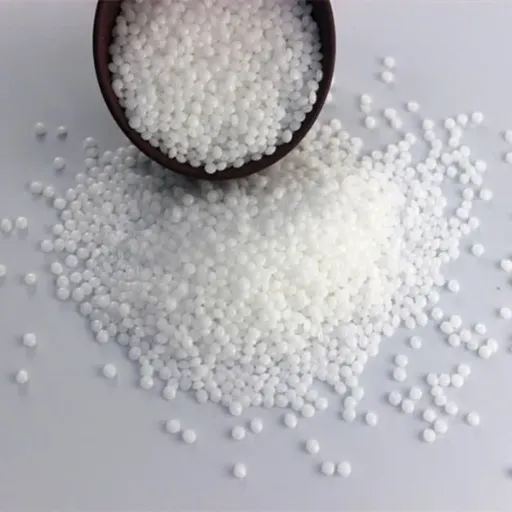
What are the most common types of engineering plastics?
The most common types are POM, ABS, PC, PA (nylon), PBT, PMMA, PC/ABS blends, and TPU. These cover the majority of structural, electrical, optical, and elastomeric applications in manufacturing.
What is the difference between engineering plastics and commodity plastics?
Engineering plastics offer superior mechanical strength, heat resistance, dimensional stability, or chemical resistance compared to commodity plastics like PE, PP, and PS. They are used in demanding applications where reliability matters.
Which engineering plastic is best for gears?
POM and PA66 are the most common choices. POM offers lower friction and better dimensional stability, while PA66 provides higher toughness and fatigue resistance. The best choice depends on load, temperature, and moisture exposure.
Is PC/ABS better than ABS?
PC/ABS offers higher heat resistance and impact strength than standard ABS, making it better for automotive and electronics applications. However, it is also more expensive. ABS remains a strong choice for less demanding housings and consumer goods.
Can engineering plastics replace metal parts?
Yes, in many applications. Engineering plastics can reduce weight, eliminate corrosion, and lower manufacturing cost when the material is selected for the actual load and temperature conditions.
How do I verify that an engineering plastic is authentic?
Request documentation from your distributor, including the technical data sheet, certificate of analysis, and batch number. Sourcing through an authorized distributor reduces the risk of counterfeit or off-spec material.
Conclusion
Understanding the main types of engineering plastics helps you specify materials with confidence. POM excels in precision mechanical parts. ABS and PC/ABS dominate housings and interior components. PC and PMMA handle optical and transparent requirements. Nylon and PBT serve wear-resistant and electrical applications. TPU covers flexible, elastomeric needs. Modified grades extend these properties even further.
The right material is not the most expensive one or the one with the best datasheet. It is the resin that meets your application's mechanical, thermal, chemical, and processing requirements at a predictable cost.
Ailide Polymer distributes certified engineering plastics from globally recognized suppliers, including POM, ABS, PC, PA, PBT, PMMA, PC/ABS, TPU, PP, and modified grades. We provide nationwide delivery in China, technical selection support, and full batch documentation.
Recently Posted
-
ABS in Automotive Interiors: From Dashboards to Door Panels
September 2, 2026A tier-two supplier once substituted a general-purpose ABS for an automotive-grade ABS on a door trim component to save 4% on resi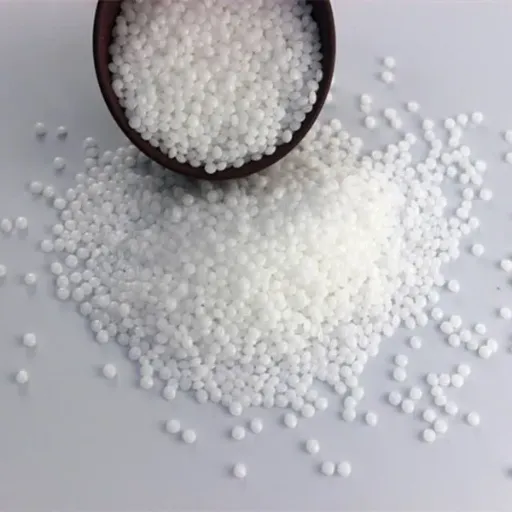 Read More
 -
ABS Flame Retardant Grades and UL 94 Ratings Explained: A Practical Guide for Buyers and Designers
September 2, 2026An electronics manufacturer once submitted a power-supply housing molded from standard ABS to a safety certification test. The mat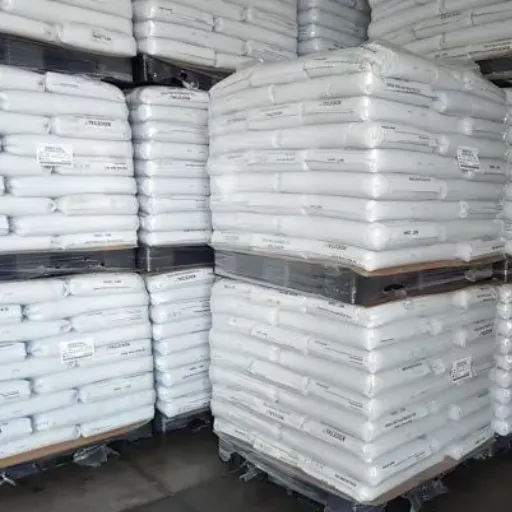 Read More
 -
KOCETAL K300 vs Formosa FM090 vs DURACON M90: Picking the Right Medium-Viscosity POM
September 2, 2026A gear shop in India once ordered a container of acetal copolymer based on a 5% price discount, without checking whether the grade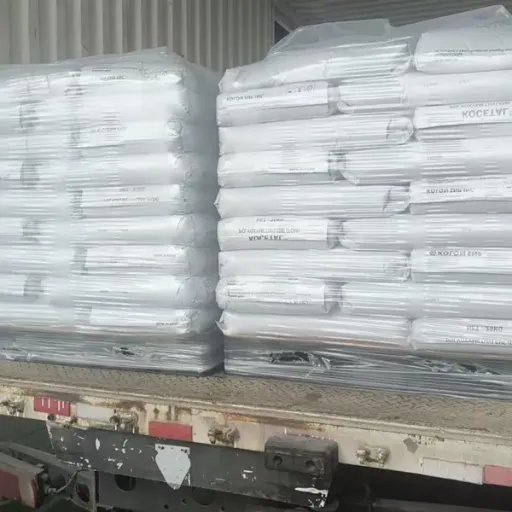 Read More
 -
PP vs PE: Which Polyolefin Resin Fits Your Application?
September 2, 2026A bottle manufacturer once chose HDPE for a hot-fill juice container and watched the bottles distort on the filling line. The mate Read More

Contact Us
Recommended Products
-
 Automotive Interior Clip and Door Lock POM K300 Injection Molding Material With Low FrictionNegotiableMOQ: 1 Kilogram
 -
KOCETAL POM K300 Virgin Pellets For Precision Gear Bearing Automotive Latch Water Valve PartsNegotiableMOQ: 1 Kilogram
-
Original Kolon POM K300 Engineering Plastic Wear Resistant Self Lubricating Acetal GranulesNegotiableMOQ: 1 Kilogram
-
Self-Lubricating POM K300 HDT 120°C Wear Resistant Resin With 0.2% Moisture AbsorptionNegotiableMOQ: 1 Kilogram
-
POM FM090AW PTFE Filled Wear Resistant Low Friction Acetal for Silent GearsNegotiableMOQ: 1 Kilogram
-
POM FM090 General Purpose Acetal Copolymer With Excellent MachinabilityNegotiableMOQ: 1 Kilogram
-
POM FM090 Standard Flow Acetal Copolymer Granules for Precision Injection MoldingNegotiableMOQ: 1 Kilogram
-
POM FM090 UV Stabilized Acetal Resin for Outdoor Automotive ComponentsNegotiableMOQ: 1 Kilogram
-
Technical Support Available POM K300 Acetal Copolymer for Precision Injection Molding ServiceNegotiableMOQ: 1 Kilogram
-
KOCETAL POM K300 Acetal Copolymer MFR 9 G/10min 1.41g/cm³ Tensile Strength 60MPaNegotiableMOQ: 1 Kilogram
-
Factory Price Polyacetal POM Resin FM090 for Engineering ApplicationsNegotiableMOQ: 1 Kilogram
-
High Strength Cheap POM FM090 UV Engineering Plastic for Automotive PartsNegotiableMOQ: 1 Kilogram
-
Virgin POM FM090 Granules Pellets Engineering Plastic Raw MaterialNegotiableMOQ: 1 Kilogram
-
POM K300 Plastic Granules 1.5% Shrinkage Rate 80 Shore D Hardness Stable Injection Molding PerformanceNegotiableMOQ: 1 Kilogram
-
Low Friction Coefficient High Dimensional Stability POM K300 Acetal Copolymer Injection Molding GradeNegotiableMOQ: 1 Kilogram

-
POM K300 Acetal Sheet Used for Automotive Gear Components and Conveyor Chains in Industrial MachineryNegotiableMOQ: 1 Kilogram
-
POM K300 Engineering Plastic Sheet With Melting Point 165°C and Excellent Wear Resistance for MachiningNegotiableMOQ: 1 Kilogram
-
POM K300 Acetal Copolymer Injection Molding Grade With Low Friction Coefficient and High Dimensional StabilityNegotiableMOQ: 1 Kilogram
-
POM K300 Polyoxymethylene Resin MFI 9 Engineering Plastic Granule for Injection MoldingNegotiableMOQ: 1 Kilogram
-
Virgin POM Granules Polyoxymethylene Pellets Manufacturer Direct Price for Injection MoldingNegotiableMOQ: 1 Kilogram