Business License

Engineering Plastics China: A Sourcing Guide for Manufacturers
China is one of the world's largest markets for engineering plastics, serving as both a major manufacturing hub and a key sourcing destination for POM, ABS, PC, PA, PBT, and TPU materials. Whether you are a procurement manager looking for reliable supply or a manufacturer seeking cost-effective resin grades, understanding how to navigate the engineering plastics China market helps you avoid counterfeit materials, reduce supply risk, and maintain production quality.
Not every supplier in China offers the same level of authenticity, documentation, or technical support. Sourcing from China can deliver competitive pricing and access to global material brands, but only when you know how to identify qualified partners and verify what you are buying. This guide will show you how to evaluate engineering plastics suppliers, avoid common sourcing risks, and choose materials that perform as specified in your application. You will learn which material categories are commonly available, what documentation to request, and how local distributors add value compared to direct imports.
Key Takeaways
China supplies a broad range of engineering plastics, including POM, ABS, PC, PA, PBT, and TPU, through both authorized distributors and trading companies.
Always verify supplier authorization, request technical data sheets, and confirm batch traceability before placing orders.
Counterfeit and off-spec materials remain a risk; work with authorized distributors who source directly from global resin producers.
Local distributors in China can reduce logistics complexity and provide faster technical support than distant trading companies.
Ailide Polymer distributes certified engineering plastics from brands like DuPont, Polyplastics, Chi Mei, and BASF with nationwide delivery and technical support.
What Are Engineering Plastics and Why Does China Matter?
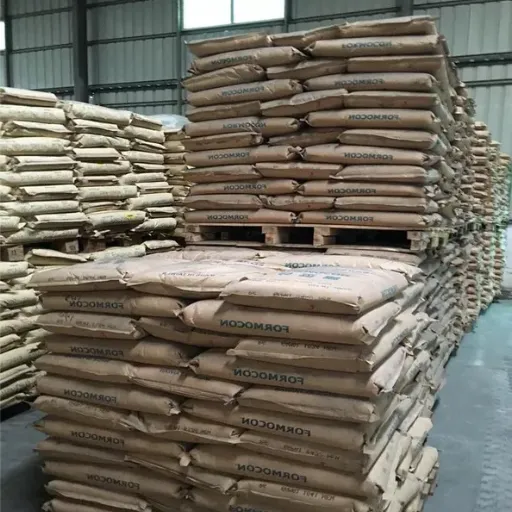
Engineering plastics are thermoplastic polymers designed to withstand mechanical load, heat, chemicals, and wear beyond the limits of commodity plastics. Common materials include polyoxymethylene (POM), acrylonitrile butadiene styrene (ABS), polycarbonate (PC), polyamide (PA or nylon), polybutylene terephthalate (PBT), and thermoplastic polyurethane (TPU). These materials are used in precision gears, automotive components, electrical housings, appliance parts, and industrial machinery.
China matters for engineering plastics because it is both a massive consumer and a major distribution center. The country produces a wide range of finished plastic products and imports large volumes of resin from global producers. Many international manufacturers source materials from China to support local production, while overseas buyers look to Chinese distributors for competitive pricing and consolidated supply.
For procurement managers, the engineering plastics China market offers several advantages. First, you can often source materials at competitive prices due to high trading volumes and established logistics networks. Second, many suppliers carry inventory locally, reducing lead times compared to overseas shipments. Third, Chinese distributors can provide technical support in your time zone and language, making communication easier during development and production.
However, the market also has challenges. The number of suppliers is large, and not all operate through authorized channels. Some trading companies sell repackaged or blended materials without proper documentation. Others may offer attractive prices but cannot guarantee batch consistency. This is why supplier qualification is one of the most important steps when sourcing engineering plastics in China.
Major Engineering Plastics Categories Available in China
The engineering plastics China market covers a wide portfolio of materials. Here are the main categories manufacturers and procurement teams ask about most often.
POM (Polyoxymethylene / Acetal)
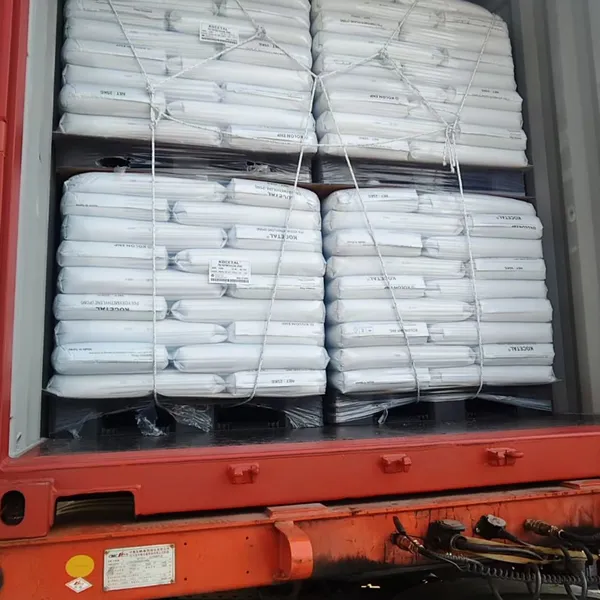
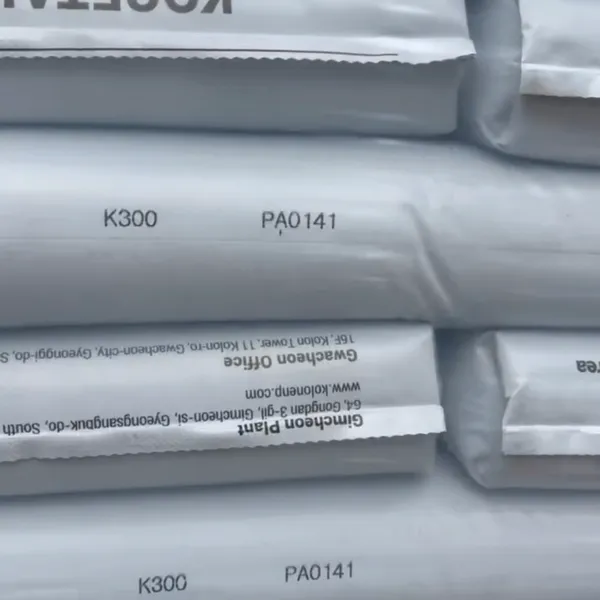
POM is known for its high stiffness, low friction, excellent wear resistance, and dimensional stability. It is widely used for precision gears, bearings, bushings, and automotive fuel-system components. In China, POM is available from global suppliers such as Polyplastics, DuPont, and Formosa Plastics, as well as from domestic producers. Common grades include KOCETAL POM K300 and Formosa POM FM090.
When sourcing POM, pay attention to moisture content before processing. POM absorbs moisture from the air, and inadequate drying can lead to surface defects and dimensional issues. A qualified supplier should provide pre-processing guidance along with the technical data sheet.
ABS (Acrylonitrile Butadiene Styrene)
ABS combines good impact strength, surface finish, and processability. It is a popular choice for appliance housings, consumer electronics, automotive interior trim, and toys. Major suppliers in China include Chi Mei Corporation and Formosa Plastics, which offer a range of injection-molding grades.
ABS is often compared to PC/ABS blends. While ABS offers cost efficiency and good surface quality, PC/ABS blends provide higher heat resistance and impact strength for more demanding applications. Understanding your application's temperature and mechanical requirements will help you choose the right grade.
PC (Polycarbonate) and PC/ABS Blends
Polycarbonate delivers high impact strength, optical clarity, and heat resistance. It is used in automotive lighting, electrical housings, safety equipment, and transparent shields. PC/ABS blends combine the heat and impact resistance of PC with the processability and surface finish of ABS, making them ideal for automotive interiors and electronic housings.
In China, polycarbonate and PC/ABS are available from suppliers such as Chi Mei, Formosa Plastics, and Covestro (formerly Bayer). Optical-grade PC requires tighter quality control, so verify that the supplier can provide certificates of analysis and batch traceability.
PA (Polyamide / Nylon)
Nylon offers high mechanical strength, wear resistance, and fatigue resistance. It is used in gears, bearings, bushings, cable ties, and under-hood automotive components. PA6 and PA66 are the most common grades, with glass-filled versions available for higher stiffness and heat resistance.
One important consideration with nylon is moisture absorption. Nylon absorbs water from the environment, which can affect dimensions and mechanical properties. Your supplier should be able to recommend whether a conditioned or dry-as-molded grade is better for your application.
PBT (Polybutylene Terephthalate)
PBT provides good electrical insulation, dimensional stability, and chemical resistance. It is commonly used in electrical connectors, switches, and automotive electronics. PBT is often compared to POM for mechanical applications, but PBT generally offers better electrical properties and chemical resistance, while POM delivers superior wear performance.
TPU (Thermoplastic Polyurethane)
TPU is a flexible thermoplastic elastomer with excellent abrasion resistance, tear strength, and elasticity. It is used in footwear, cable jackets, seals, gaskets, hoses, and industrial rollers. In China, TPU is available from suppliers such as LCY Chemical and BASF. Shore hardness is a key selection factor, so specify whether you need a soft, flexible grade or a harder, more rigid formulation.
How to Evaluate an Engineering Plastics Supplier in China
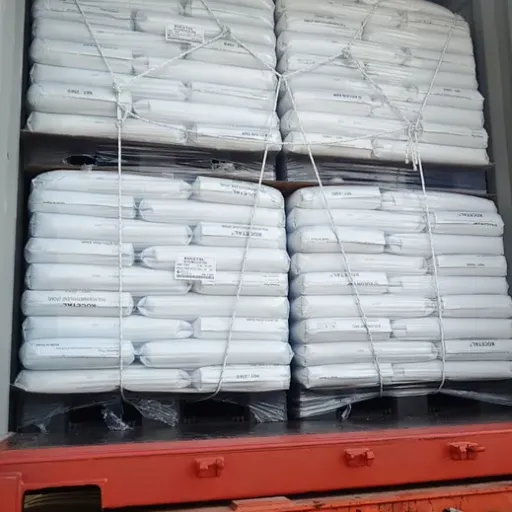
Choosing the right engineering plastics supplier in China is about more than comparing prices. A reliable partner should protect your supply chain, help you select the right grade, and provide documentation that supports your quality system. Here is how to evaluate potential suppliers.
Verify Authorization and Partnerships
Start by asking whether the supplier is an authorized distributor for the brands they sell. Authorized distributors source materials directly from the resin manufacturer, which reduces the risk of counterfeit or off-spec products. Ask for authorization letters, distribution certificates, or evidence of direct supplier relationships.
Ailide Polymer maintains long-term cooperative relationships with globally recognized resin producers including DuPont, Polyplastics, Chi Mei, Formosa Plastics, LCY Chemical, Asahi Kasei, Bayer, and BASF. This type of direct partnership is a strong indicator that the distributor can provide authentic materials with full documentation.
Assess Technical Competence
A technically competent supplier can do more than fulfill orders. They can help you choose the right material for your application, recommend processing parameters, and suggest alternatives when a grade is constrained. During your evaluation, ask technical questions about the materials you plan to source. A qualified supplier should respond with specific recommendations, not just price lists.
Review Logistics and Delivery Capability
Ask about inventory levels, lead times, and delivery coverage. A supplier with nationwide distribution and local warehousing can deliver materials faster and more reliably than a trading company that sources on demand. If your production schedule is tight, delivery performance matters as much as material price.
Check Documentation Practices
Request samples of technical data sheets, certificates of analysis, and material safety data sheets before placing an order. These documents should match the grade and batch you are buying. If a supplier is reluctant to provide documentation or offers generic paperwork, consider it a warning sign.
Common Sourcing Risks and How to Avoid Them
Sourcing engineering plastics from China can deliver strong value, but it also carries risks that procurement teams should understand and manage.
Counterfeit and Off-Spec Materials
Counterfeit resin is one of the biggest risks in the engineering plastics China market. Some traders repackage lower-grade or recycled material in branded bags and sell it as premium resin. Off-spec materials may meet the general polymer type but fail to match the performance characteristics of the specified grade.
How to avoid it: Work with authorized distributors, request batch certificates, and verify packaging details such as lot numbers, manufacturing dates, and supplier logos. If a price seems far below market level, investigate before buying.
Inconsistent Batch Quality
Even authentic materials can vary between batches if they are not stored or handled correctly. Moisture uptake, contamination, and improper packaging can degrade resin performance before it reaches your production line.
How to avoid it: Ask suppliers about their storage conditions, inventory rotation practices, and quality control procedures. Request certificates of analysis for each batch, and run incoming material inspections when possible.
Weak Technical Support
Some suppliers focus only on trading and cannot provide application guidance. This becomes a problem when you need help selecting a grade, troubleshooting a molding issue, or finding a substitute material.
How to avoid it: Choose a supplier that offers technical support as part of their service. Ask about their team's background in materials engineering and their experience with your industry.
Documentation Gaps
Missing or incorrect documentation can cause problems during audits, customer inspections, and export customs clearance. It can also make it difficult to trace a quality issue back to its source.
How to avoid it: Make documentation a non-negotiable requirement in your purchase agreement. Specify that each delivery must include a technical data sheet, certificate of analysis, and batch traceability information.
Documentation and Quality Assurance You Should Demand
Documentation is the foundation of trust in any engineering plastics supply chain. When you buy materials from a Chinese supplier, you should receive the following documents for every batch.
Technical Data Sheet (TDS)
The TDS provides official specifications for the material grade, including mechanical properties, thermal properties, chemical resistance, and processing recommendations. It is your primary reference for comparing grades and validating performance claims.
Certificate of Analysis (COA)
The COA confirms that the specific batch you received meets the manufacturer's specifications. It typically includes test results for properties such as melt flow index, tensile strength, and impact strength. Make sure the COA batch number matches the material you received.
Material Safety Data Sheet (MSDS/SDS)
The safety data sheet provides handling, storage, and emergency information for the material. It is required for regulatory compliance and workplace safety in most countries.
Origin and Authorization Documentation
For international buyers, origin certificates and supplier authorization letters may be needed for customs clearance and customer audits. These documents help prove that your materials were sourced through legitimate channels.
Traceability Records
A reliable supplier should be able to trace each batch back to the original manufacturer and production lot. This traceability is essential for quality control, recall management, and supplier qualification.
Need certified engineering plastics with full documentation? Ailide Polymer supplies POM, ABS, PC, PA, PBT, and TPU with technical data sheets, certificates of analysis, and batch traceability for every order. Request a quote today →
When to Choose a Local Distributor vs. Direct Import
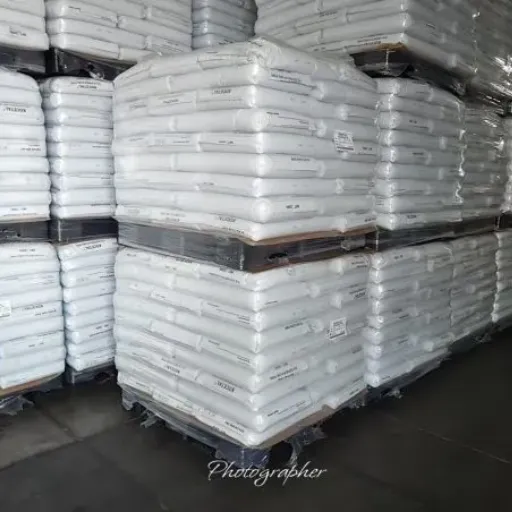
Manufacturers sometimes wonder whether to buy directly from an international resin producer or work through a local distributor in China. Both approaches have their place, depending on your order size, technical needs, and logistics requirements.
Direct Import
Direct import from a global resin producer can make sense for very large volumes, long-term contracts, or specialized grades. It often requires higher minimum order quantities, longer lead times, and more complex import documentation. You may also need to manage customs clearance and inland logistics yourself.
Local Distributor
A local distributor in China can offer faster delivery, lower minimum order quantities, and easier communication. They often hold local inventory, which reduces lead times and helps you manage production schedules more flexibly. They can also provide technical support in local language and coordinate export documentation for international buyers.
For most manufacturers, especially those needing multiple material grades or flexible order sizes, a local authorized distributor offers a better balance of cost, speed, and service. Ailide Polymer, based in Jiangsu, combines global supplier partnerships with nationwide distribution and local technical support to help customers source engineering plastics efficiently.
Mini-Story: How One Manufacturer Solved a Counterfeit Resin Problem
Last year, an electronics manufacturer in Shenzhen began seeing inconsistent surface finish on ABS housings. The material was labeled as a Chi Mei grade, but molded parts showed color variations and weaker impact resistance than expected. After investigating, the procurement team discovered that their previous supplier had been delivering repackaged material from an unauthorized source.
The team switched to an authorized distributor that could provide batch certificates and direct supplier documentation. Within two production cycles, the surface defects disappeared, and impact test results returned to specification. The experience cost them six weeks of troubleshooting, but it reinforced a lesson: low price means little if the material cannot be traced to a legitimate source.
Mini-Story: How an Automotive Supplier Reduced Lead Times
An automotive parts supplier in Suzhou was sourcing POM and PA66 directly from overseas for a new fuel-system component program. Lead times averaged eight to ten weeks, and minimum order quantities forced them to carry more inventory than they wanted. When demand increased, they struggled to keep production lines supplied.
They partnered with a Jiangsu-based distributor that held local inventory of Polyplastics POM and DuPont Zytel PA66. Lead times dropped to under two weeks, and they could order smaller batches matched to production schedules. The local technical team also helped them adjust drying parameters, reducing scrap rates during start-up. The supplier gained production flexibility without sacrificing material authenticity.
Frequently Asked Questions
What are engineering plastics?
Engineering plastics are thermoplastic polymers designed for applications that require mechanical strength, heat resistance, chemical resistance, or dimensional stability beyond what commodity plastics can provide. Common examples include POM, ABS, PC, PA, PBT, and TPU.
How do I find a reliable engineering plastics supplier in China?
Look for authorized distributors with direct supplier relationships, local inventory, and strong documentation practices. Verify authorization letters, request technical data sheets and certificates of analysis, and ask about technical support capabilities.
What documents should a plastic supplier provide?
At minimum, a supplier should provide a technical data sheet, certificate of analysis, material safety data sheet, and batch traceability information for every delivery. For export orders, origin certificates and supplier authorization letters may also be required.
How can I avoid counterfeit engineering plastics?
Buy from authorized distributors, verify packaging and batch numbers, compare prices against market levels, and request certificates of analysis that match the delivered material. If a price seems unusually low, investigate before purchasing.
What is the MOQ for engineering plastics in China?
Minimum order quantities vary by grade, supplier, and packaging. Authorized distributors often offer more flexible MOQs than direct manufacturers, making them suitable for both trial batches and high-volume production.
Which engineering plastics are commonly sourced from China?
POM, ABS, PC, PA, PBT, TPU, PMMA, and PC/ABS blends are all commonly sourced from China. The right choice depends on your application's mechanical, thermal, and chemical requirements.
Conclusion
Sourcing engineering plastics in China offers significant advantages, including competitive pricing, broad material availability, and responsive local support. However, the benefits only materialize when you work with qualified suppliers who can verify material authenticity, provide complete documentation, and support your technical requirements.
For procurement managers and manufacturers, the key steps are clear: verify supplier authorization, request batch documentation, evaluate technical competence, and choose a partner with reliable logistics. Whether you need POM for precision gears, ABS for appliance housings, or PC/ABS for automotive interiors, a well-qualified distributor can simplify your supply chain and reduce risk.
Ailide Polymer distributes certified engineering plastics from global suppliers including DuPont, Polyplastics, Chi Mei, Formosa Plastics, LCY Chemical, Asahi Kasei, Bayer, and BASF. With nationwide distribution across China and technical support for material selection, we help manufacturers source the right materials with confidence.
Recently Posted
-
ABS in Automotive Interiors: From Dashboards to Door Panels
September 2, 2026A tier-two supplier once substituted a general-purpose ABS for an automotive-grade ABS on a door trim component to save 4% on resi Read More
 -
ABS Flame Retardant Grades and UL 94 Ratings Explained: A Practical Guide for Buyers and Designers
September 2, 2026An electronics manufacturer once submitted a power-supply housing molded from standard ABS to a safety certification test. The mat Read More
 -
KOCETAL K300 vs Formosa FM090 vs DURACON M90: Picking the Right Medium-Viscosity POM
September 2, 2026A gear shop in India once ordered a container of acetal copolymer based on a 5% price discount, without checking whether the grade Read More
 -
PP vs PE: Which Polyolefin Resin Fits Your Application?
September 2, 2026A bottle manufacturer once chose HDPE for a hot-fill juice container and watched the bottles distort on the filling line. The mate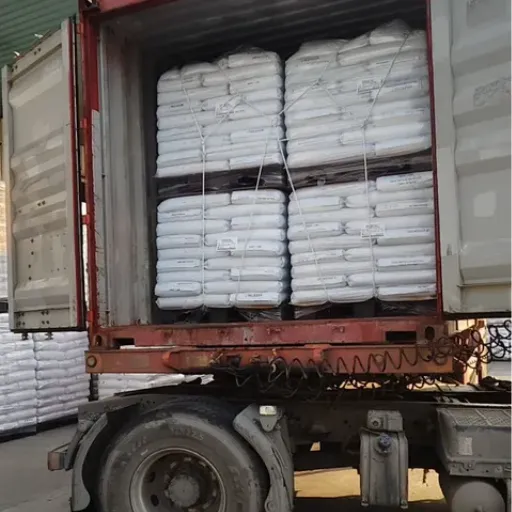 Read More

Contact Us
Recommended Products
-
 Automotive Interior Clip and Door Lock POM K300 Injection Molding Material With Low FrictionNegotiableMOQ: 1 Kilogram
 -
KOCETAL POM K300 Virgin Pellets For Precision Gear Bearing Automotive Latch Water Valve PartsNegotiableMOQ: 1 Kilogram
-
Original Kolon POM K300 Engineering Plastic Wear Resistant Self Lubricating Acetal GranulesNegotiableMOQ: 1 Kilogram
-
Self-Lubricating POM K300 HDT 120°C Wear Resistant Resin With 0.2% Moisture AbsorptionNegotiableMOQ: 1 Kilogram
-
POM FM090AW PTFE Filled Wear Resistant Low Friction Acetal for Silent GearsNegotiableMOQ: 1 Kilogram
-
POM FM090 General Purpose Acetal Copolymer With Excellent MachinabilityNegotiableMOQ: 1 Kilogram
-
POM FM090 Standard Flow Acetal Copolymer Granules for Precision Injection MoldingNegotiableMOQ: 1 Kilogram
-
POM FM090 UV Stabilized Acetal Resin for Outdoor Automotive ComponentsNegotiableMOQ: 1 Kilogram
-
Technical Support Available POM K300 Acetal Copolymer for Precision Injection Molding ServiceNegotiableMOQ: 1 Kilogram
-
KOCETAL POM K300 Acetal Copolymer MFR 9 G/10min 1.41g/cm³ Tensile Strength 60MPaNegotiableMOQ: 1 Kilogram
-
Factory Price Polyacetal POM Resin FM090 for Engineering ApplicationsNegotiableMOQ: 1 Kilogram
-
High Strength Cheap POM FM090 UV Engineering Plastic for Automotive PartsNegotiableMOQ: 1 Kilogram
-
Virgin POM FM090 Granules Pellets Engineering Plastic Raw MaterialNegotiableMOQ: 1 Kilogram
-
POM K300 Plastic Granules 1.5% Shrinkage Rate 80 Shore D Hardness Stable Injection Molding PerformanceNegotiableMOQ: 1 Kilogram
-
Low Friction Coefficient High Dimensional Stability POM K300 Acetal Copolymer Injection Molding GradeNegotiableMOQ: 1 Kilogram

-
POM K300 Acetal Sheet Used for Automotive Gear Components and Conveyor Chains in Industrial MachineryNegotiableMOQ: 1 Kilogram
-
POM K300 Engineering Plastic Sheet With Melting Point 165°C and Excellent Wear Resistance for MachiningNegotiableMOQ: 1 Kilogram
-
POM K300 Acetal Copolymer Injection Molding Grade With Low Friction Coefficient and High Dimensional StabilityNegotiableMOQ: 1 Kilogram
-
POM K300 Polyoxymethylene Resin MFI 9 Engineering Plastic Granule for Injection MoldingNegotiableMOQ: 1 Kilogram
-
Virgin POM Granules Polyoxymethylene Pellets Manufacturer Direct Price for Injection MoldingNegotiableMOQ: 1 Kilogram