Business License

Common Engineering Plastics List: A Manufacturer's Guide to Resin Selection
The most common engineering plastics used in manufacturing today are POM, ABS, polycarbonate (PC), nylon (PA), PBT, PP, PMMA, PC/ABS, and TPU. Each material covers a distinct performance range, from rigid, wear-resistant mechanical parts to impact-resistant housings and flexible elastomers. The right choice depends on load, temperature, chemical exposure, and how the part will be processed.
What if the resin you select today becomes the reason a product fails in the field six months from now? That scenario is more common than many manufacturers expect. Material specification errors remain one of the costliest sources of rework in injection molding and product development. If you have ever compared technical data sheets and still wondered which grade truly fits your application, you are not alone.
This guide provides a practical common engineering plastics list with the properties, applications, and selection logic you need to make confident resin decisions. You will learn how each material behaves, where it performs best, and how to source certified grades with full documentation. Whether you are a procurement manager consolidating suppliers or an engineer evaluating a new design, the information here will help you narrow the field quickly.
Key Takeaways
The most common engineering plastics are POM, ABS, PC, nylon, PBT, PP, PMMA, PC/ABS, and TPU.
Each material offers distinct mechanical, thermal, and chemical properties suited to specific applications.
Material selection must match load, temperature, chemical exposure, wear, and processing method.
Authorized distributors supply certified grades with technical data sheets and batch traceability.
One-stop sourcing reduces vendor complexity and improves procurement efficiency.
What Are Engineering Plastics? How a Common Engineering Plastics List Helps
Engineering plastics are synthetic polymers with mechanical and thermal properties strong enough for load-bearing, structural, or demanding functional applications. They typically outperform commodity plastics such as polyethylene (PE), polystyrene (PS), and polyvinyl chloride (PVC) in stiffness, heat resistance, dimensional stability, and chemical resistance. They also cost more per kilogram, so they are selected only when the application justifies the investment.
The term "engineering plastic" is not a strict scientific category. It is a market classification based on performance. A resin becomes an engineering plastic when its properties allow it to replace metal, glass, or wood in engineered components. For example, a POM gear can replace a metal gear in low-load applications because it offers low friction and good wear resistance without machining or corrosion concerns. A common engineering plastics list helps buyers compare these materials side by side before making a sourcing decision.
Manufacturers choose engineering plastics when they need a balance of properties that commodity plastics cannot deliver. That balance might include high heat deflection temperature, low moisture absorption, optical clarity, or fatigue resistance. The common engineering plastics list below covers the materials that appear most often in automotive, electronics, appliance, industrial, and consumer goods applications.
Common Engineering Plastics List
The following resins represent the core engineering plastics portfolio most distributors and manufacturers work with regularly. Understanding their strengths and limits is the first step toward a successful material specification.
POM (Polyoxymethylene / Acetal)
Polyoxymethylene (POM), also known as acetal, is a high-crystallinity engineering plastic known for excellent dimensional stability, low friction, and high wear resistance. It absorbs very little moisture, which makes it reliable for tight-tolerance parts in humid environments. POM also offers good fatigue resistance and stiffness, although its impact strength is lower than polycarbonate or ABS. POM is a staple on any common engineering plastics list for mechanical parts.
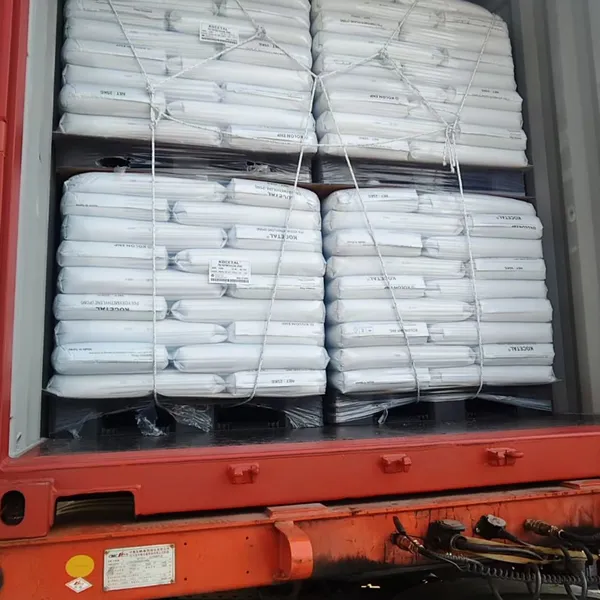
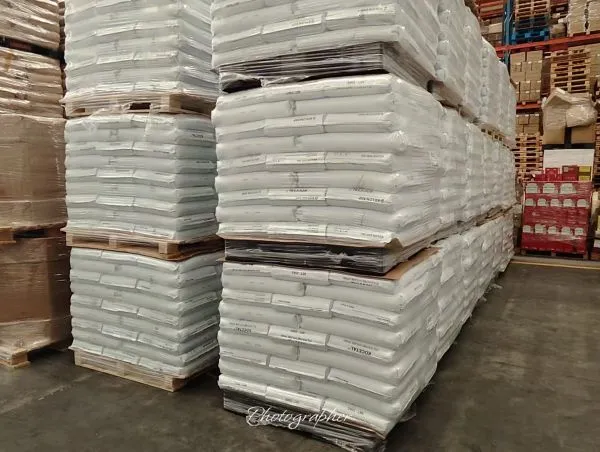
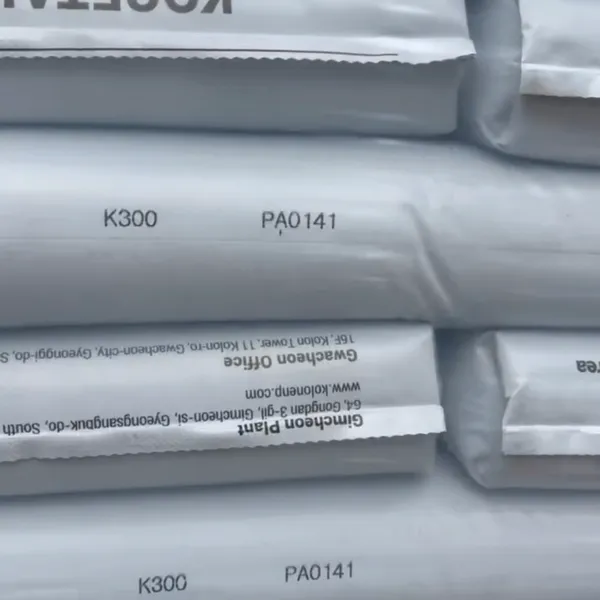
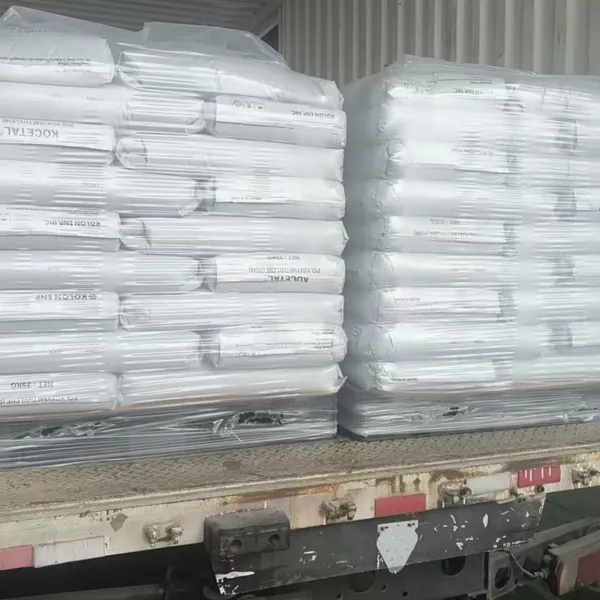
Common applications include precision gears, bearings, bushings, conveyor components, automotive fuel-system parts, and electrical switches. When a design needs smooth sliding contact and dimensional accuracy, POM materials are often the first grade to evaluate. Popular supplier families include DuPont Delrin, Polyplastics DURACON, and KOCETAL grades.
Nylon / PA (Polyamide)
Nylon plastic, or polyamide (PA), is a versatile engineering plastic with high mechanical strength, toughness, and wear resistance. PA6 and PA66 are the most common grades, with glass-filled versions available when higher stiffness and heat resistance are required. Nylon performs well under dynamic loads and is widely used for gears, bearings, bushings, and structural parts.
The main limitation of nylon is moisture absorption. PA66 absorbs less water than PA6, but both grades change dimensions and mechanical properties as they take up moisture. Designers must account for this behavior in tight-tolerance applications or choose moisture-resistant grades. Despite this, nylon remains one of the most cost-effective options for wear parts and load-bearing components.
PBT (Polybutylene Terephthalate)
Polybutylene terephthalate (PBT) offers a strong combination of electrical insulation, dimensional stability, chemical resistance, and fast crystallization for efficient molding. It performs well in electrical connectors, automotive electronics, sensor housings, and ignition system components. PBT also resists many automotive fluids, oils, and solvents.
Because PBT crystallizes quickly, it enables short cycle times in injection molding. Flame-retardant and glass-reinforced grades extend its use into connectors and parts that must meet strict electrical safety standards. PBT is often compared with POM and nylon when designers need stiffness and heat resistance without the moisture sensitivity of nylon.
PC (Polycarbonate)
Polycarbonate (PC) is valued for its outstanding impact strength, optical clarity, and heat resistance. This polycarbonate plastic is one of the few engineering plastics that can deliver both transparency and toughness, which makes it ideal for automotive lighting lenses, safety equipment, electronic housings, and optical discs. PC is included in nearly every common engineering plastics list because of its impact and optical properties. PC also provides good electrical insulation and can be alloyed with ABS to improve processability.
The trade-off with polycarbonate is chemical and scratch resistance. Certain solvents and cleaners can stress-crack PC, and its surface is softer than acrylic. For applications where optical clarity and impact resistance are priorities, PC is hard to beat. Lexan and Makrolon are well-known trade names in this category.
ABS (Acrylonitrile Butadiene Styrene)
Acrylonitrile butadiene styrene (ABS plastic) is one of the most widely used engineering plastics because it balances impact strength, surface finish, processability, and cost. It is easy to injection mold, accepts color well, and delivers a smooth surface suitable for painting, plating, or texturing. ABS is one of the most recognizable names on a common engineering plastics list for housings and consumer products. ABS is common in appliance housings, automotive interior trim, consumer electronics, and toys.
ABS is not suitable for high-heat or outdoor applications without modification. Its heat deflection temperature is lower than PC, PBT, or nylon. However, for indoor housings and parts where appearance matters, ABS grades are often the default choice. Leading suppliers include Chi Mei, Formosa Plastics, and Styron.
PP (Polypropylene)
Polypropylene (PP) is technically a commodity plastic, but engineering grades are widely used in demanding applications because of their chemical resistance, fatigue resistance, and low density. PP is lightweight, cost-effective, and resistant to many acids, bases, and solvents. It is common in automotive interiors, appliance parts, packaging, and chemical containers.
The main limitations of PP are lower heat resistance and stiffness compared with true engineering plastics like POM or nylon. However, reinforced and impact-modified PP grades bridge the gap for many applications. When a part needs chemical resistance and low weight at a moderate price, PP deserves consideration.
PMMA (Polymethyl Methacrylate / Acrylic)
Polymethyl methacrylate (PMMA), commonly called acrylic, offers excellent optical clarity, UV resistance, and surface hardness. It transmits light more efficiently than glass in many applications and weighs far less. PMMA is used in lighting lenses, displays, signage, automotive tail lights, and optical panels.
Acrylic is more brittle than polycarbonate, so it is not the best choice for parts that must survive high impact. Its superior scratch resistance and weatherability make it preferable for exposed decorative or optical components. For applications where both clarity and toughness are required, PC/PMMA comparisons are common.
PC/ABS (Polycarbonate / ABS Blend)
PC/ABS blends combine the heat and impact resistance of polycarbonate with the processability and surface finish of ABS. The result is a material that performs well in automotive interiors, electronic housings, appliance panels, and handheld devices. PC/ABS also offers good color stability and can be formulated for flame-retardant requirements.
The blend is a good example of how material selection is not always a binary choice. When ABS alone cannot handle the heat and PC alone is difficult to process or too expensive, PC/ABS often provides the right compromise. This is why it appears on nearly every common engineering plastics list for housings and trim applications.
TPU (Thermoplastic Polyurethane)
Thermoplastic polyurethane (TPU material) is a thermoplastic elastomer that bridges the gap between rigid plastics and rubber. It is flexible, abrasion-resistant, tear-resistant, and available across a wide Shore hardness range. TPU rounds out the common engineering plastics list as the primary flexible option. TPU is used for seals, gaskets, cables, footwear, industrial hoses, flexible tubing, and wearable devices.
TPU can be processed by injection molding, extrusion, and blow molding. It is often chosen when a part needs rubber-like elasticity with the processing speed and recyclability of a thermoplastic. For sealing, cushioning, or flexible impact protection, TPU is the engineering plastic of choice.
Quick Comparison Table
The table below summarizes typical properties for the materials in this common engineering plastics list. Values are approximate and vary by grade.
| Material | Density (g/cm³) | Heat Deflection (°C) | Tensile Strength (MPa) | Best Known For | Typical Application |
|---|---|---|---|---|---|
| POM | 1.41 | 100-110 | 60-70 | Low friction, wear resistance | Precision gears, bearings |
| PA66 | 1.14 | 75-105* | 80-90 | Toughness, fatigue resistance | Gears, bushings, structural parts |
| PBT | 1.31 | 60-85 | 50-60 | Electrical insulation, fast cycling | Connectors, sensors |
| PC | 1.20 | 130-145 | 60-70 | Impact strength, optical clarity | Lighting lenses, safety shields |
| ABS | 1.05 | 85-100 | 40-50 | Surface finish, cost balance | Appliance housings, toys |
| PP | 0.90 | 80-110 | 30-40 | Chemical resistance, low weight | Automotive interiors, containers |
| PMMA | 1.19 | 85-100 | 50-80 | Optical clarity, UV resistance | Displays, tail lights |
| PC/ABS | 1.12 | 95-115 | 50-60 | Heat + impact balance | Device housings, automotive trim |
| TPU | 1.10-1.25 | Varies | 25-55 | Flexibility, abrasion resistance | Seals, cables, hoses |
How to Use a Common Engineering Plastics List to Choose Resin
Selecting from this common engineering plastics list requires more than reading a property table. The best specification starts with a clear understanding of the application environment. Begin by documenting the operating temperature range, mechanical loads, chemical exposures, wear conditions, electrical requirements, and regulatory standards the part must meet.
Next, match those requirements to material properties. For example, a gear under constant sliding contact needs low friction and wear resistance, which points toward POM or nylon. An electronic housing that must survive drops and elevated temperatures points toward PC/ABS. A transparent lens for outdoor lighting points toward PMMA or PC, depending on whether scratch resistance or impact resistance is more important. Use the common engineering plastics list as a screening tool, then confirm the final grade with supplier data sheets and prototyping.
Processing method also influences the choice. Some materials crystallize quickly and enable short molding cycles, while others require drying and precise temperature control. Cost, color availability, and supplier lead time should enter the decision only after the technical requirements are satisfied. Choosing a cheaper resin that fails in the field is always more expensive than selecting the right grade from the start.
Last year, Wang Lin, a design engineer at a Suzhou electronics manufacturer, faced exactly this challenge. Her team was developing a handheld medical device housing and had initially specified ABS for cost reasons. During prototype testing, the housing deformed during sterilization cycles. After reviewing the temperature and chemical requirements with Ailide Polymer's technical team, she switched to a PC/ABS blend with higher heat resistance. The revised part passed validation on the first retest and moved into production without delaying the launch schedule.
Engineering Plastics Applications by Industry
Different industries rely on different subsets of the common engineering plastics list. Understanding these patterns can speed up material selection and help procurement teams build more focused supplier relationships.
Automotive
The automotive industry uses POM for fuel-system and interior mechanical components, nylon for under-hood and wear parts, PBT for connectors and sensors, PC for lighting lenses, PC/ABS for interior trim, and PP for bumpers and interior panels. Heat resistance, dimensional stability, and batch-to-batch consistency are critical because any variation can disrupt assembly lines.
Electronics and Electrical
Electronics manufacturers favor PC for transparent or impact-resistant housings, ABS for cost-effective enclosures, PBT for connectors, PC/ABS for laptop and device housings, and TPU for cable jackets and seals. Flame retardancy, electrical insulation, and surface quality are often the deciding factors.
Appliances and Consumer Goods
Appliance manufacturers use ABS and PP for housings and internal components where surface finish and cost matter. PC/ABS is common for premium appliance panels that need both appearance and heat resistance. PMMA appears in control panels and display windows. TPU is used for feet, gaskets, and flexible touch points.
Industrial and Machinery
Industrial applications emphasize wear resistance, chemical resistance, and mechanical strength. POM and nylon dominate gears, bearings, and bushings. TPU is used for seals, hoses, and flexible couplings. Reinforced grades of PP and PBT appear in structural and electrical components.
Sourcing Engineering Plastics from an Authorized Distributor
Even the best material specification can fail if the resin is counterfeit, off-spec, or poorly handled. This is why sourcing channel matters as much as grade selection. A common engineering plastics list is only useful when the grades listed are authentic, documented, and traceable. Authorized distributors purchase directly from recognized resin producers and can provide the documentation manufacturers need for quality assurance and audits.
Ailide Polymer distributes certified engineering plastics from global suppliers including DuPont, Polyplastics, Chi Mei, Formosa Plastics, LCY Chemical, Asahi Kasei, Bayer, and BASF. Every batch is supplied with appropriate documentation, including technical data sheets and certificates of analysis, to support traceability. Our engineering plastics portfolio covers POM, PP, ABS, TPU, PBT, PC, PMMA, PC/ABS, nylon, and modified plastics.
Working with a single authorized distributor also simplifies procurement. Instead of managing multiple suppliers for different resin families, manufacturers can consolidate orders, reduce administrative overhead, and improve delivery coordination. For teams that need guidance, our technical support team reviews application requirements and recommends suitable grades based on performance data.
If material authenticity is a concern, ask your supplier for documentation that ties each batch to an authorized manufacturer. Our quality assurance process is built around this principle, giving customers confidence that the resin they receive matches the specification they approved.
Frequently Asked Questions
What should a common engineering plastics list include?
A useful common engineering plastics list should name the core materials, summarize their key properties, and explain which applications each one serves. At minimum, it should cover POM, ABS, PC, nylon, PBT, PP, PMMA, PC/ABS, and TPU. The list should also note limitations such as moisture absorption, heat resistance, and chemical exposure so readers can narrow their choices quickly.
What is the most common engineering plastic?
There is no single answer because "most common" depends on the industry. ABS is one of the most widely used engineering plastics overall due to its balance of cost, impact strength, and surface finish. POM and nylon are extremely common in mechanical applications, while PC and PC/ABS dominate electronics and automotive housings.
What is the difference between engineering plastics and commodity plastics?
Engineering plastics deliver superior mechanical, thermal, and chemical properties compared with commodity plastics. They are used in load-bearing, structural, or demanding functional parts. Commodity plastics such as PE, PS, and PVC are lower in cost and performance, and they are used in packaging, disposable items, and general-purpose applications.
Which engineering plastic is best for gears?
POM and nylon are the most common choices for gears. POM offers low friction, excellent dimensional stability, and low moisture absorption, which makes it ideal for precision gears in humid environments. Nylon provides higher toughness and load capacity but absorbs moisture, which can affect dimensions. The best choice depends on load, speed, temperature, and moisture exposure.
What is PC/ABS used for?
PC/ABS is used for applications that need a balance of impact strength, heat resistance, processability, and surface finish. Common uses include automotive interior trim, electronic device housings, appliance panels, and handheld tool enclosures. It is often selected when ABS alone is not heat-resistant enough and PC alone is difficult to process.
How can I avoid counterfeit engineering plastics?
Source materials through authorized distributors who purchase directly from recognized resin producers. Request technical data sheets, certificates of analysis, and batch documentation. Verify that the supplier has established relationships with the brands it represents. Counterfeit resin often lacks proper documentation and may fail to meet mechanical or safety specifications.
Conclusion
A clear common engineering plastics list is a practical starting point for any manufacturer evaluating resin options. POM, ABS, PC, nylon, PBT, PP, PMMA, PC/ABS, and TPU each occupy distinct positions in the materials landscape. Keep this common engineering plastics list on hand as a screening reference, then validate the final grade with performance data and prototype testing. The best specification matches the material's properties to the application's mechanical, thermal, chemical, and processing requirements.
Successful material selection is rarely about finding the strongest or cheapest resin. It is about finding the resin that performs reliably in the specific conditions where it will be used. That requires accurate data, honest comparisons, and a supplier who can deliver certified grades with full traceability.
If you are evaluating materials for an upcoming project, contact our technical team to discuss your requirements. We can recommend suitable grades, provide technical data sheets, and arrange trial batches so you can validate performance before scaling to production. With the right material and the right partner, you can reduce risk, shorten development cycles, and build products that perform as specified.
Recently Posted
-
ABS in Automotive Interiors: From Dashboards to Door Panels
September 2, 2026A tier-two supplier once substituted a general-purpose ABS for an automotive-grade ABS on a door trim component to save 4% on resi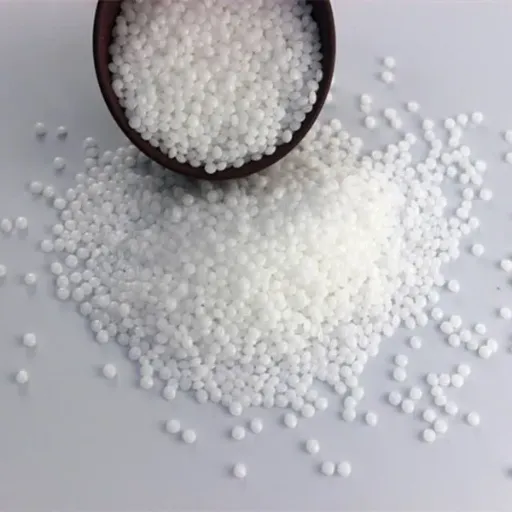 Read More
 -
ABS Flame Retardant Grades and UL 94 Ratings Explained: A Practical Guide for Buyers and Designers
September 2, 2026An electronics manufacturer once submitted a power-supply housing molded from standard ABS to a safety certification test. The mat Read More
 -
KOCETAL K300 vs Formosa FM090 vs DURACON M90: Picking the Right Medium-Viscosity POM
September 2, 2026A gear shop in India once ordered a container of acetal copolymer based on a 5% price discount, without checking whether the grade Read More
 -
PP vs PE: Which Polyolefin Resin Fits Your Application?
September 2, 2026A bottle manufacturer once chose HDPE for a hot-fill juice container and watched the bottles distort on the filling line. The mate Read More

Contact Us
Recommended Products
-
 Automotive Interior Clip and Door Lock POM K300 Injection Molding Material With Low FrictionNegotiableMOQ: 1 Kilogram
 -
KOCETAL POM K300 Virgin Pellets For Precision Gear Bearing Automotive Latch Water Valve PartsNegotiableMOQ: 1 Kilogram
-
Original Kolon POM K300 Engineering Plastic Wear Resistant Self Lubricating Acetal GranulesNegotiableMOQ: 1 Kilogram
-
Self-Lubricating POM K300 HDT 120°C Wear Resistant Resin With 0.2% Moisture AbsorptionNegotiableMOQ: 1 Kilogram
-
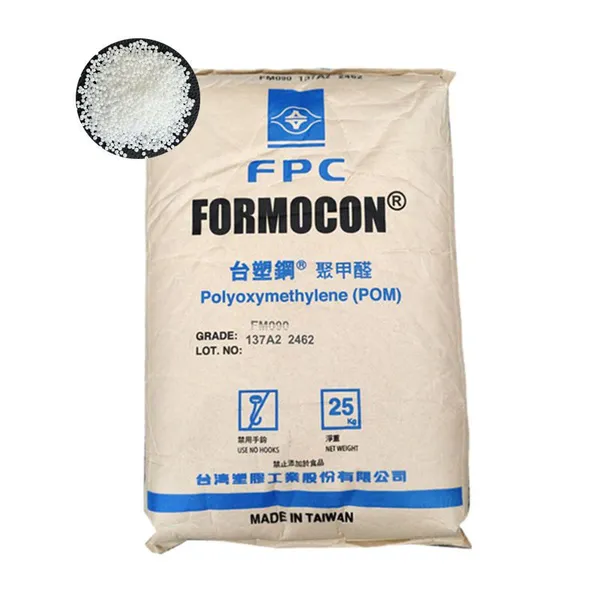
POM FM090AW PTFE Filled Wear Resistant Low Friction Acetal for Silent GearsNegotiableMOQ: 1 Kilogram
-
POM FM090 General Purpose Acetal Copolymer With Excellent MachinabilityNegotiableMOQ: 1 Kilogram
-
POM FM090 Standard Flow Acetal Copolymer Granules for Precision Injection MoldingNegotiableMOQ: 1 Kilogram
-
POM FM090 UV Stabilized Acetal Resin for Outdoor Automotive ComponentsNegotiableMOQ: 1 Kilogram
-
Technical Support Available POM K300 Acetal Copolymer for Precision Injection Molding ServiceNegotiableMOQ: 1 Kilogram
-
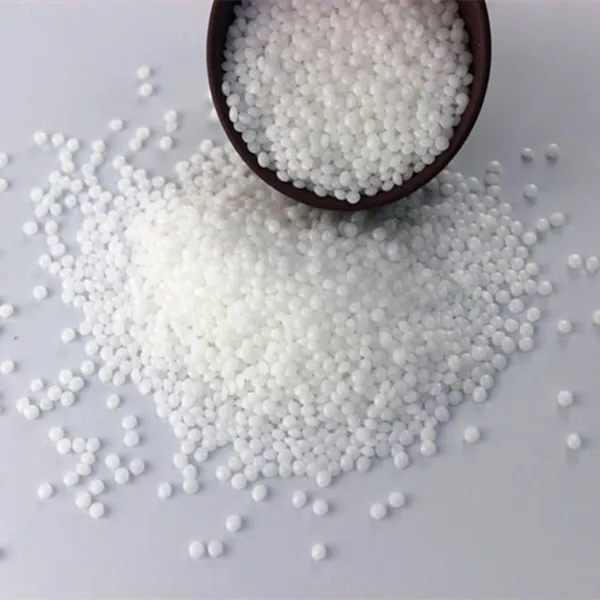
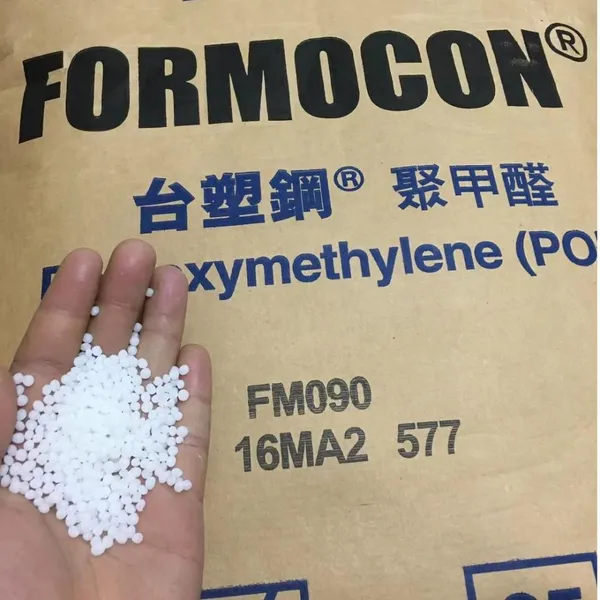
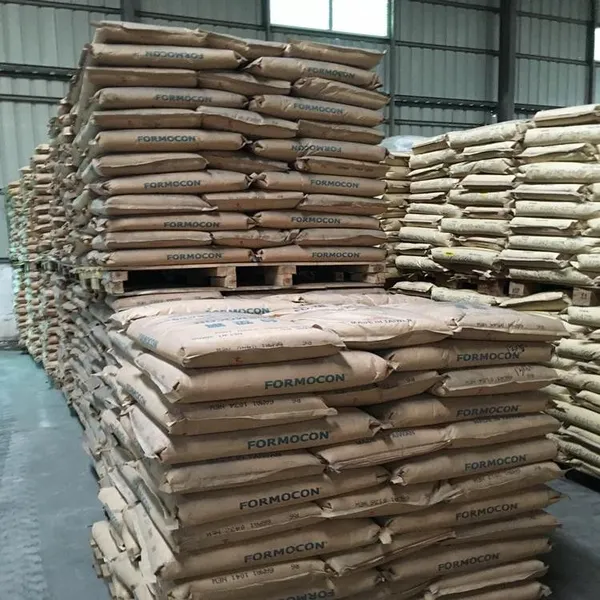
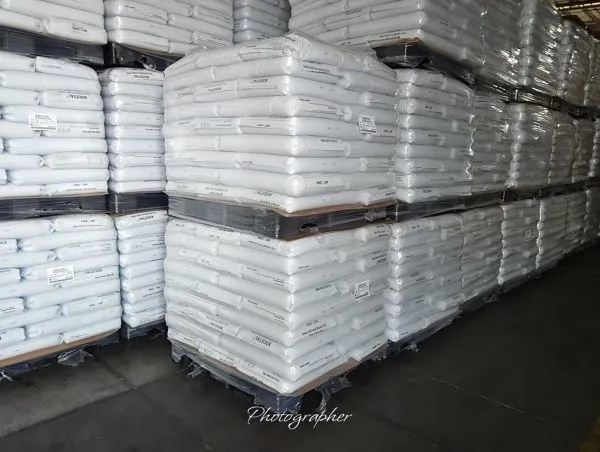
KOCETAL POM K300 Acetal Copolymer MFR 9 G/10min 1.41g/cm³ Tensile Strength 60MPaNegotiableMOQ: 1 Kilogram
-
Factory Price Polyacetal POM Resin FM090 for Engineering ApplicationsNegotiableMOQ: 1 Kilogram
-
High Strength Cheap POM FM090 UV Engineering Plastic for Automotive PartsNegotiableMOQ: 1 Kilogram
-
Virgin POM FM090 Granules Pellets Engineering Plastic Raw MaterialNegotiableMOQ: 1 Kilogram
-
POM K300 Plastic Granules 1.5% Shrinkage Rate 80 Shore D Hardness Stable Injection Molding PerformanceNegotiableMOQ: 1 Kilogram
-
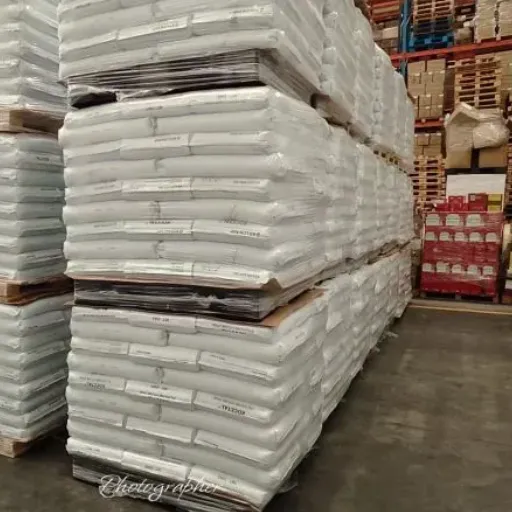
Low Friction Coefficient High Dimensional Stability POM K300 Acetal Copolymer Injection Molding GradeNegotiableMOQ: 1 Kilogram

-
POM K300 Acetal Sheet Used for Automotive Gear Components and Conveyor Chains in Industrial MachineryNegotiableMOQ: 1 Kilogram
-
POM K300 Engineering Plastic Sheet With Melting Point 165°C and Excellent Wear Resistance for MachiningNegotiableMOQ: 1 Kilogram
-
POM K300 Acetal Copolymer Injection Molding Grade With Low Friction Coefficient and High Dimensional StabilityNegotiableMOQ: 1 Kilogram
-
POM K300 Polyoxymethylene Resin MFI 9 Engineering Plastic Granule for Injection MoldingNegotiableMOQ: 1 Kilogram
-
Virgin POM Granules Polyoxymethylene Pellets Manufacturer Direct Price for Injection MoldingNegotiableMOQ: 1 Kilogram