Business License

Engineering Plastics for Automotive: A Material Selection Guide
The best engineering plastics for automotive applications are POM, nylon (PA), PBT, PC/ABS, and PP, each selected based on load, temperature, chemical exposure, and manufacturing method. Choosing the right material helps manufacturers reduce weight, improve performance, and maintain production consistency.
When a Tier 2 supplier in Jiangsu began quoting a new fuel-system component in early 2025, the engineering team assumed metal was the only option. After reviewing the assembly requirements, they switched to a POM grade with enhanced dimensional stability. The part lost 42% of its weight, assembly time dropped, and the customer approved the design for production. That single substitution changed how the supplier approached every new project.
You are probably facing similar decisions: which material will survive under-hood heat, which grade will hold tolerance in a precision gear, and how to avoid counterfeit or off-spec resin. This guide walks through the most common engineering plastics for automotive use, explains how to match material to application, and shows what to look for when sourcing.
By the end, you will understand the practical differences between leading automotive plastics, the selection criteria that matter most, and how to work with an authorized distributor to keep your supply chain reliable.
Key Takeaways
POM, nylon, PBT, PC/ABS, and PP cover the majority of automotive engineering plastics needs when matched to the right application.
Material selection depends on mechanical load, heat exposure, chemical contact, and the chosen manufacturing process.
Replacing metal with the right engineering plastic can reduce component weight by 30-50% while maintaining required performance.
Authorized sourcing with full documentation protects production from counterfeit resin and batch-to-batch variation.
Ailide Polymer supplies certified automotive-grade materials from global partners with nationwide delivery and technical support.
Why Engineering Plastics Are Replacing Metal in Automotive
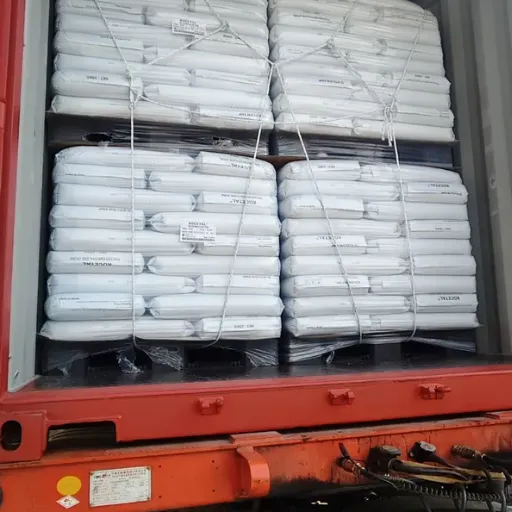
Automotive manufacturers have been shifting from metal to plastic for decades. The change is not about cost alone. Engineering plastics for automotive parts now deliver the mechanical performance, heat resistance, and durability that modern vehicles require.
Weight Reduction and Fuel Efficiency
Every kilogram removed from a vehicle improves fuel efficiency and electric-vehicle range. According to the Plastics Industry Association, plastics and polymer composites already account for roughly 50% of a typical vehicle's volume but only 10% of its weight. That ratio matters for electric vehicles, where range anxiety pushes every design decision toward lighter materials.
Engineering plastics such as POM, PA, and PBT offer strength-to-weight ratios that make them suitable for brackets, gears, housings, and structural clips. In many cases, a metal-to-plastic conversion removes 30-50% of the component weight without sacrificing function.
Cost and Design Flexibility
Plastics allow complex geometries that would be expensive or impossible to machine from metal. Injection molding can produce multi-functional parts with snap fits, ribs, and integrated mounting features in a single cycle. That reduces assembly steps, labor, and the number of parts in a bill of materials.
Surface finishes also improve with the right automotive plastic. PC/ABS and ABS grades can be molded with high gloss or textured appearances, making them ideal for interior trim and visible components.
Performance Under Demanding Conditions
Modern automotive environments are harsh. Under-hood temperatures routinely exceed 150 °C. Fluids such as engine oil, coolant, and brake fluid create chemical exposure. Vibration and impact loads test mechanical integrity over thousands of kilometers.
Engineering plastics for automotive applications are formulated to survive these conditions. Heat-stabilized nylon, glass-filled PBT, and UV-resistant PC/ABS are examples of how base polymers are modified to meet specific performance targets. The result is a material that can be tailored to the application rather than forcing the design to fit a single metal specification.
Want to see how these materials fit your project? Explore our automotive solutions or contact our technical team for a material recommendation.
Key Engineering Plastics for Automotive Applications
Not every engineering plastic is right for every automotive part. Below are the most widely used categories, with their typical roles and selection considerations.
POM (Polyoxymethylene) for Precision Mechanical Parts
POM, also called acetal or polyoxymethylene, is a semi-crystalline engineering plastic known for low friction, high stiffness, and excellent dimensional stability. It is one of the most reliable engineering plastics for automotive precision parts such as gears, bushings, fuel-system components, and seat-adjustment mechanisms.
POM resists wear and maintains tight tolerances over long service life. Copolymer grades offer better chemical resistance than homopolymer grades, while glass-reinforced POM improves stiffness and creep resistance for load-bearing applications. Learn more about available grades on our POM products page.
When an automotive seat manufacturer in Ningbo switched from metal to a POM gear for the height-adjustment mechanism, the company reduced part weight by 38% and eliminated secondary machining operations. The molded gear ran quieter than the metal version and passed the full durability test cycle.
Nylon (PA) for Wear-Resistant Components
Nylon, or polyamide (PA), is valued for high mechanical strength, wear resistance, and fatigue resistance. PA6 and PA66 are the most common automotive grades, with PA66 offering higher heat resistance and lower moisture absorption than PA6. Glass-filled and heat-stabilized versions extend the range of under-hood applications.
Nylon is widely used for engine covers, radiator end tanks, bushings, bearings, and cable ties. The material handles mechanical loads well but requires attention to moisture absorption, which can affect dimensions and properties. For this reason, nylon grades for automotive use are often stabilized or reinforced.
Our nylon products page lists PA grades suitable for gears, bearings, and industrial components.
PBT for Electrical Connectors and Housings
PBT (polybutylene terephthalate) is a semi-crystalline thermoplastic that combines good dimensional stability, electrical insulation, and chemical resistance. It is one of the leading engineering plastics for automotive electrical connectors, sensor housings, fuse boxes, and ignition-system components.
PBT absorbs less moisture than nylon and can be easily molded into thin-walled, precision parts. Flame-retardant and glass-reinforced grades are common for components that must meet electrical safety standards. For connector-grade options, see our PBT products page.
A supplier of automotive sensors in Suzhou selected a glass-reinforced PBT for a connector housing that needed to withstand 150 °C under-hood temperatures and resist oil exposure. The material passed thermal cycling tests and reduced the housing weight by 45% compared to the previous die-cast aluminum design.
PC/ABS for Interior and Exterior Trim
PC/ABS blends combine the impact strength and heat resistance of polycarbonate (PC) with the processability and surface quality of ABS. This makes PC/ABS one of the most versatile automotive plastics for dashboards, instrument panels, interior trim, grilles, and mirror housings.
PC/ABS offers excellent impact resistance at low temperatures, which is critical for both interior safety parts and exterior components exposed to cold climates. Heat-stabilized, UV-resistant, and low-gloss grades are available for specific styling and durability requirements. Browse our PC/ABS products page for available grades.
PP for Lightweight Interior and Under-Hood Parts
Polypropylene (PP) is a general-purpose plastic with low density, good chemical resistance, and excellent cost performance. In automotive applications, PP is used for bumpers, fenders, interior panels, battery trays, and under-hood ducting. Talc-filled and glass-reinforced PP grades improve stiffness and heat resistance for structural applications.
While PP is not always classified as an engineering plastic, modified PP grades play a major role in automotive lightweighting and are often sourced alongside engineering plastics. View our PP products page for automotive-grade options.
Material Selection Criteria for Automotive Components
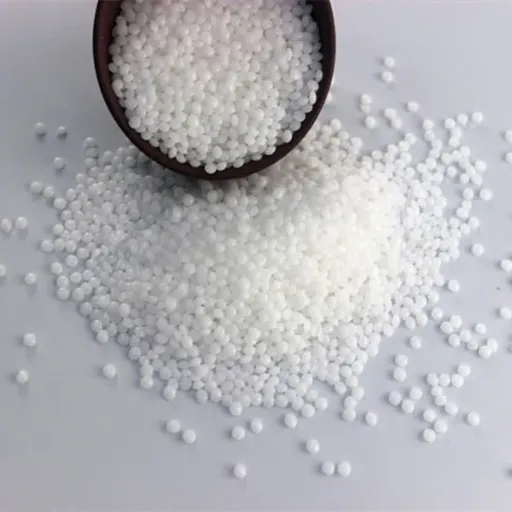
Choosing among engineering plastics for automotive parts requires a structured approach. The wrong material can cause premature failure, dimensional issues, or processing problems. The right material balances performance, cost, and manufacturability.
Mechanical Load and Temperature
Start by defining the mechanical load and operating temperature. A gear under constant torque needs high stiffness, creep resistance, and low wear. POM and glass-filled nylon are common choices. A connector housing exposed to 150 °C under the hood needs a heat-stabilized PBT or PA66 grade.
Heat deflection temperature (HDT) and continuous-use temperature are key data points. These values are found on the technical data sheet (TDS) for each material grade. Always compare TDS values against the worst-case operating conditions, not average conditions.
Chemical and Environmental Exposure
Automotive fluids, road salt, UV radiation, and humidity affect material performance. POM and PBT resist many automotive fluids, while nylon can absorb moisture and change dimensions. UV-stabilized grades are essential for exterior parts.
Chemical compatibility testing is often required. A material that performs well in dry conditions may degrade when exposed to coolant or brake fluid over time. Review the supplier's chemical resistance data and run validation tests before committing to production.
Processing Method and Design Constraints
Most automotive plastic parts are injection molded. The material must flow well into the mold, fill thin walls, and maintain dimensional stability after cooling. Consider mold shrinkage, gate design, and processing temperature when selecting a grade.
Wall thickness, draft angles, and rib design all influence material choice. Some grades require drying before processing. Others are sensitive to residence time in the barrel. Your molder or material supplier can help match the grade to your process.
Need help selecting the right automotive grade? Our technical support team can review your requirements and recommend certified grades from our authorized supplier network.
Sourcing Engineering Plastics for Automotive Production
Material selection is only half the challenge. Sourcing the right grade from a reliable supplier is equally important for automotive production continuity.
Authorized Distribution and Material Traceability
Counterfeit and off-spec polymer resin remains a serious risk in the plastics supply chain. Authorized distributors source materials directly from recognized producers and provide documentation that supports traceability. This is critical for automotive suppliers who must pass customer audits and meet quality standards.
Ailide Polymer maintains long-term cooperative relationships with leading global resin producers including DuPont, Polyplastics, Chi Mei, Formosa Plastics, LCY Chemical, Asahi Kasei, Bayer, and BASF. Materials are supplied through authorized channels with proper documentation to support batch traceability and quality assurance. Learn more about our quality assurance process.
Documentation and Quality Assurance
Automotive customers typically require a technical data sheet (TDS), certificate of analysis (COA), and material safety data for every batch. These documents confirm that the resin meets the specified grade, lot number, and property requirements. Suppliers often follow SAE International and OEM material standards when generating this documentation.
Working with a distributor that provides complete documentation reduces audit risk and protects against production stoppages caused by material issues. Before placing a trial order, confirm that the supplier can provide the documents your customer or quality system requires.
When a wiring-harness supplier in Wuxi began shipping to a major OEM, the customer's quality audit required full traceability from raw material to finished part. By switching to an authorized distributor that provided TDS and COA for every batch, the supplier passed the audit and secured a long-term contract.
Future Trends in Engineering Plastics for Automotive
The automotive industry continues to evolve, and engineering plastics for automotive applications are evolving with it. Several trends are shaping material selection and sourcing strategies.
Electrification and Thermal Management
Electric vehicles (EVs) require materials that manage heat, insulate electrically, and reduce weight. Battery housings, connectors, and thermal management components demand flame-retardant, thermally stable grades. PBT, PA, and modified PP are increasingly used in EV battery and charging-system applications.
Lightweighting and Sustainability
Regulatory pressure and range targets push manufacturers to reduce vehicle weight. Recycled-content engineering plastics and bio-based alternatives are gaining interest, though they must meet the same performance and traceability standards as virgin materials. Leading material suppliers such as BASF continue to develop automotive grades that balance performance and sustainability. Suppliers who can document recycled content and consistent quality are well-positioned for this shift.
Integrated Functions and Smart Materials
Modern automotive parts often combine mechanical, electrical, and sensor functions. Multi-material designs and overmolding technologies are becoming more common, requiring close coordination between material selection, part design, and processing.
Pro Tip: Always validate material performance in the actual application environment before approving production. Laboratory data is useful, but real-world testing under load, temperature, and chemical exposure reveals the true suitability of an engineering plastic for automotive use.
Frequently Asked Questions
What are the most common engineering plastics used in automotive parts?
The most common engineering plastics for automotive applications are POM (polyoxymethylene), nylon (PA), PBT (polybutylene terephthalate), PC/ABS blends, and modified PP. Each is chosen based on the specific mechanical, thermal, and chemical requirements of the part.
How do I choose between POM and nylon for gears?
POM offers lower friction and better dimensional stability, making it ideal for precision gears and low-moisture environments. Nylon provides higher mechanical strength and fatigue resistance but absorbs moisture, which can affect dimensions. For wet or high-load conditions, consider glass-filled or moisture-stabilized nylon.
What is the best plastic for under-hood automotive applications?
Heat-stabilized nylon (PA66), glass-filled PBT, and modified PP are commonly used under the hood. The best choice depends on temperature, chemical exposure, and mechanical load. Always review the technical data sheet for heat deflection temperature and continuous-use temperature.
Can engineering plastics replace metal in automotive components?
Yes, in many applications. Engineering plastics for automotive parts can replace metal in brackets, gears, housings, connectors, and trim components. Successful metal-to-plastic conversion requires careful material selection, part design, and validation testing.
Why is material traceability important for automotive suppliers?
Automotive OEMs and Tier 1 suppliers require documented material traceability for quality assurance, audits, and recall management. Authorized distributors provide batch-specific documentation that supports compliance and reduces the risk of counterfeit resin entering the supply chain.
Conclusion
Engineering plastics for automotive applications have become essential materials for modern vehicle design. POM, nylon, PBT, PC/ABS, and PP each serve distinct roles when selected based on load, temperature, chemical exposure, and processing method.
Key takeaways from this guide:
The right engineering plastic can reduce component weight, improve design flexibility, and lower total cost.
Material selection must be based on real operating conditions, not just material properties in isolation.
Authorized sourcing with full documentation protects automotive suppliers from counterfeit resin and quality risks.
Working with a distributor that offers technical support and nationwide delivery helps maintain production continuity.
Whether you are developing a new precision gear, an under-hood connector, or an interior trim component, selecting the right material is the first step toward reliable performance. If you need certified engineering plastics for automotive production, contact our team to request a quote, discuss material options, or download a technical data sheet.
Recently Posted
-
ABS in Automotive Interiors: From Dashboards to Door Panels
September 2, 2026A tier-two supplier once substituted a general-purpose ABS for an automotive-grade ABS on a door trim component to save 4% on resi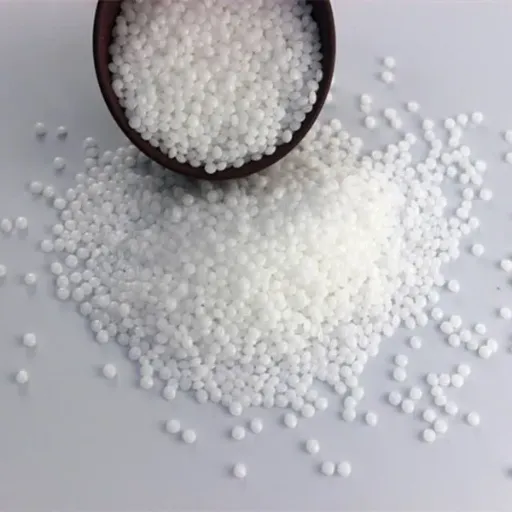 Read More
 -
ABS Flame Retardant Grades and UL 94 Ratings Explained: A Practical Guide for Buyers and Designers
September 2, 2026An electronics manufacturer once submitted a power-supply housing molded from standard ABS to a safety certification test. The mat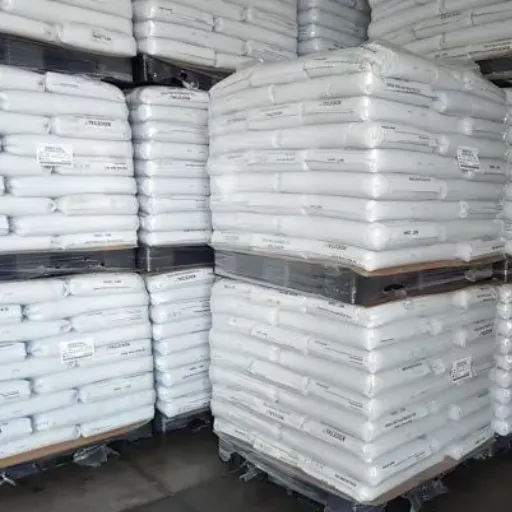 Read More
 -
KOCETAL K300 vs Formosa FM090 vs DURACON M90: Picking the Right Medium-Viscosity POM
September 2, 2026A gear shop in India once ordered a container of acetal copolymer based on a 5% price discount, without checking whether the grade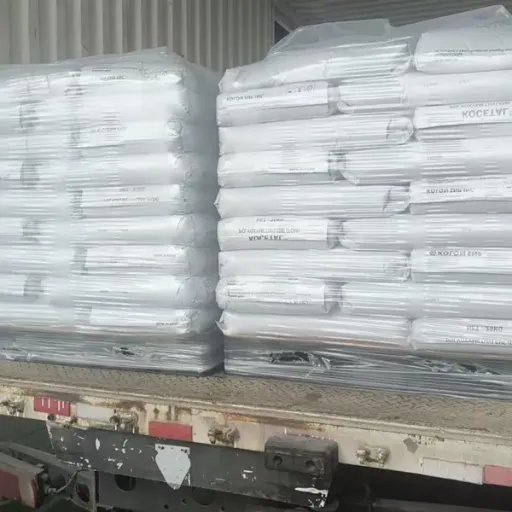 Read More
 -
PP vs PE: Which Polyolefin Resin Fits Your Application?
September 2, 2026A bottle manufacturer once chose HDPE for a hot-fill juice container and watched the bottles distort on the filling line. The mate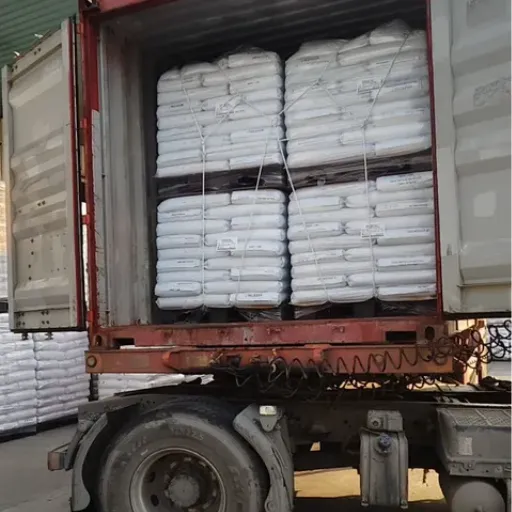 Read More

Contact Us
Recommended Products
-
 Automotive Interior Clip and Door Lock POM K300 Injection Molding Material With Low FrictionNegotiableMOQ: 1 Kilogram
 -
KOCETAL POM K300 Virgin Pellets For Precision Gear Bearing Automotive Latch Water Valve PartsNegotiableMOQ: 1 Kilogram
-
Original Kolon POM K300 Engineering Plastic Wear Resistant Self Lubricating Acetal GranulesNegotiableMOQ: 1 Kilogram
-
Self-Lubricating POM K300 HDT 120°C Wear Resistant Resin With 0.2% Moisture AbsorptionNegotiableMOQ: 1 Kilogram
-
POM FM090AW PTFE Filled Wear Resistant Low Friction Acetal for Silent GearsNegotiableMOQ: 1 Kilogram
-
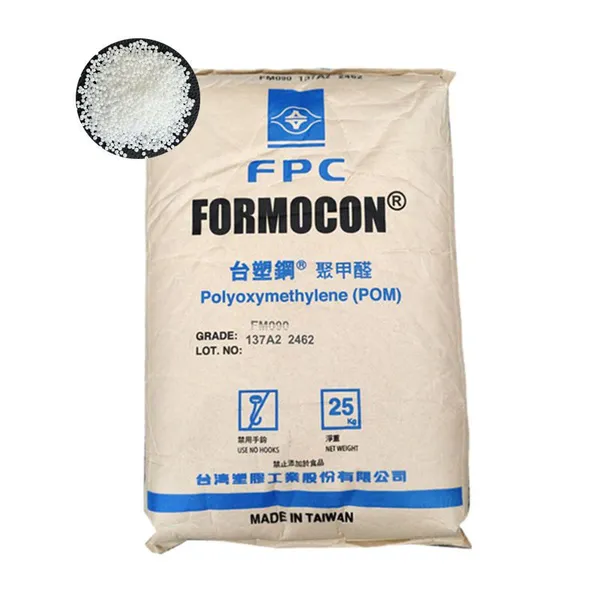
POM FM090 General Purpose Acetal Copolymer With Excellent MachinabilityNegotiableMOQ: 1 Kilogram
-
POM FM090 Standard Flow Acetal Copolymer Granules for Precision Injection MoldingNegotiableMOQ: 1 Kilogram
-
POM FM090 UV Stabilized Acetal Resin for Outdoor Automotive ComponentsNegotiableMOQ: 1 Kilogram
-
Technical Support Available POM K300 Acetal Copolymer for Precision Injection Molding ServiceNegotiableMOQ: 1 Kilogram
-
KOCETAL POM K300 Acetal Copolymer MFR 9 G/10min 1.41g/cm³ Tensile Strength 60MPaNegotiableMOQ: 1 Kilogram
-
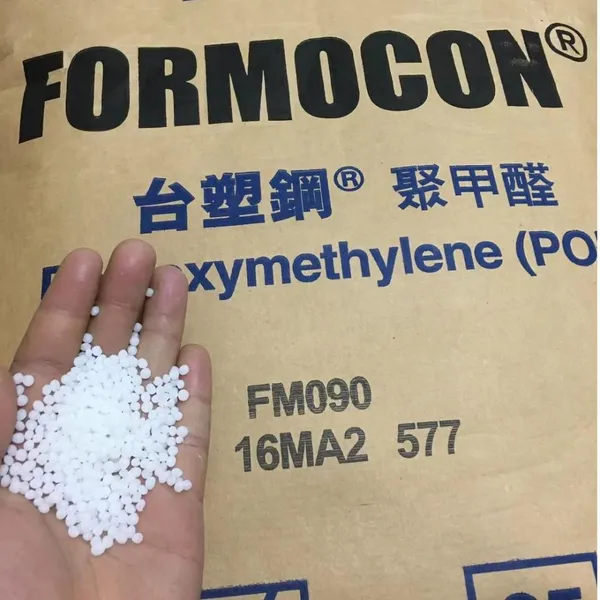
Factory Price Polyacetal POM Resin FM090 for Engineering ApplicationsNegotiableMOQ: 1 Kilogram
-
High Strength Cheap POM FM090 UV Engineering Plastic for Automotive PartsNegotiableMOQ: 1 Kilogram
-
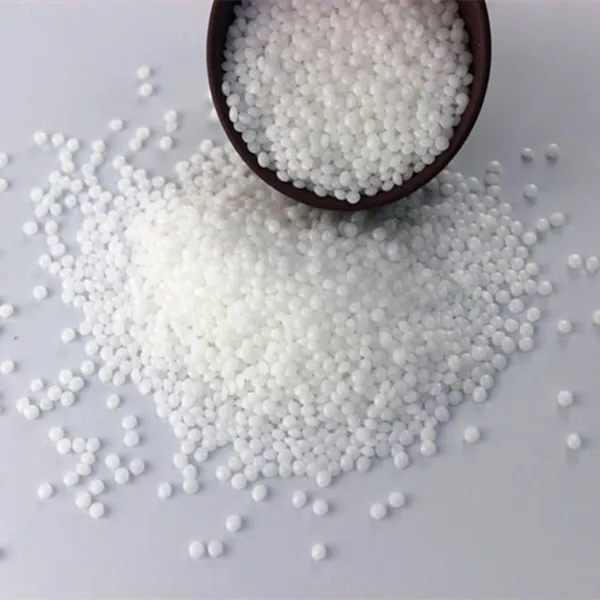
Virgin POM FM090 Granules Pellets Engineering Plastic Raw MaterialNegotiableMOQ: 1 Kilogram
-
POM K300 Plastic Granules 1.5% Shrinkage Rate 80 Shore D Hardness Stable Injection Molding PerformanceNegotiableMOQ: 1 Kilogram
-
Low Friction Coefficient High Dimensional Stability POM K300 Acetal Copolymer Injection Molding GradeNegotiableMOQ: 1 Kilogram

-
POM K300 Acetal Sheet Used for Automotive Gear Components and Conveyor Chains in Industrial MachineryNegotiableMOQ: 1 Kilogram
-
POM K300 Engineering Plastic Sheet With Melting Point 165°C and Excellent Wear Resistance for MachiningNegotiableMOQ: 1 Kilogram
-
POM K300 Acetal Copolymer Injection Molding Grade With Low Friction Coefficient and High Dimensional StabilityNegotiableMOQ: 1 Kilogram
-
POM K300 Polyoxymethylene Resin MFI 9 Engineering Plastic Granule for Injection MoldingNegotiableMOQ: 1 Kilogram
-
Virgin POM Granules Polyoxymethylene Pellets Manufacturer Direct Price for Injection MoldingNegotiableMOQ: 1 Kilogram