Business License

What Is ABS Plastic Used For? A Practical Guide to Industrial Applications
ABS plastic is used for applications that need impact strength, good surface finish, and easy processing at a moderate cost. Its most common uses include appliance housings, automotive interior trim, electronics enclosures, toys, pipe fittings, and consumer product parts. Wherever a manufacturer needs a tough, attractive thermoplastic that can be injection molded, extruded, or thermoformed, ABS is usually on the shortlist.
If you have ever tapped the glossy shell of a vacuum cleaner, snapped a LEGO brick together, or installed a white plastic drain fitting, you have handled ABS. Those familiar parts only tell part of the story. Behind them is a material chosen by engineers for a specific balance of properties: rigidity, toughness, and the ability to take color and texture well.
This guide explains what ABS plastic is, why it fits those applications, where it outperforms alternatives, and where it falls short. You will also learn how Ailide Polymer supplies certified ABS grades from global producers and how to choose the right grade for your product.
Ailide Polymer distributes ABS resin through authorized channels in China, so the application guidance below reflects what we quote, stock, and support for manufacturers every day.
Key Takeaways
ABS plastic is a terpolymer of acrylonitrile, butadiene, and styrene, valued for impact strength, surface finish, and processability.
Common uses include appliance housings, automotive interior trim, electronics enclosures, toys, pipe fittings, and 3D printing filament.
ABS performs best in indoor applications between -20 °C and 80 °C; it is not ideal for long-term outdoor UV exposure or high-heat environments.
Modified grades include flame-retardant, glass-filled, high-heat, and PC/ABS blends for more demanding applications.
Buying ABS through an authorized distributor protects against off-spec resin, inconsistent color, and missing documentation.
What Is ABS Plastic?
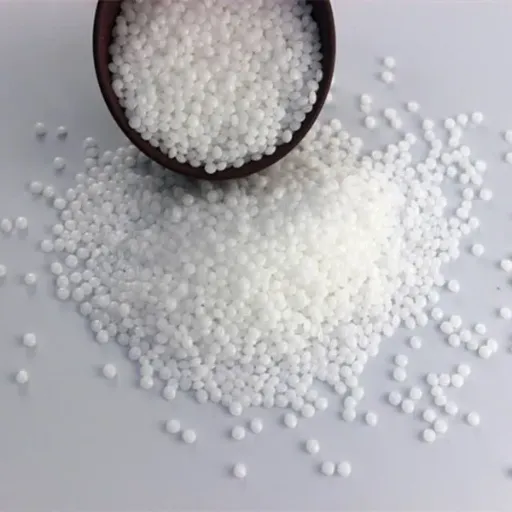
Acrylonitrile butadiene styrene (ABS) is an amorphous thermoplastic made by combining three monomers. Acrylonitrile gives chemical resistance and heat stability. Butadiene provides toughness and impact strength at low temperatures. Styrene contributes rigidity, gloss, and processability.
The result is a material that machines easily, accepts paint and adhesive well, and delivers a good cosmetic surface straight from the mold.
ABS is produced by emulsion or continuous mass polymerization. It is available as general-purpose injection molding grades, extrusion grades, high-impact grades, high-heat grades, flame-retardant grades, glass-reinforced grades, and specialty blends such as PC/ABS. For official background, the Wikipedia entry on acrylonitrile butadiene styrene provides a neutral technical overview, while the Plastics Industry Association tracks broader market data.
Why ABS Plastic Is Used in So Many Industries
The popularity of ABS comes from a practical combination of properties rather than any single standout number. Engineers choose it because it solves several problems at once.
Impact resistance: ABS absorbs shocks without shattering, which matters for products dropped in everyday use.
Surface finish: It molds to a smooth, glossy surface that can be left as-is, painted, plated, or textured.
Processability: It flows well in injection molding and can also be extruded or thermoformed.
Dimensional stability: Low shrinkage and good stability make it forgiving for tight-tolerance parts.
Cost position: ABS sits in a sweet spot between commodity plastics and higher-priced engineering plastics.
Colorability: It takes pigments and masterbatches easily, so brand colors are simple to match.
These properties make ABS the default choice for visible, structural, or handled parts where appearance and durability matter more than extreme heat or chemical resistance.
Typical ABS Properties at a Glance
| Property | Typical Value | Test Method |
|---|---|---|
| Density | 1.03-1.06 g/cm³ | ISO 1183 |
| Tensile strength | 35-50 MPa | ISO 527 |
| Flexural modulus | 2,000-2,500 MPa | ISO 178 |
| Notched Izod impact | 15-35 kJ/m² | ISO 180 |
| Heat deflection temperature (1.8 MPa) | 85-100 °C | ISO 75 |
| Vicat softening point | 95-105 °C | ISO 306 |
For grade-specific values, always check the technical data sheet supplied with your order. You can also cross-check typical ABS data on independent databases such as Omnexus.
What Is ABS Plastic Used For? Key Application Areas
Appliance Housings and Interiors
ABS dominates the appliance industry for housings, control panels, door liners, and trim. Vacuum cleaners, coffee makers, microwaves, refrigerators, and air conditioners all use ABS because it combines impact resistance with an attractive surface finish. Manufacturers can also plate ABS for metallic trim or coat it for soft-touch effects.
For example, when a Suzhou appliance supplier we work with switched the control panel of a countertop oven from polystyrene to ABS in 2024, field damage from shipping drops fell noticeably.
The part cost a little more per kilogram. Even so, warranty claims for cracked bezels dropped by more than half over the first year.
Automotive Interior Trim
Inside the car, ABS appears in dashboard trim, door panels, center consoles, vents, and pillar covers. It is valued for its ability to hold texture and color consistently across large panels. For higher heat requirements, automotive grades often use heat-resistant ABS or PC/ABS blends.
If your part sits near the windshield or engine bay, a standard ABS grade may soften. In those zones, our PC/ABS blends typically perform better because PC raises the heat deflection temperature.
Electronics and Electrical Enclosures
Laptops, keyboards, monitor housings, routers, power tools, and phone chargers commonly use ABS. It provides electrical insulation, impact protection, and a surface that can be textured to hide fingerprints. Flame-retardant grades are used where safety standards require reduced flammability.
Toys and Consumer Goods
LEGO bricks are the most famous ABS application. The material's toughness and precise molding behavior let small parts snap together and apart thousands of times without breaking. Other consumer uses include luggage shells, sporting goods, cosmetic packaging, and kitchen gadgets.
Pipes, Fittings, and Plumbing Components
ABS pipe and fittings are widely used in drainage, waste, and vent systems. The material is lightweight, easy to solvent-weld, and resistant to many household chemicals. It is common in residential and commercial plumbing, especially in North America.
3D Printing Filament
ABS filament is one of the most common materials for fused deposition modeling. It offers higher temperature resistance than PLA and can be vapor-smoothed with acetone for a glossy finish. Its tendency to warp means it needs a heated bed and enclosed build chamber.
Other Common Uses
Medical device housings (non-implant, where sterilization and regulatory requirements are met)
Musical instruments such as clarinet bodies and recorder components
Signage and display units that need rigidity and easy fabrication
Luggage and protective cases where light weight and toughness combine
Where ABS Outperforms Other Plastics
Choosing ABS usually means comparing it against polypropylene, polystyrene, polycarbonate, or PC/ABS.
ABS vs Polypropylene
Polypropylene is cheaper and more chemically resistant, but ABS is stiffer, has better surface gloss, and is easier to paint or plate. For visible housings and handled parts, ABS usually wins despite the higher material cost.
ABS vs Polystyrene
Polystyrene is lower cost and easier to process, but it is brittle. ABS adds rubbery butadiene particles that absorb impact, making it far more durable in real-world use. The appliance control panel example above is a textbook case of ABS replacing polystyrene for toughness.
ABS vs Polycarbonate
Polycarbonate is stronger and more heat resistant, but it costs more and scratches more easily. ABS is the economical choice when extreme impact or heat is not required. For applications needing both, PC/ABS blends split the difference.
ABS vs PC/ABS Blends
PC/ABS adds polycarbonate to ABS, improving heat resistance and impact strength. It is the standard choice for automotive interiors, laptop housings, and other parts that see slightly higher temperatures or more demanding mechanical loads.
For a deeper comparison of ABS and PC/ABS, see our guide on ABS vs PC/ABS: which to choose.
Limitations and Where ABS Is Not the Right Choice
ABS is versatile, but it is not universal. Avoid it or choose a modified grade when:
UV exposure is continuous: Standard ABS yellows and becomes brittle outdoors. Use UV-stabilized grades or consider ASA or PC for outdoor parts.
Temperatures stay above 80-90 °C: Standard ABS softens. Choose high-heat ABS or PC/ABS for under-hood or high-temperature electronics.
Chemical resistance is critical: ABS resists many household chemicals but can stress-crack in strong solvents, ketones, or esters.
Food contact or medical implant use is required: Only specific FDA or medical grades qualify, and they need proper certification.
Extreme clarity is needed: ABS is opaque. For transparency, use PC, PMMA, or PET.
How to Choose the Right ABS Grade
Selecting an ABS grade means matching the material to the part's mechanical, thermal, cosmetic, and regulatory requirements. Ask these questions:
What is the maximum service temperature? Standard ABS handles up to about 80 °C; high-heat grades extend this.
Will the part be painted, plated, or left as molded? Cosmetic grades are optimized for surface appearance.
Is impact resistance critical at low temperatures? High-impact grades suit cold environments or handled products.
Are flame-retardant standards required? UL94 V-0 or HB grades are available for electrical and transportation uses.
Does the part need extra stiffness? Glass-filled ABS increases rigidity but reduces surface gloss.
Is outdoor exposure expected? UV-stabilized ABS or ASA is a better fit.
Ailide Polymer's technical team can help match these requirements to specific grades from our authorized supply partners. Our technical support team reviews application requirements and recommends grades with full documentation.
Need help selecting an ABS grade? Request a technical data sheet or contact our team for grade-specific guidance.
Sourcing ABS Plastic from an Authorized Distributor
Not all ABS on the market is equal. Off-spec blends, off-color regrind, and counterfeit packaging are common problems in the spot market. The risks show up as inconsistent shrinkage, poor weld lines, color drift between batches, and weak impact performance.
Here is what happened to a customer named David, a purchasing manager at a Wuxi electronics enclosure manufacturer. In early 2025, his team bought ABS from an unknown trader to save on a rush order. The first batch molded well.
The second batch looked different. Pellet color varied, and the melt flow rate was lower. Parts warped out of tolerance, and 8% of the shipment was rejected. After switching to an authorized-channel supplier with batch certificates and technical data sheets, David's rejection rate returned to under 1%.
To protect your production, follow these practices:
Buy through authorized channels: Verify that your supplier sources directly from recognized ABS producers.
Request documentation: Every lot should come with a technical data sheet and certificate of analysis.
Check packaging: Authentic resin ships in original bags with clear lot codes and manufacturer markings.
Test before scaling: Run a trial batch and compare properties against the datasheet.
Be cautious of unusually low prices: Deep discounts often signal blended or off-spec material.
Ailide Polymer supplies certified ABS from globally recognized producers with full batch traceability. Learn more about our authorized supplier network and quality assurance process.
Ready to validate ABS in your application? Request ABS samples with lot-specific documentation before committing to volume.
Frequently Asked Questions
What is ABS plastic used for?
ABS plastic is used for appliance housings, automotive interior trim, electronics enclosures, toys, pipe fittings, luggage, and 3D printing filament. It is valued for impact resistance, surface finish, and easy processing.
Is ABS plastic strong?
ABS has good impact strength and rigidity for many consumer and industrial applications. It is tougher than polystyrene but not as strong as polycarbonate or nylon. For higher loads, consider PC/ABS or glass-filled ABS.
Can ABS plastic be used outdoors?
Standard ABS is not recommended for long-term outdoor use because UV light causes yellowing and embrittlement. Use UV-stabilized ABS, ASA, or PC for outdoor exposure.
What is the difference between ABS and PC/ABS?
PC/ABS is a blend that adds polycarbonate to ABS, improving heat resistance and impact strength. It is used for more demanding applications such as automotive interiors and laptop housings.
Is ABS plastic food safe?
Only specific FDA-compliant ABS grades are suitable for food contact. Standard ABS is not food safe. Always confirm regulatory compliance with the supplier before use in food-contact applications.
What temperature can ABS plastic handle?
Standard ABS has a heat deflection temperature around 85-100 °C and a Vicat softening point near 95-105 °C. Continuous use above 80 °C may cause softening in standard grades.
How is ABS plastic processed?
ABS is most commonly injection molded. It can also be extruded into sheet and pipe, thermoformed, and used as 3D printing filament. Drying before molding is recommended to prevent surface defects.
Conclusion: Is ABS the Right Material for Your Part?
ABS plastic is the workhorse of consumer and industrial product design. Its balance of toughness, appearance, and processability explains why it appears in appliances, cars, electronics, toys, and plumbing systems around the world.
ABS is ideal for impact-resistant housings and visible parts that do not face high heat or UV exposure.
It outperforms polystyrene and polypropylene in surface finish and toughness.
PC/ABS blends extend performance when higher heat or impact is needed.
UV-stabilized, high-heat, flame-retardant, and glass-filled grades cover many specialized needs.
Authorized sourcing with full documentation is the safest way to ensure consistent quality.
Your next step is to match your part's temperature, impact, cosmetic, and regulatory requirements to the right ABS grade, then validate with a trial batch.
Ready to move forward? Request a quote for ABS plastic with technical data sheets and certificates of analysis, or speak with our material specialists about your specific application. With certified material and the right grade choice, your parts will look and perform exactly as designed, batch after batch.
Recently Posted
-
ABS in Automotive Interiors: From Dashboards to Door Panels
September 2, 2026A tier-two supplier once substituted a general-purpose ABS for an automotive-grade ABS on a door trim component to save 4% on resi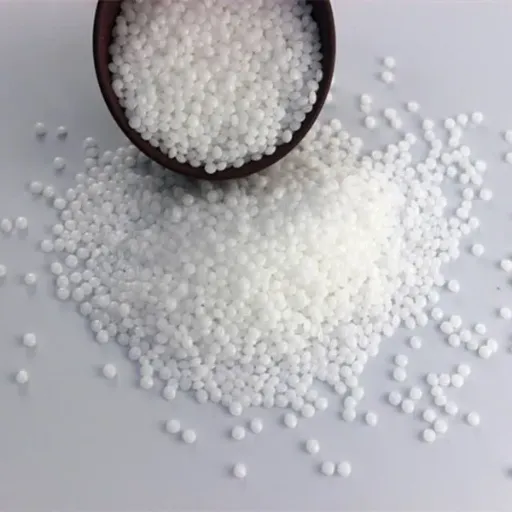 Read More
 -
ABS Flame Retardant Grades and UL 94 Ratings Explained: A Practical Guide for Buyers and Designers
September 2, 2026An electronics manufacturer once submitted a power-supply housing molded from standard ABS to a safety certification test. The mat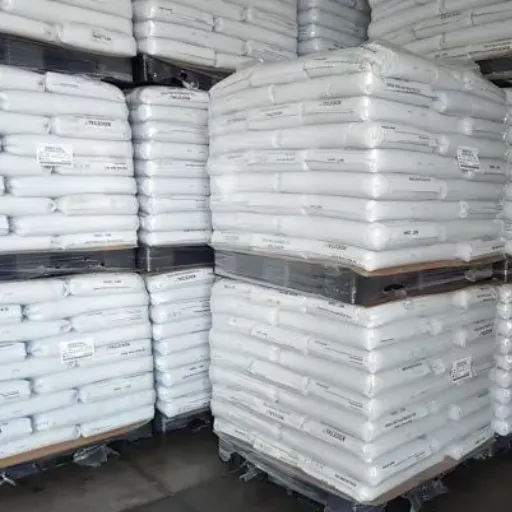 Read More
 -
KOCETAL K300 vs Formosa FM090 vs DURACON M90: Picking the Right Medium-Viscosity POM
September 2, 2026A gear shop in India once ordered a container of acetal copolymer based on a 5% price discount, without checking whether the grade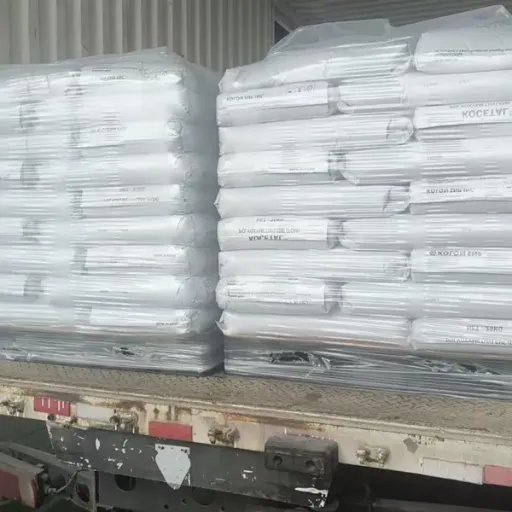 Read More
 -
PP vs PE: Which Polyolefin Resin Fits Your Application?
September 2, 2026A bottle manufacturer once chose HDPE for a hot-fill juice container and watched the bottles distort on the filling line. The mate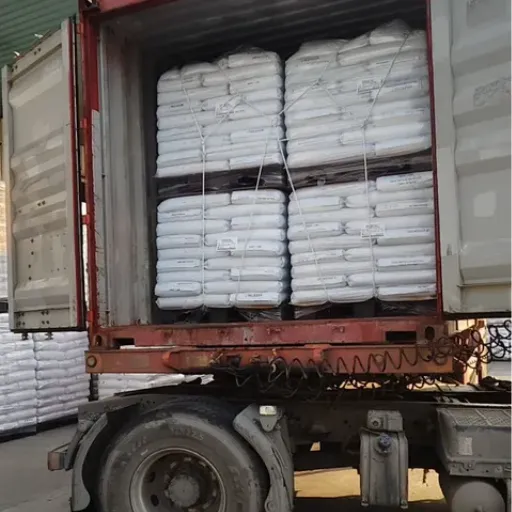 Read More

Contact Us
Recommended Products
-
 Automotive Interior Clip and Door Lock POM K300 Injection Molding Material With Low FrictionNegotiableMOQ: 1 Kilogram
 -
KOCETAL POM K300 Virgin Pellets For Precision Gear Bearing Automotive Latch Water Valve PartsNegotiableMOQ: 1 Kilogram
-
Original Kolon POM K300 Engineering Plastic Wear Resistant Self Lubricating Acetal GranulesNegotiableMOQ: 1 Kilogram
-
Self-Lubricating POM K300 HDT 120°C Wear Resistant Resin With 0.2% Moisture AbsorptionNegotiableMOQ: 1 Kilogram
-
POM FM090AW PTFE Filled Wear Resistant Low Friction Acetal for Silent GearsNegotiableMOQ: 1 Kilogram
-
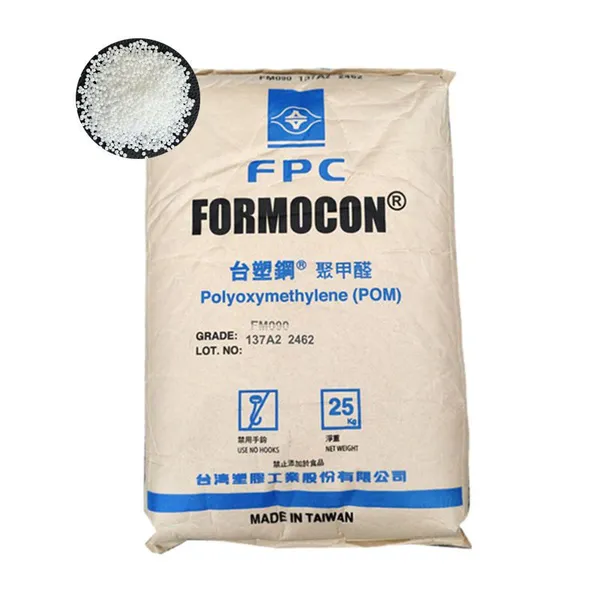
POM FM090 General Purpose Acetal Copolymer With Excellent MachinabilityNegotiableMOQ: 1 Kilogram
-
POM FM090 Standard Flow Acetal Copolymer Granules for Precision Injection MoldingNegotiableMOQ: 1 Kilogram
-
POM FM090 UV Stabilized Acetal Resin for Outdoor Automotive ComponentsNegotiableMOQ: 1 Kilogram
-
Technical Support Available POM K300 Acetal Copolymer for Precision Injection Molding ServiceNegotiableMOQ: 1 Kilogram
-
KOCETAL POM K300 Acetal Copolymer MFR 9 G/10min 1.41g/cm³ Tensile Strength 60MPaNegotiableMOQ: 1 Kilogram
-
Factory Price Polyacetal POM Resin FM090 for Engineering ApplicationsNegotiableMOQ: 1 Kilogram
-
High Strength Cheap POM FM090 UV Engineering Plastic for Automotive PartsNegotiableMOQ: 1 Kilogram
-
Virgin POM FM090 Granules Pellets Engineering Plastic Raw MaterialNegotiableMOQ: 1 Kilogram
-
POM K300 Plastic Granules 1.5% Shrinkage Rate 80 Shore D Hardness Stable Injection Molding PerformanceNegotiableMOQ: 1 Kilogram
-
Low Friction Coefficient High Dimensional Stability POM K300 Acetal Copolymer Injection Molding GradeNegotiableMOQ: 1 Kilogram

-
POM K300 Acetal Sheet Used for Automotive Gear Components and Conveyor Chains in Industrial MachineryNegotiableMOQ: 1 Kilogram
-
POM K300 Engineering Plastic Sheet With Melting Point 165°C and Excellent Wear Resistance for MachiningNegotiableMOQ: 1 Kilogram
-
POM K300 Acetal Copolymer Injection Molding Grade With Low Friction Coefficient and High Dimensional StabilityNegotiableMOQ: 1 Kilogram
-
POM K300 Polyoxymethylene Resin MFI 9 Engineering Plastic Granule for Injection MoldingNegotiableMOQ: 1 Kilogram
-
Virgin POM Granules Polyoxymethylene Pellets Manufacturer Direct Price for Injection MoldingNegotiableMOQ: 1 Kilogram