

 Business License

ABS vs Polypropylene: How to Choose the Right Plastic
ABS vs polypropylene is one of the most common material decisions for housings, enclosures, and consumer-goods parts. ABS is the better choice when you need surface finish, impact strength, and paintability. Polypropylene (PP) is the better choice when you need chemical resistance, low density, low cost, and living-hinge flexibility. The right option depends on your load, temperature, chemical exposure, and cosmetic requirements.
Manufacturers choose between these two resins almost every day. A product designer at an appliance maker in Ningbo once asked us a simple question: "Do we need the part to look premium, or do we need it to survive chemicals and repeated flexing?" That question captures the trade-off.
ABS delivers rigidity, gloss, and a quality surface. Polypropylene delivers toughness, fatigue resistance, and process efficiency at a lower material cost. In this guide, we'll compare ABS and polypropylene side by side. You'll learn how to select the right resin with confidence.
At Ailide Polymer, we distribute certified ABS and PP grades from global suppliers. Our partners include Chi Mei Corporation, Formosa Plastics, and BASF. Our technical team helps manufacturers match the material to the application.
Key Takeaways
ABS offers higher rigidity, better surface finish, and superior paint adhesion for visible consumer products.
Polypropylene is lighter, more chemically resistant, and more flexible. It is ideal for hinges and chemical-contact parts.
ABS typically costs more per kilogram and has lower heat resistance than many PP grades.
Choose ABS for appliance housings, electronics enclosures, and automotive trim. Choose PP for packaging, automotive interiors, chemical containers, and living-hinge parts.
Request a technical data sheet and trial batch to validate processing behavior before full production.
What Is ABS Plastic?
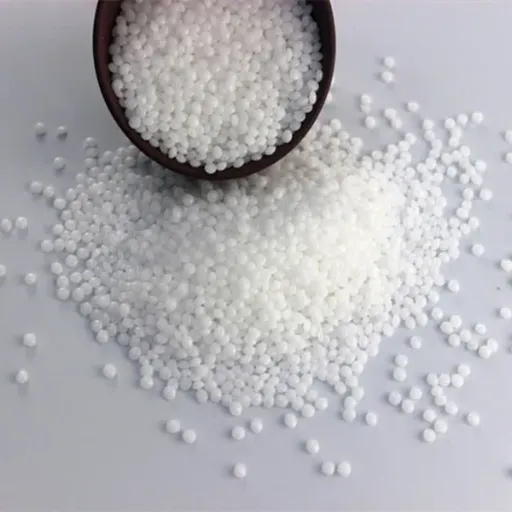
Understanding ABS plastic properties is the first step in deciding whether ABS fits your application. Acrylonitrile Butadiene Styrene, or ABS, is a thermoplastic terpolymer. It is made from three monomers. Acrylonitrile provides heat resistance and chemical stability. Butadiene adds toughness and impact resistance. Styrene gives rigidity and a glossy surface finish.
The result is a strong, dimensionally stable resin. It is easy to injection mold. It is also easy to finish with paint, plating, or printing.
ABS is widely used in consumer electronics, appliances, automotive interior trim, and toys. It accepts color well. Grades are available in natural, black, white, and custom colors.
Typical ABS properties include good tensile strength, moderate heat deflection temperature, and excellent impact resistance at room temperature. Most grades process at melt temperatures between 200 and 240 °C. You can verify specific values on a technical data sheet or compare grade data through an independent materials database.
The material is not ideal for every environment. ABS has limited resistance to some solvents, including ketones and esters. It can also degrade under prolonged UV exposure unless UV-stabilized grades are used.
Heat deflection temperatures are generally lower than those of engineering plastics such as POM or PC. ABS is usually reserved for applications where the service temperature stays below 80 to 90 °C.
For manufacturers that need a reliable housing material with an attractive surface, ABS remains one of the most common choices. Learn more about available ABS resin grades in our product section.
What Is Polypropylene?
The key polypropylene properties help explain why PP is one of the most widely used plastics in the world. Polypropylene (PP) is a semi-crystalline thermoplastic. It is produced from propylene monomer.
PP combines low cost, low density, and good chemical resistance. It also offers reasonable mechanical properties. PP is recyclable, which makes it attractive for brands focused on sustainability.
PP comes in several forms. Homopolymer polypropylene has higher stiffness and heat resistance. Copolymer polypropylene offers improved impact resistance and flexibility. Random and block copolymers are both available.
Talc-filled, glass-filled, and elastomer-modified grades are also available. These are used when higher stiffness or improved low-temperature toughness is required.
Typical PP properties include low density (around 0.90 g/cm³), good fatigue resistance, and excellent resistance to acids and bases. PP is commonly used in automotive interiors, packaging, caps and closures, household goods, and industrial components. Processing temperatures typically range from 200 to 230 °C.
One of PP's standout features is its ability to form living hinges. Thin sections can be flexed repeatedly without cracking. That is why so many bottle caps, shampoo lids, and container closures use polypropylene.
If your application needs repeated flexure, PP is often the only practical choice among commodity plastics. You can explore our full range of polypropylene grades in our product catalog.
ABS vs Polypropylene: Property Comparison
The table below summarizes the key differences. Use it as a quick reference when comparing ABS vs PP for your next project.
| Property | ABS | Polypropylene |
|---|---|---|
| Density | 1.04–1.06 g/cm³ | 0.90–0.91 g/cm³ |
| Tensile strength | 40–50 MPa | 25–35 MPa (homo) |
| Flexural modulus | 2,000–2,500 MPa | 1,000–1,600 MPa |
| Impact strength | High at room temperature | Moderate; copolymer grades improve low-temp |
| Heat deflection temp | 80–100 °C | 90–110 °C (homo); lower for copolymers |
| Chemical resistance | Moderate; poor against ketones/esters | Excellent against most acids and bases |
| Surface finish | Glossy, paintable, printable | Matte, difficult to paint without treatment |
| Flex fatigue | Moderate | Excellent; ideal for living hinges |
| Cost | Higher than PP | Lower than ABS |
| UV resistance | Requires UV-stabilized grades | Requires UV-stabilized grades |
This comparison makes one point clear. The materials are not interchangeable. ABS is a higher-rigidity, surface-oriented material. Polypropylene is a lightweight, chemical-resistant, flexible material.
Your application priorities determine which set of properties matters more.
When Strength and Surface Finish Matter
A product engineer we worked with, Li Wei, was developing a new air purifier housing. His client was a household appliance brand in Suzhou. The housing needed to support a snap-fit assembly with tight tolerances. It also needed to accept a matte paint finish. Finally, it had to resist minor impacts during shipping.
After evaluating several candidates, his team chose ABS. The material's flexural modulus gave the housing the rigidity needed for snap fits. The glossy base surface accepted paint without extensive surface treatment.
The result was a clean, premium appearance. Drop testing showed fewer assembly-related cracks. That is the typical ABS advantage. It behaves like a sturdier, more finish-friendly plastic.
When Chemical Resistance and Flexibility Matter
In contrast, a packaging manufacturer in Guangzhou needed a chemical-resistant cap. The cap was for a cleaning product. It included a thin living hinge. Consumers would flip the hinge open and closed dozens of times.
Polypropylene was the obvious choice. The material resisted the alkaline cleaning solution. It maintained its shape after repeated flexing. It also kept the part cost low due to PP's lower density and price.
ABS would have cracked at the hinge within a few cycles. It would have offered no cost advantage. This case illustrates why application-specific testing matters more than generic material rankings.
ABS vs Polypropylene: Processing Behavior
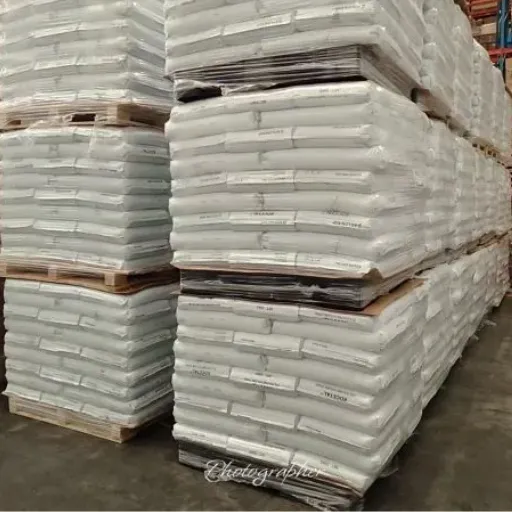
Both ABS and polypropylene injection mold well. However, their processing characteristics differ. Understanding those differences helps prevent defects and improves cycle times.
Injection Molding ABS
ABS generally requires slightly higher melt and mold temperatures than PP. Typical melt temperatures range from 220 to 260 °C. Mold temperatures are often set between 50 and 80 °C.
ABS is hygroscopic, so it must be dried before processing. Moisture levels above 0.1% can cause surface defects such as silver streaking.
ABS shrinks less than PP. Typical shrinkage is 0.4% to 0.7%. That lower shrinkage supports tighter dimensional tolerances. It is one reason ABS is preferred for assemblies with snap fits, bosses, and threaded inserts.
However, ABS is more sensitive to shear heating. Gate design and injection speed require careful attention.
Injection Molding Polypropylene
PP processes at similar melt temperatures. However, it usually uses lower mold temperatures. Shrinkage is higher, ranging from 1.0% to 2.5%. The exact value depends on the grade and processing conditions.
The higher shrinkage means part design and mold design must account for greater dimensional variation. This is especially true in thick sections.
PP is not hygroscopic. It typically doesn't require drying. This reduces preparation time and energy costs. PP also has a lower viscosity than ABS. It allows for faster injection and shorter cycle times in many applications.
These processing advantages help explain why PP is so widely used in high-volume packaging and automotive parts.
ABS vs Polypropylene: Cost and Availability
Material cost is always a factor in resin selection. Polypropylene is generally less expensive per kilogram than ABS. Because PP also has a lower density, a part molded from PP uses less mass than the same part molded from ABS. This further reduces material cost.
However, total part cost depends on more than resin price per kilogram. ABS may allow thinner wall sections due to its higher stiffness. This reduces part weight. Its better paint adhesion can reduce secondary processing costs. Its lower shrinkage can reduce tooling adjustments and dimensional rejects.
For procurement teams, the most useful approach is simple. Compare total landed cost per part. Include material, processing, finishing, and quality control.
Ailide Polymer provides competitive quotes for both ABS and PP grades. We can support trial batches so manufacturers can compare actual production performance before placing large orders.
Applications: Where to Use ABS vs Polypropylene
The best material is the one that matches the functional and cosmetic demands of the application. Below are common use cases for each resin.
Common ABS Applications
Appliance housings for air conditioners, vacuum cleaners, and kitchen equipment.
Consumer electronics enclosures for monitors, routers, and remote controls.
Automotive interior trim such as dashboard panels, center consoles, and vent bezels.
Toys and recreational products requiring bright colors and impact resistance.
Cosmetic casings where surface finish and paintability are important.
If your project needs a balance of impact strength, rigidity, and surface appearance, ABS is usually the better starting point for appliance housings and other visible consumer products. Request a technical data sheet to compare specific grades.
Common Polypropylene Applications
Packaging containers, caps, and closures with living hinges.
Automotive interior components such as door panels, bumpers, and under-hood parts.
Household goods including storage containers, buckets, and bins.
Chemical-resistant parts for industrial and laboratory equipment.
Flexible tubing, seals, and gaskets when elastomer-modified grades are used.
PP is especially strong in applications where the part must flex repeatedly, resist chemicals, or minimize weight. Many automotive interior components use PP for these reasons. For more details on specific grades, visit our polypropylene grades page.
How to Choose Between ABS and Polypropylene: Choosing ABS or PP
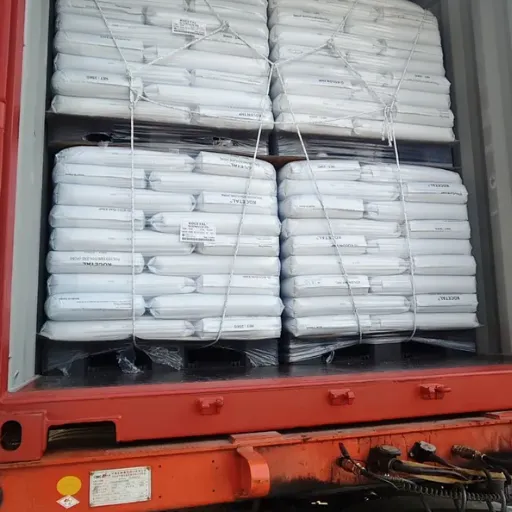
Selecting the right resin comes down to a few practical questions. Use this decision framework to narrow your options before requesting samples.
Does the part need paint, plating, or printing? If yes, ABS is usually easier to finish.
Will the part be exposed to chemicals, acids, or bases? If yes, polypropylene is usually more resistant.
Does the part include thin flexing sections or living hinges? If yes, PP is the better choice.
Is surface gloss or premium appearance required? ABS typically delivers a better cosmetic result.
Is minimizing cost per part the highest priority? PP generally offers a lower-cost path.
Does the part operate above 90 °C? Consider neither unless a heat-stabilized grade is selected. Engineering plastics may be more appropriate.
Are tight tolerances needed? ABS's lower shrinkage supports more precise dimensions.
When the choice is not obvious, the safest approach is to test both materials. Run them in a real or simulated production environment. Process behavior, shrinkage, surface finish, and mechanical performance can all shift once the part is molded under production conditions.
Pro Tip: Always test living-hinge performance with the exact grade and processing parameters you plan to use in production. Small changes in melt temperature, mold temperature, and gate location can significantly affect hinge durability.
Environmental and Sustainability Considerations
Sustainability is becoming a larger factor in material selection. Polypropylene has a lower density than ABS. This means less material per part. It also means lower shipping emissions per unit.
PP is widely recyclable through standard mechanical recycling streams in many regions. Recycled-content PP grades are increasingly available. The PlasticsEurope resource center provides current guidance on plastics recycling and circularity in Europe and globally.
ABS is also recyclable. However, recycled ABS streams are less common. They may also have more variable quality. Some manufacturers prefer virgin ABS for cosmetic parts. Color consistency and surface finish are critical in those cases.
If your customers or regulators require recycled content or lower-carbon materials, discuss your targets with your supplier. Ailide Polymer can help identify grades and documentation that support your sustainability claims.
Frequently Asked Questions
Is ABS stronger than polypropylene?
ABS generally has higher tensile strength, flexural modulus, and impact resistance than standard homopolymer PP. However, "stronger" depends on the type of load. Polypropylene copolymers and elastomer-modified grades can outperform ABS in low-temperature impact and flexural fatigue.
Which is cheaper, ABS or PP?
Polypropylene is usually cheaper per kilogram and per part. This is due to lower resin cost and lower density. However, secondary finishing and tighter tolerances may offset some of that savings in certain applications.
Can you paint polypropylene like ABS?
PP is more difficult to paint or plate than ABS. This is because of its low surface energy. Surface treatments such as flame treatment, corona treatment, or adhesion promoters are usually required. ABS accepts paint and adhesives much more readily.
Which is better for outdoor use?
Neither ABS nor standard PP has good long-term UV resistance. For outdoor applications, choose UV-stabilized grades. You can also consider materials such as ASA or UV-stabilized PC. Unstabilized ABS and PP will discolor and become brittle over time with sun exposure.
Can ABS and PP be used together in one assembly?
They can be used in the same product. However, direct bonding between ABS and PP is difficult without specialized adhesives or mechanical fastening. If the assembly requires welding or solvent bonding, compatibility testing is essential.
Conclusion
ABS vs polypropylene is a decision that depends on your specific manufacturing needs. ABS leads when rigidity, surface finish, and impact strength matter most. Polypropylene leads when chemical resistance, flexibility, low density, and cost efficiency are the priorities.
The best choice depends on your application requirements, processing capabilities, and total part cost targets. Instead of relying on generic rankings, test candidate grades under your real production conditions. A well-chosen resin reduces defects, improves product performance, and keeps your line running smoothly.
If you are evaluating ABS and polypropylene for an upcoming project, contact the Ailide Polymer team. We can recommend certified grades, provide technical data sheets, and arrange trial batches so you can make a confident material decision.
Recently Posted
-
How to Choose a PP Resin Supplier in China: 8 Practical Checks
August 28, 2026A buyer once ordered 20 tons of polypropylene resin from a trader who offered a price 8% below the market average. The shipment ar Read More
 -
POM vs ABS: Stiffness, Wear Resistance, and Cost Compared
August 27, 2026A gear manufacturer once molded a critical timing wheel from ABS to save money, only to find the teeth wearing flat after roughly Read More
 -
Polypropylene (PP) Plastic 101: What It Is, How It's Made, and Why It Matters
August 26, 2026A packaging factory in Southeast Asia once switched its thin-wall yogurt cup line to a cheaper recycled blend without checking the Read More
 -
ABS vs Polycarbonate: Which Plastic is Right for Your Application?
July 31, 2026This ABS vs polycarbonate comparison starts with a simple rule: for most housings, enclosures, and consumer-facing parts, ABS is t Read More

Contact Us
Recommended Products
-
 Automotive Interior Clip and Door Lock POM K300 Injection Molding Material With Low FrictionNegotiableMOQ: 1 Kilogram
 -
KOCETAL POM K300 Virgin Pellets For Precision Gear Bearing Automotive Latch Water Valve PartsNegotiableMOQ: 1 Kilogram
-
Original Kolon POM K300 Engineering Plastic Wear Resistant Self Lubricating Acetal GranulesNegotiableMOQ: 1 Kilogram
-
Self-Lubricating POM K300 HDT 120°C Wear Resistant Resin With 0.2% Moisture AbsorptionNegotiableMOQ: 1 Kilogram
-
POM FM090AW PTFE Filled Wear Resistant Low Friction Acetal for Silent GearsNegotiableMOQ: 1 Kilogram
-
POM FM090 General Purpose Acetal Copolymer With Excellent MachinabilityNegotiableMOQ: 1 Kilogram
-
POM FM090 Standard Flow Acetal Copolymer Granules for Precision Injection MoldingNegotiableMOQ: 1 Kilogram
-
POM FM090 UV Stabilized Acetal Resin for Outdoor Automotive ComponentsNegotiableMOQ: 1 Kilogram
-
Technical Support Available POM K300 Acetal Copolymer for Precision Injection Molding ServiceNegotiableMOQ: 1 Kilogram
-
KOCETAL POM K300 Acetal Copolymer MFR 9 G/10min 1.41g/cm³ Tensile Strength 60MPaNegotiableMOQ: 1 Kilogram
-
Factory Price Polyacetal POM Resin FM090 for Engineering ApplicationsNegotiableMOQ: 1 Kilogram
-
High Strength Cheap POM FM090 UV Engineering Plastic for Automotive PartsNegotiableMOQ: 1 Kilogram
-
Virgin POM FM090 Granules Pellets Engineering Plastic Raw MaterialNegotiableMOQ: 1 Kilogram
-
POM K300 Plastic Granules 1.5% Shrinkage Rate 80 Shore D Hardness Stable Injection Molding PerformanceNegotiableMOQ: 1 Kilogram
-
Low Friction Coefficient High Dimensional Stability POM K300 Acetal Copolymer Injection Molding GradeNegotiableMOQ: 1 Kilogram

-
POM K300 Acetal Sheet Used for Automotive Gear Components and Conveyor Chains in Industrial MachineryNegotiableMOQ: 1 Kilogram
-
POM K300 Engineering Plastic Sheet With Melting Point 165°C and Excellent Wear Resistance for MachiningNegotiableMOQ: 1 Kilogram
-
POM K300 Acetal Copolymer Injection Molding Grade With Low Friction Coefficient and High Dimensional StabilityNegotiableMOQ: 1 Kilogram
-
POM K300 Polyoxymethylene Resin MFI 9 Engineering Plastic Granule for Injection MoldingNegotiableMOQ: 1 Kilogram
-
Virgin POM Granules Polyoxymethylene Pellets Manufacturer Direct Price for Injection MoldingNegotiableMOQ: 1 Kilogram

