Business License

Acetal Resin Guide: POM Properties, Grades, and Applications
Acetal resin, also called polyoxymethylene (POM) or acetal plastic, is a high-crystallinity engineering thermoplastic valued for its stiffness, low friction, wear resistance, and dimensional stability. Manufacturers choose acetal resin for precision mechanical parts such as gears, bearings, bushings, and automotive fuel-system components where metal replacement and consistent performance matter.
But not every acetal grade performs the same way. Choose the wrong homopolymer or copolymer formulation, skip pre-drying, or pair it with an incompatible lubricant, and a part that looked perfect on paper can warp, crack, or seize in production.
In this guide, we will break down what acetal resin is, how its properties compare to alternatives, which grades suit different applications, and what to watch for during processing. You will also learn how to source certified POM material reliably, whether you are validating a prototype or locking in a long-term supply program.
Key Takeaways
Acetal resin (POM) offers high stiffness, low friction, excellent wear resistance, and tight dimensional tolerance for precision mechanical parts.
Homopolymer acetal delivers higher mechanical strength and hardness; copolymer acetal resists hydrolysis, bases, and thermal degradation better.
Common applications include gears, bearings, bushings, automotive fuel-system components, conveyor parts, and electrical housings.
POM is sensitive to acids, oxidizing agents, and moisture during processing; proper drying and mold design are essential.
Source certified POM grades from an authorized distributor to ensure batch traceability, documentation, and consistent quality.
What Is Acetal Resin?
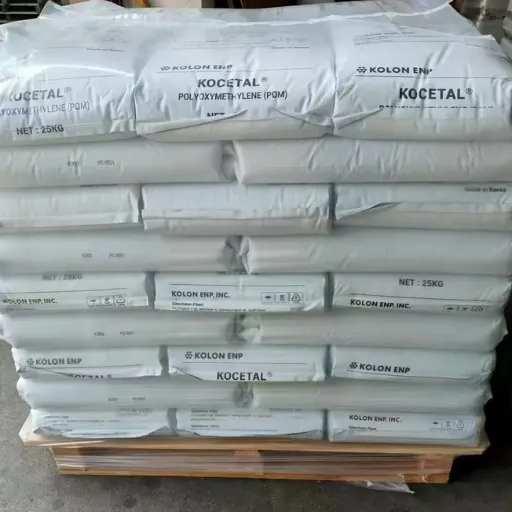
Acetal resin is a semi-crystalline thermoplastic polymer made primarily from formaldehyde. Its full chemical name, polyoxymethylene (POM), reflects the repeating -CH2O- units that give the material its high crystallinity and tightly packed molecular structure.
That crystalline structure is the source of acetal's headline properties: high stiffness, low coefficient of friction, good creep resistance, and excellent dimensional stability. Because POM holds tight tolerances and resists fatigue, it often replaces metals such as brass, zinc, and steel in mechanical assemblies.
The material was first commercialized in the 1960s and has since become one of the most widely used engineering plastics for precision components in automotive, industrial machinery, consumer goods, and electronics. Today, suppliers such as DuPont, Polyplastics, and Celanese offer dozens of grades tailored to specific applications.
The crystalline regions in POM account for roughly 70–80% of the material's volume, depending on processing conditions. This high crystallinity gives acetal its characteristic density of about 1.41 g/cm³ for homopolymer grades and 1.39 g/cm³ for copolymer grades. It also explains why POM parts feel solid, why the material machines cleanly, and why molded components hold tight tolerances after cooling.
Key Properties of Acetal Resin
When engineers evaluate acetal resin, they usually start with these mechanical and thermal properties:
High stiffness and strength. POM has a flexural modulus of roughly 2,400–2,900 MPa and tensile strength in the 60–70 MPa range, depending on grade. It can carry significant loads without excessive deflection.
Low friction and wear. The material's self-lubricating character makes it ideal for sliding and rotating parts. Its coefficient of friction against steel is typically 0.1–0.3, reducing the need for external lubricants in many assemblies.
Excellent dimensional stability. Low moisture absorption, well below 0.5% for most grades, means parts hold their dimensions across humidity cycles and seasonal temperature changes.
Good fatigue resistance. POM performs well under repeated cyclic loading, which is why gear and spring applications rely on it.
Chemical resistance. Acetal resists hydrocarbons, solvents, and many neutral chemicals. However, it is attacked by strong acids and oxidizing agents.
Electrical insulation. POM offers good dielectric properties, making it suitable for connectors, switches, and other electrical components.
Acetal Homopolymer vs Copolymer
Not all acetal resin is identical. The two main families are homopolymer and copolymer acetal, and the choice between them affects performance, processing, and price.
Homopolymer Acetal
Homopolymer acetal, such as DuPont Delrin, is made from a single type of monomer sequence. It delivers higher tensile strength and stiffness, better fatigue resistance, higher hardness, and better abrasion resistance than copolymer grades. Some homopolymer formulations have slightly lower impact resistance in cold or notched conditions.
Copolymer Acetal
Copolymer acetal includes a small amount of comonomer to interrupt the polymer chain. This structure provides better resistance to hot water and alkaline environments, improved stability against thermal degradation, a broader processing window, and lower susceptibility to centerline porosity.
When to Choose Which
For maximum mechanical strength and wear resistance in small precision gears or high-load bearings, homopolymer acetal is often the better choice. If the part will see hot water, repeated sterilization cycles, or alkaline cleaners, copolymer acetal usually wins.
Common Applications of Acetal Resin
A manufacturer of conveyor systems switched from machined brass bearings to injection-molded acetal bushings. The change reduced part weight by nearly 70%, cut per-part cost by roughly 40%, and eliminated the scheduled lubrication cycle on a high-speed packaging line. Within six months, the engineering team extended the same material substitution to guide rails, rollers, and cam followers.
Acetal resin appears across industries:
Automotive
Fuel-system components, door-lock mechanisms, seat-belt parts, HVAC levers, and fuel sender units rely on POM for its fuel resistance, dimensional stability, and fatigue performance. Under-hood temperatures and exposure to hydrocarbons make copolymer grades particularly useful for fuel-system applications.
Industrial Machinery
Gears, bearings, bushings, rollers, cams, and chain guides use acetal resin to reduce noise, weight, and maintenance compared with metal counterparts. The material's ability to run dry against steel or itself simplifies assembly and reduces lubrication costs in conveyors, packaging equipment, and textile machinery.
Consumer Goods
Zippers, appliance knobs, tool handles, and sporting goods components benefit from POM's smooth surface feel and durability. Designers also value its ability to take color well and retain a high-quality finish after repeated handling.
Electrical and Electronics
Connectors, switches, and housings take advantage of acetal's insulation properties and ability to mold into precise shapes. The material's stiffness helps maintain contact alignment, while its low moisture absorption preserves electrical performance in humid environments.
Processing Acetal Resin: What Manufacturers Need to Know
A mold shop producing small gears for power tools noticed surface defects and dimensional drift during a summer production run. The root cause was not the mold design; it was moist pellets. Once they added a dedicated dryer set to 80–100°C and limited pellet exposure to ambient air, rejects dropped from 8% to under 1%. The lesson: acetal resin must be dry before molding.
Key processing guidelines:
Drying. Pre-dry POM pellets at 80–100°C for 2–4 hours. Moisture causes hydrolysis during molding and degrades surface finish.
Melt temperature. Typical range is 180–230°C, depending on grade and machine.
Mold temperature. 60–120°C. Higher mold temperatures improve surface gloss and crystallinity but increase cycle time.
Shrinkage. Expect 1.5–2.5% shrinkage. Account for it in mold design and part tolerances.
Avoid overheating. POM can degrade at prolonged high temperatures, releasing formaldehyde. Purge the barrel if the machine will sit idle.
Pigmentation and additives. Many grades include PTFE, silicone, or glass fiber for enhanced lubrication, wear resistance, or stiffness.
Mold design for POM should account for the material's crystallization behavior. Uniform wall thickness helps prevent sink marks and warpage. Generous fillets and radii reduce stress concentrations, while adequate venting prevents burn marks at weld lines. Because POM shrinks as it crystallizes, cores and cavities must be scaled accordingly, and draft angles of 0.5–1.5 degrees per side are typical.
Want help selecting the right POM grade for your application? Contact our technical support team for guidance.
POM vs Acetal: Is There a Difference?
"POM" and "acetal" are often used interchangeably, but there is a technical distinction. POM is the chemical abbreviation for polyoxymethylene, the polymer family. Acetal resin is the common industrial name for the same class of materials.
In practice:
Acetal resin usually refers to commercial POM grades.
POM homopolymer and POM copolymer describe the two main chemical variants.
Delrin is a well-known trademark for DuPont homopolymer acetal.
If a supplier lists "acetal plastic," "POM material," and "polyoxymethylene," they are pointing to the same polymer family. The important questions are whether the grade is homopolymer or copolymer, what additives it contains, and whether it comes from an authorized source. For a deeper look at grade selection, see our POM material selection guide.
Selecting the Right Acetal Grade
A medical-device startup initially specified a standard homopolymer acetal for a dosing mechanism. During validation, the part showed slight dimensional movement after repeated steam sterilization. Switching to a copolymer grade solved the issue without redesigning the mold, saving an estimated 12 weeks in tooling revisions.
When choosing an acetal grade, consider:
Load and wear requirements. High-load gears may need homopolymer or glass-reinforced grades.
Chemical exposure. Hot water, bases, or steam favor copolymer acetal.
Friction needs. PTFE- or silicone-filled grades reduce friction in sliding applications.
Regulatory requirements. Medical, food-contact, and automotive grades each have specific certifications.
Supplier and documentation. Ensure the grade comes with a technical data sheet (TDS), certificate of analysis, and batch traceability.
Common Grade Categories
Standard unfilled grades are the workhorse for most applications. Glass-fiber-reinforced grades increase stiffness and reduce creep for load-bearing parts. PTFE- and silicone-lubricated grades lower friction and extend wear life in bearings and slides. UV-stabilized grades are available for outdoor or lighted applications. Medical and food-contact grades meet specific regulatory requirements, though these typically require supplier certification.
FAQ

Is acetal resin the same as Delrin?
Delrin is DuPont's trademark for homopolymer acetal resin. All Delrin is acetal, but not all acetal is Delrin. Other suppliers, such as Polyplastics, Mitsubishi Engineering-Plastics, and Celanese, produce acetal resin under different trade names.
What are the disadvantages of acetal resin?
POM has poor resistance to strong acids, oxidizing agents, and UV exposure without stabilization. It also has a narrow processing window and can degrade if overheated or processed with moisture.
Can acetal resin replace metal?
Yes, in many applications. Acetal replaces brass, zinc, and low-carbon steel in gears, bearings, bushings, and housings where load requirements are moderate and weight reduction matters.
What is the difference between POM and nylon?
Both are crystalline engineering plastics with good wear resistance. Nylon absorbs more moisture, which can affect dimensions in humid environments. POM has lower moisture absorption and better dimensional stability, while nylon often offers better impact resistance and broader chemical compatibility. See our nylon vs POM comparison for a side-by-side review.
How should acetal resin be stored?
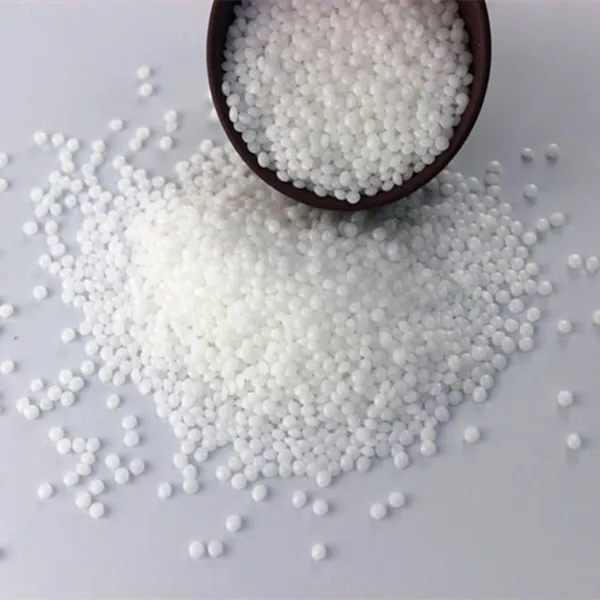
Keep POM pellets in sealed containers away from moisture and heat. Dry pellets before molding according to the supplier's TDS. Limit exposure to ambient air during production.
What is the typical price range for acetal resin?
Pricing depends on grade, supplier, quantity, and market conditions. Standard unfilled homopolymer and copolymer grades are generally mid-range engineering plastics. Filled, lubricated, or specialty grades cost more. Contact an authorized distributor for a current quotation based on your volume and delivery requirements.
Conclusion
Acetal resin remains one of the most reliable engineering plastics for precision mechanical components. Its balance of stiffness, low friction, wear resistance, and dimensional stability makes it a practical alternative to metal in gears, bearings, fuel-system parts, and industrial assemblies.
The key to success is matching the right POM grade, homopolymer or copolymer, unfilled or reinforced, to the actual operating conditions. Pay equal attention to processing: dry the material, control melt and mold temperatures, and design for shrinkage.
If you are evaluating acetal resin for an upcoming project, start with a clear specification and a certified grade from an authorized distributor. Request the technical data sheet, validate the material in your application, and work with a supplier who can support both trial batches and production volumes.
Recently Posted
-
ABS in Automotive Interiors: From Dashboards to Door Panels
September 2, 2026A tier-two supplier once substituted a general-purpose ABS for an automotive-grade ABS on a door trim component to save 4% on resi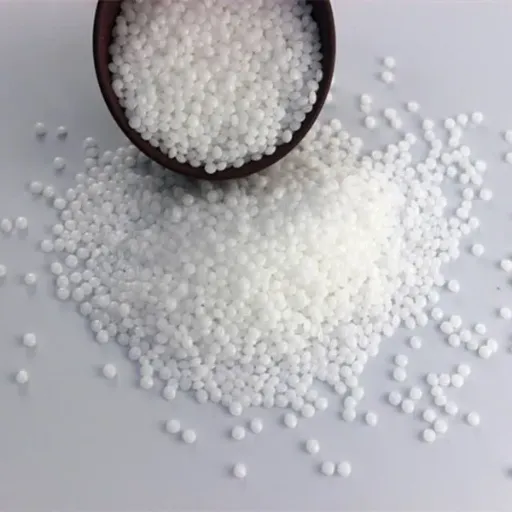 Read More
 -
ABS Flame Retardant Grades and UL 94 Ratings Explained: A Practical Guide for Buyers and Designers
September 2, 2026An electronics manufacturer once submitted a power-supply housing molded from standard ABS to a safety certification test. The mat Read More
 -
KOCETAL K300 vs Formosa FM090 vs DURACON M90: Picking the Right Medium-Viscosity POM
September 2, 2026A gear shop in India once ordered a container of acetal copolymer based on a 5% price discount, without checking whether the grade Read More
 -
PP vs PE: Which Polyolefin Resin Fits Your Application?
September 2, 2026A bottle manufacturer once chose HDPE for a hot-fill juice container and watched the bottles distort on the filling line. The mate Read More

Contact Us
Recommended Products
-
 Automotive Interior Clip and Door Lock POM K300 Injection Molding Material With Low FrictionNegotiableMOQ: 1 Kilogram
 -
KOCETAL POM K300 Virgin Pellets For Precision Gear Bearing Automotive Latch Water Valve PartsNegotiableMOQ: 1 Kilogram
-
Original Kolon POM K300 Engineering Plastic Wear Resistant Self Lubricating Acetal GranulesNegotiableMOQ: 1 Kilogram
-
Self-Lubricating POM K300 HDT 120°C Wear Resistant Resin With 0.2% Moisture AbsorptionNegotiableMOQ: 1 Kilogram
-
POM FM090AW PTFE Filled Wear Resistant Low Friction Acetal for Silent GearsNegotiableMOQ: 1 Kilogram
-
POM FM090 General Purpose Acetal Copolymer With Excellent MachinabilityNegotiableMOQ: 1 Kilogram
-
POM FM090 Standard Flow Acetal Copolymer Granules for Precision Injection MoldingNegotiableMOQ: 1 Kilogram
-
POM FM090 UV Stabilized Acetal Resin for Outdoor Automotive ComponentsNegotiableMOQ: 1 Kilogram
-
Technical Support Available POM K300 Acetal Copolymer for Precision Injection Molding ServiceNegotiableMOQ: 1 Kilogram
-
KOCETAL POM K300 Acetal Copolymer MFR 9 G/10min 1.41g/cm³ Tensile Strength 60MPaNegotiableMOQ: 1 Kilogram
-
Factory Price Polyacetal POM Resin FM090 for Engineering ApplicationsNegotiableMOQ: 1 Kilogram
-
High Strength Cheap POM FM090 UV Engineering Plastic for Automotive PartsNegotiableMOQ: 1 Kilogram
-
Virgin POM FM090 Granules Pellets Engineering Plastic Raw MaterialNegotiableMOQ: 1 Kilogram
-
POM K300 Plastic Granules 1.5% Shrinkage Rate 80 Shore D Hardness Stable Injection Molding PerformanceNegotiableMOQ: 1 Kilogram
-
Low Friction Coefficient High Dimensional Stability POM K300 Acetal Copolymer Injection Molding GradeNegotiableMOQ: 1 Kilogram

-
POM K300 Acetal Sheet Used for Automotive Gear Components and Conveyor Chains in Industrial MachineryNegotiableMOQ: 1 Kilogram
-
POM K300 Engineering Plastic Sheet With Melting Point 165°C and Excellent Wear Resistance for MachiningNegotiableMOQ: 1 Kilogram
-
POM K300 Acetal Copolymer Injection Molding Grade With Low Friction Coefficient and High Dimensional StabilityNegotiableMOQ: 1 Kilogram
-
POM K300 Polyoxymethylene Resin MFI 9 Engineering Plastic Granule for Injection MoldingNegotiableMOQ: 1 Kilogram
-
Virgin POM Granules Polyoxymethylene Pellets Manufacturer Direct Price for Injection MoldingNegotiableMOQ: 1 Kilogram