Business License

How to Choose a Reliable POM Supplier in China
The best POM supplier in China is an authorized distributor that sources polyoxymethylene directly from recognized resin producers, provides full batch documentation, and offers technical support for grade selection. Manufacturers who verify authorization, documentation, and logistics capabilities before ordering reduce the risk of counterfeit or off-spec material disrupting their production lines.
Last quarter, a procurement manager at a Guangdong automotive parts company placed a trial order for POM resin through a low-cost online broker. The material looked correct on the outside, but after three weeks of molding, the parts showed inconsistent shrinkage and surface finish issues. The batch had no certificate of analysis, no traceable origin, and no technical support line. The company lost six weeks of tooling time and had to scrap the trial run. This story is more common than many buyers expect, and it explains why choosing a POM supplier in China is about more than price per kilogram.
You already know that POM, also called polyoxymethylene or acetal, delivers excellent dimensional stability, low friction, and high wear resistance. In this guide, you will learn how to evaluate POM suppliers in China, what documentation to request, which grades suit common applications, and how to build a sourcing relationship that protects your production schedule and part quality. We will also explain how Ailide Polymer approaches POM distribution as an authorized partner rather than a simple reseller.
Key Takeaways
A reliable POM supplier in China sources material through authorized channels from producers such as Polyplastics, DuPont, and Formosa Plastics.
Always request a technical data sheet (TDS), certificate of analysis (COA), and batch traceability documentation before accepting a POM shipment.
Match the POM grade to the application: homopolymer for stiffness and wear, copolymer for chemical resistance and thermal stability.
Evaluate suppliers on technical support, nationwide logistics, and responsive service, not just price.
Ailide Polymer distributes certified POM grades nationwide with application guidance and full documentation.
What Is POM and Why Does Supplier Quality Matter?
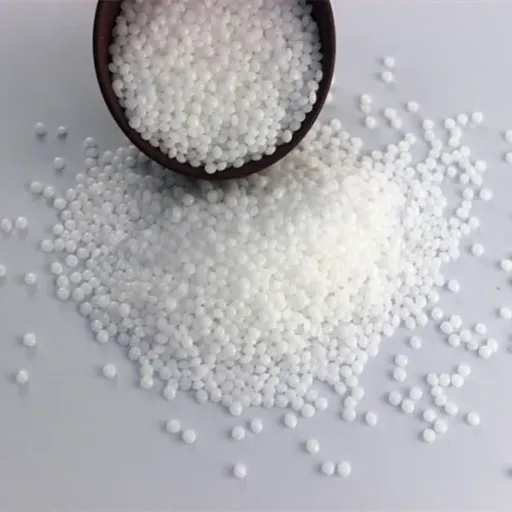
Polyoxymethylene (POM) is a high-crystallinity engineering thermoplastic known for its stiffness, low friction, and excellent dimensional stability. It is commonly used for precision gears, bearings, bushings, automotive fuel-system components, and electrical housings. Two main types dominate the market: POM homopolymer, which offers higher stiffness and tensile strength, and POM copolymer, which provides better chemical resistance and long-term thermal stability.
Because POM is a performance material, small variations in molecular weight, moisture content, or additive packages can change how it processes and performs. A slightly off-spec batch may still pass a basic visual check but fail in torque testing, dimensional tolerance, or environmental aging. That is why supplier quality matters just as much as resin price. Buyers need a partner who can confirm the grade, verify the batch, and respond quickly when questions arise.
The Chinese market has many POM distributors, trading companies, and brokers. Some hold official authorization from global resin producers. Others buy material from secondary markets, repackage it, or blend unclear sources. Telling the difference requires more than a price list. It requires a qualification process that checks authorization, documentation, and service capability.
Want to see the grades we stock? Browse our POM materials and request a technical data sheet for the grade that matches your application.
5 Factors to Evaluate When Choosing a POM Supplier in China
Selecting a POM supplier in China should be a structured decision. Price matters, but it is only one variable in a sourcing equation that also includes quality assurance, technical support, delivery reliability, and documentation. Below are five factors that separate dependable distributors from high-risk brokers.
1. Authorized Distribution Relationships
Ask whether the supplier is an authorized distributor for the brands it sells. Authorization means the supplier buys directly from the resin producer or an approved channel, follows pricing and territory agreements, and has access to factory technical support. Ailide Polymer maintains long-term cooperative relationships with leading global resin producers including DuPont, Polyplastics, Chi Mei, Formosa Plastics, LCY Chemical, Asahi Kasei, Bayer, and BASF. This network supports our ability to supply authentic POM and other engineering plastics with traceable documentation.
2. Batch Documentation and Traceability
Every POM batch should arrive with a technical data sheet (TDS) and a certificate of analysis (COA). The TDS lists mechanical, thermal, and processing properties for the grade. The COA confirms the specific batch meets the producer's specification. Without these documents, you cannot verify that the material is the grade you ordered, or that it has not been repackaged, blended, or stored improperly. A professional supplier should also be able to explain lot numbers, origin, and shelf-life handling.
3. Technical Support and Grade Selection
POM is not a one-size-fits-all material. A gear supplier may need a high-viscosity homopolymer for wear resistance. A fuel-system component manufacturer may need a copolymer with improved hydrolysis resistance. An appliance maker may need a low-friction, noise-reducing grade. A supplier with technical competence can recommend specific grades based on load, temperature, chemical exposure, and processing method. This is one reason technical support should be part of the supplier evaluation.
4. Nationwide Logistics and Inventory Stability
Production lines do not wait for materials. A supplier with stable inventory and nationwide distribution can reduce lead time risk and support just-in-time delivery. Ask about warehouse locations, minimum order quantities (MOQ), and delivery coverage. A distributor with local stock can often respond faster than one that imports material only after receiving your order.
5. Transparent Communication and Long-Term Service
The lowest quoted price often comes with hidden costs: delayed shipments, missing documents, unresponsive support, or inconsistent quality. A reliable POM supplier in China communicates clearly about lead times, MOQ, payment terms, and after-sales support. Look for a partner that treats the relationship as ongoing rather than transactional.
Authorized vs. Unauthorized POM Suppliers: What Manufacturers Risk
The difference between an authorized and unauthorized POM supplier is not always visible in the first phone call. Both may offer the same grade names, similar packaging, and competitive pricing. The difference appears later, in documentation, consistency, and accountability.
Unauthorized suppliers may source material from overstock, grey-market channels, or repackaged lots. The material may be genuine but stored incorrectly, expired, or blended with lower grades. In worse cases, it may be counterfeit or contaminated. The risks include:
Inconsistent melt flow and shrinkage, causing dimensional defects.
Reduced mechanical strength or wear resistance, leading to field failures.
Missing or forged documentation, creating audit and compliance problems.
No technical support when processing issues arise.
Difficulty tracing problems back to a specific batch or origin.
A mid-sized electronics manufacturer in Jiangsu learned this the hard way. The team ordered POM for a new connector housing from a broker that quoted 12% below market. The first production run appeared normal, but after assembly the housings cracked during torque testing. The broker could not provide a COA or lot number. The manufacturer had to switch suppliers, re-validate the material, and delay the product launch by nearly two months. The initial savings were erased many times over.
Authorized distributors protect buyers by maintaining direct relationships with producers, storing material under controlled conditions, and supplying complete documentation. For buyers focused on production continuity and part quality, the extra due diligence pays for itself quickly.
Quality starts with verification. Learn more about our quality assurance process and the documentation we provide with every POM shipment.
How Ailide Polymer Supports POM Sourcing in China
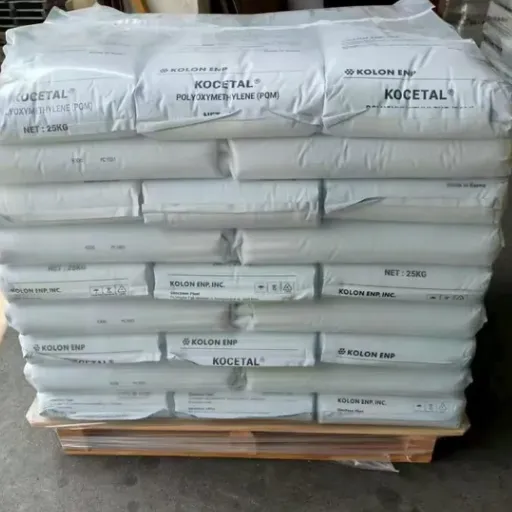
Ailide Polymer (Jiangsu) Co., Ltd. distributes POM and other engineering plastics from authorized global suppliers to manufacturers across China. Our approach combines three capabilities that matter to buyers: certified sourcing, technical guidance, and reliable nationwide logistics.
Certified Sourcing from Global Producers
We source POM through authorized channels from producers such as Polyplastics, DuPont, and Formosa Plastics. This means our customers receive material with proper origin documentation, batch traceability, and factory-backed specifications. We do not rely on grey-market or repackaged material. Our authorized supplier network is the foundation of our quality promise.
Application-Focused Technical Guidance
Our team works with engineers, procurement managers, and mold makers to match the right POM grade to the application. We review requirements such as mechanical load, operating temperature, chemical exposure, surface finish, and processing method. Whether you need a high-stiffness homopolymer for gears or a chemically resistant copolymer for automotive components, we can recommend a suitable grade and provide the supporting TDS.
Nationwide Distribution and Responsive Service
We maintain inventory and logistics capabilities that support delivery across China. Customers can request trial quantities for material validation or set up recurring production supply programs. Our team responds to inquiries about lead time, documentation, grade availability, and order planning. This partnership model is designed to keep production lines running and reduce procurement complexity.
Ready to discuss your POM requirements? Request a quote and our team will recommend an authorized grade with TDS and pricing.
Common POM Grades and Applications to Discuss with Your Supplier
When you contact a POM supplier in China, be prepared to describe your application in detail. The more information you share, the better the supplier can recommend the right grade. Here are common POM categories and where they are typically used.
Standard Injection Molding Grades
Standard POM grades are used for general mechanical parts, housings, and consumer components. They offer good stiffness, wear resistance, and processability. Examples include Polyplastics Duracon and DuPont Delrin standard grades. These are often the starting point for designers who need a reliable engineering plastic with proven performance.
High-Viscosity and Wear-Resistant Grades
For gears, bearings, bushings, and sliding components, high-viscosity POM grades provide better mechanical strength and fatigue resistance. Some grades include internal lubricants to reduce friction and noise. These are common in automotive, industrial machinery, and appliance applications where parts move under load.
Chemical-Resistant and Hydrolysis-Stabilized Grades
POM copolymer grades generally offer better resistance to hot water, fuels, and chemicals than homopolymer grades. Hydrolysis-stabilized variants are used in automotive fuel systems, pump housings, and plumbing components where long-term exposure to moisture or chemicals is expected.
UV-Stabilized and Color-Matched Grades
For outdoor or visible parts, UV-stabilized POM helps maintain appearance and mechanical properties under sun exposure. Color-matched grades support consistent branding and aesthetic requirements in consumer goods and appliances.
Glass-Filled and Modified Grades
Some applications require higher stiffness, lower thermal expansion, or improved dimensional stability. Glass-filled POM and other modified grades address these needs. These grades are typically used in structural components where metal replacement or weight reduction is the goal.
For a deeper comparison of how POM fits against other wear-resistant materials, see our POM material selection guide and the POM vs nylon comparison.
Questions to Ask Before Placing a POM Order
Before you commit to a POM supplier in China, ask specific questions that reveal capability and reliability. Use the answers to compare suppliers and document your decision.
Are you an authorized distributor for the POM brands you offer?
Can you provide the technical data sheet and certificate of analysis for the grade?
What is the origin of the material, and can you trace it by lot number?
What is the minimum order quantity and typical lead time?
Do you offer technical support for grade selection and processing issues?
How do you store and handle material to prevent moisture absorption or contamination?
Can you support trial orders before a production commitment?
What is your policy on documentation, returns, and quality disputes?
A professional supplier will answer these questions clearly and promptly. Evasive answers, missing documents, or unusually low prices are warning signs that should prompt further investigation.
A Suzhou-based industrial equipment manufacturer used a similar checklist when qualifying POM suppliers for a new gear assembly line. After comparing three candidates, the team selected a distributor that was slightly more expensive but provided full TDS, COA, and same-day technical responses. During the first production ramp, a molding parameter question was resolved in one phone call. The parts passed validation on the first attempt, and the line launched on schedule. The supplier relationship became a long-term partnership rather than a one-time transaction.
Frequently Asked Questions
What is POM material used for?
POM, or polyoxymethylene, is used for precision mechanical parts that require stiffness, low friction, and dimensional stability. Common applications include gears, bearings, bushings, automotive fuel-system components, electrical connectors, and appliance housings.
How do I verify an authorized POM supplier in China?
Ask for authorization documentation or confirm the supplier relationship directly with the resin producer. Request the TDS and COA for the grade, verify lot numbers, and evaluate the supplier's technical support and logistics capabilities.
What is the difference between POM homopolymer and copolymer?
POM homopolymer offers higher stiffness, tensile strength, and hardness. POM copolymer offers better chemical resistance, hydrolysis resistance, and thermal stability. The best choice depends on the application environment and mechanical requirements.
What documents should a POM supplier provide?
A reliable supplier should provide a technical data sheet (TDS), certificate of analysis (COA), and batch or lot traceability information. These documents support quality assurance, audit compliance, and problem tracing.
Can I order small trial quantities of POM in China?
Yes. Many authorized distributors, including Ailide Polymer, support trial batches for material validation before production-scale orders. Trial quantities help you confirm processing behavior and part performance before committing to a larger purchase.
Conclusion
Choosing the right POM supplier in China is a decision that affects part quality, production continuity, and total procurement risk. The most reliable suppliers are authorized distributors that source polyoxymethylene directly from recognized global producers, provide full documentation, and offer technical support for grade selection. Price is important, but it should be evaluated alongside authorization, traceability, logistics, and service.
If you are sourcing POM for gears, automotive components, electrical housings, or industrial parts, start by defining your application requirements clearly. Then ask potential suppliers about authorization, documentation, lead time, MOQ, and technical support. Use the answers to build a shortlist of partners that can protect your production schedule and part quality.
Ailide Polymer distributes certified POM grades nationwide from authorized suppliers such as Polyplastics, DuPont, and Formosa Plastics. We provide technical guidance, TDS and COA documentation, and responsive logistics support for manufacturers across China. Whether you need a trial batch or a production supply program, our team can help you select the right POM grade and keep your line running.
Recently Posted
-
ABS in Automotive Interiors: From Dashboards to Door Panels
September 2, 2026A tier-two supplier once substituted a general-purpose ABS for an automotive-grade ABS on a door trim component to save 4% on resi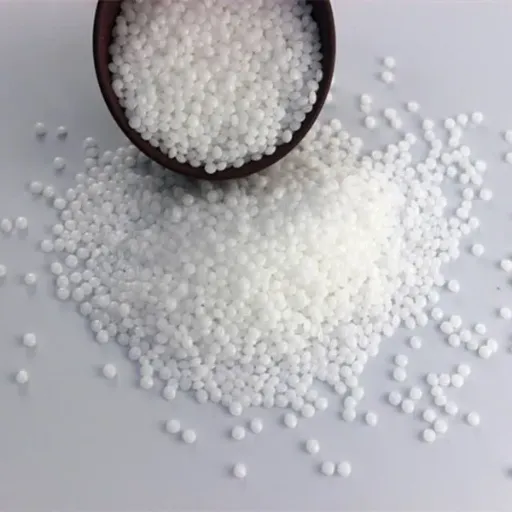 Read More
 -
ABS Flame Retardant Grades and UL 94 Ratings Explained: A Practical Guide for Buyers and Designers
September 2, 2026An electronics manufacturer once submitted a power-supply housing molded from standard ABS to a safety certification test. The mat Read More
 -
KOCETAL K300 vs Formosa FM090 vs DURACON M90: Picking the Right Medium-Viscosity POM
September 2, 2026A gear shop in India once ordered a container of acetal copolymer based on a 5% price discount, without checking whether the grade Read More
 -
PP vs PE: Which Polyolefin Resin Fits Your Application?
September 2, 2026A bottle manufacturer once chose HDPE for a hot-fill juice container and watched the bottles distort on the filling line. The mate Read More

Contact Us
Recommended Products
-
 Automotive Interior Clip and Door Lock POM K300 Injection Molding Material With Low FrictionNegotiableMOQ: 1 Kilogram
 -
KOCETAL POM K300 Virgin Pellets For Precision Gear Bearing Automotive Latch Water Valve PartsNegotiableMOQ: 1 Kilogram
-
Original Kolon POM K300 Engineering Plastic Wear Resistant Self Lubricating Acetal GranulesNegotiableMOQ: 1 Kilogram
-
Self-Lubricating POM K300 HDT 120°C Wear Resistant Resin With 0.2% Moisture AbsorptionNegotiableMOQ: 1 Kilogram
-
POM FM090AW PTFE Filled Wear Resistant Low Friction Acetal for Silent GearsNegotiableMOQ: 1 Kilogram
-
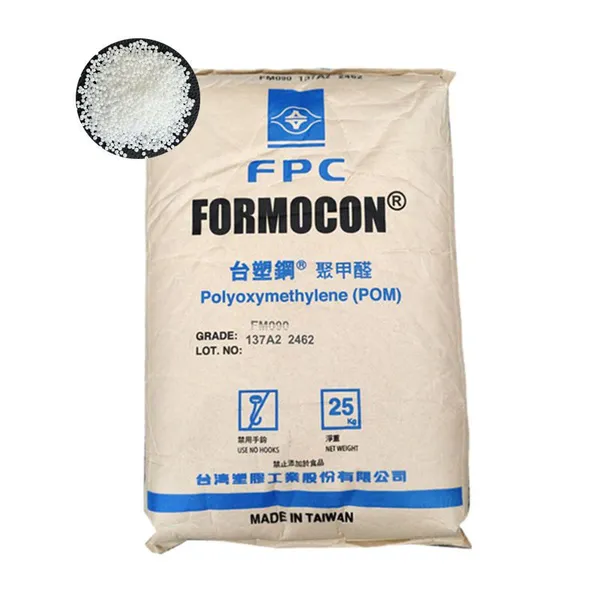
POM FM090 General Purpose Acetal Copolymer With Excellent MachinabilityNegotiableMOQ: 1 Kilogram
-
POM FM090 Standard Flow Acetal Copolymer Granules for Precision Injection MoldingNegotiableMOQ: 1 Kilogram
-
POM FM090 UV Stabilized Acetal Resin for Outdoor Automotive ComponentsNegotiableMOQ: 1 Kilogram
-
Technical Support Available POM K300 Acetal Copolymer for Precision Injection Molding ServiceNegotiableMOQ: 1 Kilogram
-
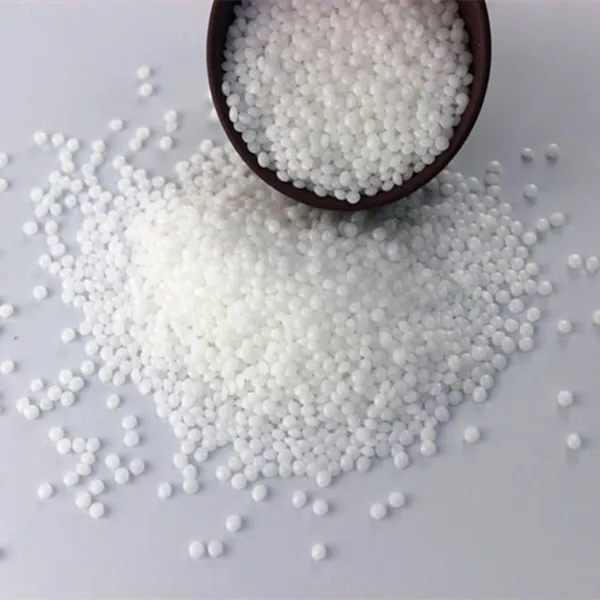
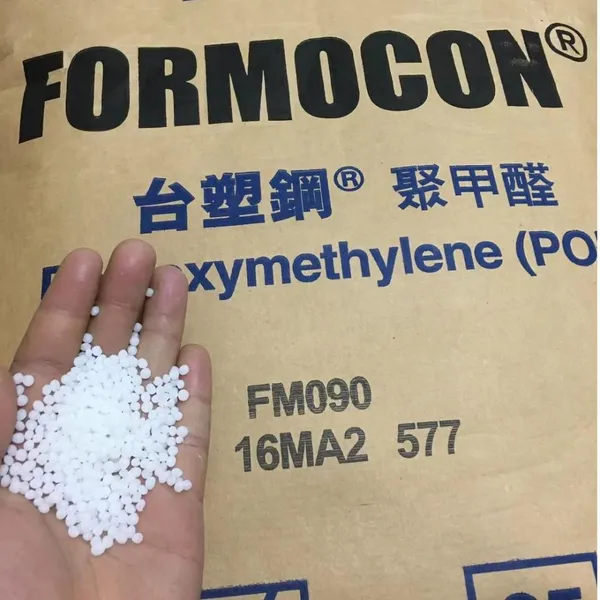
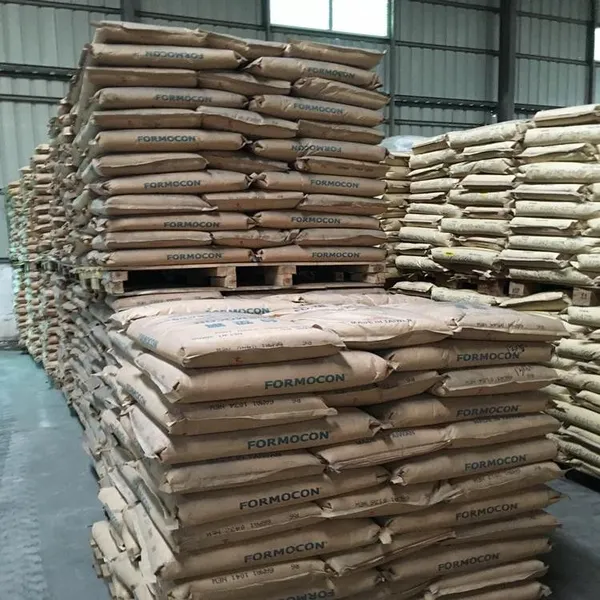
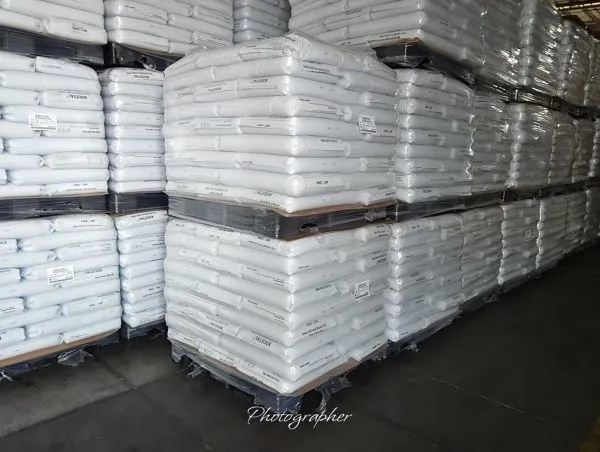
KOCETAL POM K300 Acetal Copolymer MFR 9 G/10min 1.41g/cm³ Tensile Strength 60MPaNegotiableMOQ: 1 Kilogram
-
Factory Price Polyacetal POM Resin FM090 for Engineering ApplicationsNegotiableMOQ: 1 Kilogram
-
High Strength Cheap POM FM090 UV Engineering Plastic for Automotive PartsNegotiableMOQ: 1 Kilogram
-
Virgin POM FM090 Granules Pellets Engineering Plastic Raw MaterialNegotiableMOQ: 1 Kilogram
-
POM K300 Plastic Granules 1.5% Shrinkage Rate 80 Shore D Hardness Stable Injection Molding PerformanceNegotiableMOQ: 1 Kilogram
-
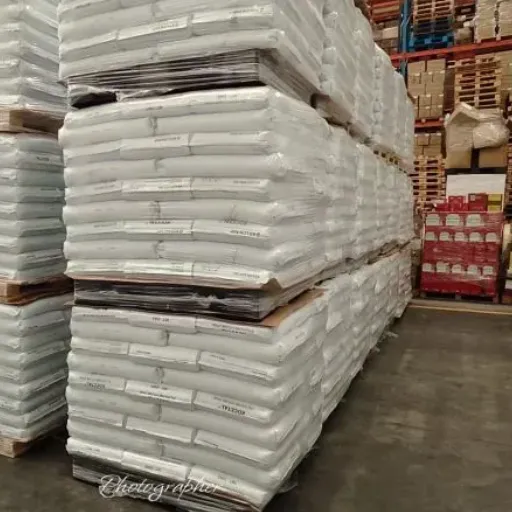
Low Friction Coefficient High Dimensional Stability POM K300 Acetal Copolymer Injection Molding GradeNegotiableMOQ: 1 Kilogram

-
POM K300 Acetal Sheet Used for Automotive Gear Components and Conveyor Chains in Industrial MachineryNegotiableMOQ: 1 Kilogram
-
POM K300 Engineering Plastic Sheet With Melting Point 165°C and Excellent Wear Resistance for MachiningNegotiableMOQ: 1 Kilogram
-
POM K300 Acetal Copolymer Injection Molding Grade With Low Friction Coefficient and High Dimensional StabilityNegotiableMOQ: 1 Kilogram
-
POM K300 Polyoxymethylene Resin MFI 9 Engineering Plastic Granule for Injection MoldingNegotiableMOQ: 1 Kilogram
-
Virgin POM Granules Polyoxymethylene Pellets Manufacturer Direct Price for Injection MoldingNegotiableMOQ: 1 Kilogram