Business License

What Is POM Plastic Used For? Applications, Properties, and Selection Guide
POM plastic is used for precision mechanical parts, automotive fuel-system components, industrial gears, bearings, bushings, consumer appliance parts, and electrical housings. These applications demand high stiffness, low friction, and excellent dimensional stability. POM is also called polyoxymethylene or acetal. It performs especially well where metal replacement, wear resistance, and tight tolerances matter.
Have you ever opened a power tool and wondered why the small gears inside stay quiet and smooth after thousands of cycles? Or why your car's fuel-system fittings rarely leak despite constant vibration and temperature swings? In many cases, the answer is POM. Engineers like Marcus Chen, a product designer at a Zhuhai power-tool manufacturer, switched his gear train from machined aluminum to POM in 2024. The result: a 30% weight reduction, quieter operation, and no need for lubrication on the gear surfaces. His tooling cost also dropped because the parts could be injection molded instead of CNC machined.
If you are evaluating materials for moving parts, tight-tolerance components, or metal-to-plastic conversion, this guide will show you exactly what POM plastic is used for, which properties make it suitable, and how to choose the right grade. We will also explain how Ailide Polymer supports manufacturers with certified POM materials from authorized global suppliers.
Key Takeaways
POM (polyoxymethylene) is an engineering plastic valued for high stiffness, low friction, wear resistance, and dimensional stability.
Common POM applications include precision gears, bearings, automotive fuel-system components, appliance parts, and electrical connectors.
Homopolymer POM offers higher strength and stiffness; copolymer POM delivers better chemical resistance and thermal stability.
POM competes with nylon, ABS, and metals, but stands out when low friction and tight tolerances are required.
Sourcing POM through an authorized distributor ensures authentic grades, batch traceability, and technical data sheets for every lot.
What Is POM Plastic?
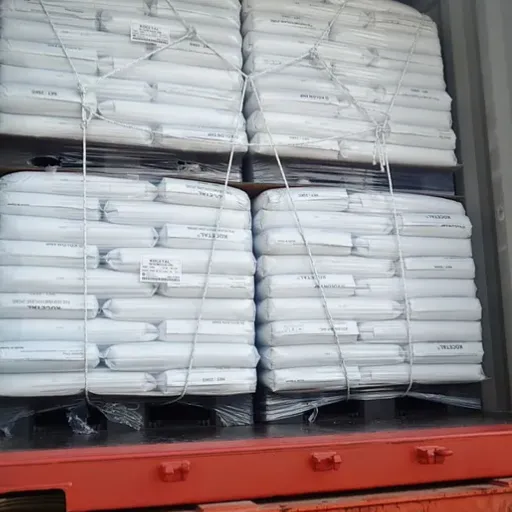
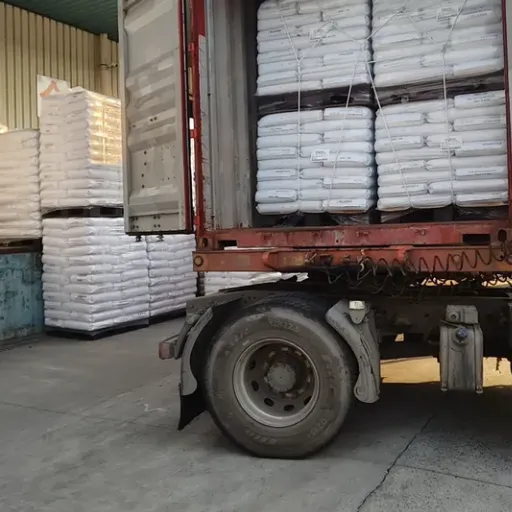
POM stands for polyoxymethylene, a high-crystallinity thermoplastic also known as acetal or polyacetal. It belongs to the engineering plastics family because it delivers mechanical performance well above commodity plastics like polyethylene or polypropylene. The material is produced in two main forms: POM homopolymer and POM copolymer.
POM homopolymer, commonly sold under the DuPont Delrin brand, has a uniform molecular structure. It offers higher tensile strength, stiffness, and fatigue resistance than copolymer grades. However, it is slightly less resistant to hot water and strong bases. POM copolymer, available from suppliers such as Polyplastics and Mitsubishi Engineering-Plastics, has a more open chain structure with random comonomer units. This gives it better chemical resistance, longer-term thermal stability, and easier processing in some applications.
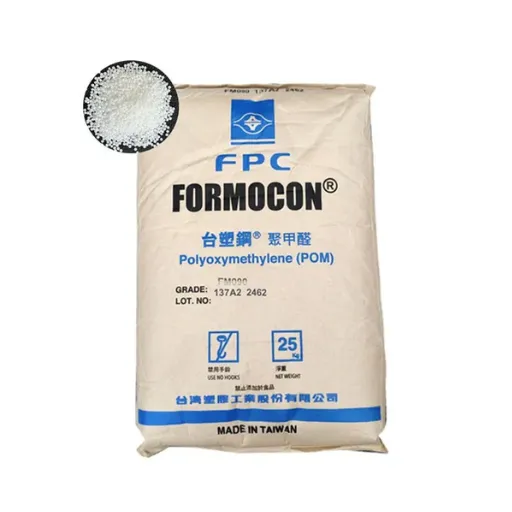
At Ailide Polymer, we distribute both POM homopolymer and copolymer grades from authorized manufacturers including DuPont, Polyplastics, and Formosa Plastics. Every batch is supplied with a technical data sheet and certificate of analysis, so you can verify properties before the material reaches your production line. You can explore our POM materials to see available grades and specifications.
POM Plastic Properties That Drive Applications
What makes POM plastic useful in so many industries? The answer lies in a specific combination of properties that are difficult to find in a single engineering plastic.
High Stiffness and Strength
POM has a flexural modulus of roughly 2,400 to 2,800 MPa and tensile strength between 60 and 70 MPa, depending on the grade. This is much higher than ABS or PP, and close to some nylon grades. The result is a material that can replace metal in load-bearing parts without excessive deflection.
Excellent Dimensional Stability
POM absorbs very little moisture, typically less than 0.25% in standard grades. This is a major advantage over nylon, which can absorb 1.5% to 3% moisture and swell or change mechanical properties in humid environments. For precision gears, snap-fits, and tight-tolerance housings, POM holds its shape.
Low Friction and Wear Resistance
POM has a low coefficient of friction against steel and against itself. This makes it ideal for sliding and rotating parts such as bearings, bushings, and gears. The material also resists abrasion and galling, so mating surfaces stay smooth over long cycle life.
Good Fatigue Resistance
POM withstands repeated flexing and cyclic loading. This matters for spring clips, snap-fits, lever arms, and parts that experience vibration. In automotive and appliance applications, fatigue resistance helps components survive years of use without cracking.
Chemical Resistance
POM copolymer resists fuels, solvents, and many chemicals better than homopolymer. This is why it appears in fuel-system components, pump housings, and chemical-handling equipment. Both types resist hydrocarbons, oils, and alcohols well, but strong acids and bases should be avoided.
Pro Tip: Always check the technical data sheet for the specific POM grade before specifying it for a fuel-contact or hot-water application. Copolymer grades generally handle these environments better than homopolymer grades.
What Is POM Plastic Used For? Core Industries
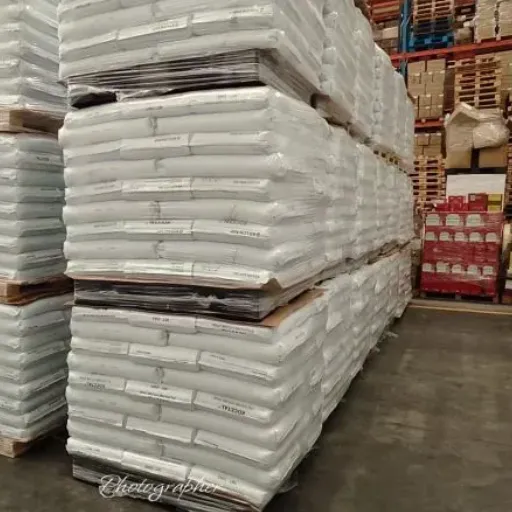
The question "what is POM plastic used for" has a wide answer because POM appears across automotive, industrial, consumer, electrical, and medical sectors. Here are the industries where POM has become a standard material choice.
Automotive Components
POM is widely used in automotive fuel systems, seatbelt components, door-lock mechanisms, window-lifter gears, and HVAC controls. The combination of low friction, fuel resistance, and dimensional stability makes it a reliable choice for under-hood and interior parts. For example, fuel-system quick-connectors and pump housings are often molded from POM copolymer because it resists gasoline and diesel fuels over a wide temperature range.
At a Jiangsu automotive supplier, the team replaced a metal fuel-pump housing with a glass-filled POM copolymer grade in 2023. The part passed 10,000-hour fuel-immersion testing, reduced weight by 40%, and cut per-part cost by 25%. The move also simplified assembly because the plastic housing could be molded with integrated mounting features.
Industrial Machinery
POM plastic is used for gears, bearings, bushings, rollers, conveyor components, and valve bodies in industrial equipment. Its low wear rate reduces maintenance downtime, while its stiffness allows it to carry moderate loads without metal. Manufacturers often choose POM for machinery parts that must run dry or with minimal lubrication.
Consumer Appliances
In washing machines, coffee makers, vacuum cleaners, and kitchen appliances, POM appears in gears, levers, hinges, and pump parts. It offers quiet operation, good surface finish, and resistance to hot water and detergents in many appliance applications. Appliance designers also value POM's ability to be molded in bright colors for visible components.
Electrical and Electronics
POM is used in electrical housings, connectors, switches, and keyboard components. Its good insulation properties, combined with stiffness and dimensional stability, make it suitable for parts that need precise alignment and repeated actuation. However, POM is less common in high-temperature electrical applications than PBT or PA66 because its continuous service temperature is typically around 80 to 105 °C, depending on grade.
Medical and Healthcare Devices
Some POM grades are formulated for medical applications such as inhalers, insulin pens, and surgical instrument handles. These grades must meet biocompatibility, sterilization, and regulatory requirements. If you are considering POM for medical use, verify that the specific grade complies with the relevant standards, such as USP Class VI or ISO 10993, and that the supplier provides full documentation.
Common POM Applications by Function
Breaking the question down by function helps engineers match POM to their part requirements. Here are the most common functional categories.
Precision Gears and Racks
POM is one of the most common gear materials after metal and nylon. It machines and molds well, holds tight tolerances, and runs quietly against mating gears. POM gears are found in power tools, printers, automotive actuators, and small appliances. For high-load gears, glass-filled or mineral-filled POM grades add stiffness and reduce thermal expansion.
Bearings and Bushings
POM's low friction coefficient and good wear resistance make it a natural choice for plain bearings, thrust washers, and sliding bushings. It can operate against steel, stainless steel, and even itself with minimal wear. When lubrication is limited or cleanliness is critical, POM often outperforms metal bushings.
Snap-Fits and Spring Clips
POM's high elasticity and fatigue resistance allow it to function as living hinges, snap-fits, and spring clips. It can be flexed thousands of times without breaking, which is why it appears in buckles, latches, and clip mechanisms. For outdoor applications, UV-stabilized POM grades are recommended to prevent degradation from sunlight.
Valves, Pumps, and Fluid Handling
POM copolymer is used in valves, pump housings, irrigation components, and plumbing parts. Its chemical resistance and dimensional stability help it maintain sealing performance over time. Hot-water applications require careful grade selection, as some homopolymer grades can degrade in prolonged hot-water exposure.
Automotive Fuel-System Parts
Fuel caps, fuel-line connectors, pump modules, and sender-unit components are common POM applications. The material resists gasoline, ethanol blends, and diesel fuel while maintaining the tight tolerances needed for leak-free seals. This is one of the areas where copolymer POM dominates over homopolymer grades.
How to Select the Right POM Grade
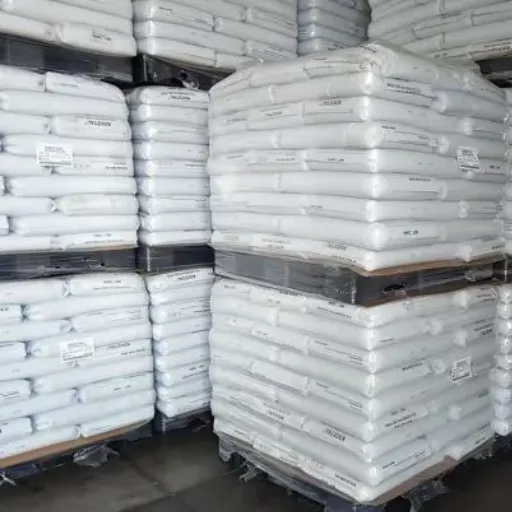
Choosing the right POM grade means matching the material to the application environment, mechanical load, and processing method. Here is a practical selection framework.
Homopolymer vs Copolymer
Use POM homopolymer when you need maximum strength, stiffness, fatigue resistance, and mechanical performance. It is the preferred choice for high-load gears, precision mechanical parts, and spring elements. Use POM copolymer when chemical resistance, thermal stability, and hydrolysis resistance matter more. It is the safer choice for fuel-contact, hot-water, and chemically exposed parts.
Unfilled vs Filled Grades
Unfilled POM offers the best surface finish, lowest friction, and easiest processing. Glass-filled POM increases stiffness, strength, and heat resistance, but reduces toughness and wear resistance against mating surfaces. Mineral-filled POM improves dimensional stability and reduces warpage, often at a lower cost than glass-filled grades. PTFE-lubricated or silicone-lubricated POM further reduces friction for bearing and sliding applications.
Color and Appearance Requirements
POM is available in natural, black, and custom colors. Natural POM has a slight ivory or yellow tint. For visible consumer parts, color-matched grades are often supplied. Ailide Polymer can support custom-colored batches based on your specification, with technical data sheets provided for every lot.
Processing Considerations
POM is typically processed by injection molding. The material must be dried before molding to avoid hydrolysis and surface defects. Mold temperatures, melt temperatures, and cooling rates all affect crystallinity, shrinkage, and final dimensions. For more on POM processing parameters, Plastics Technology publishes practical guidance for molders. Working with a supplier who provides processing guidance, such as Ailide Polymer's technical support team, can help avoid common defects like sink marks, voids, and dimensional variation.
Pro Tip: For tight-tolerance parts, always request shrinkage data from the specific grade and lot. POM shrinkage is typically 1.5% to 2.5%, but it varies by grade, wall thickness, and processing conditions.
POM vs Alternative Materials
Engineers often compare POM to nylon, ABS, and metals when selecting a material. Here is how POM stacks up.
POM vs Nylon
Nylon, or polyamide, has higher toughness and better impact resistance than POM in many grades. It also handles higher temperatures, especially glass-filled PA66. However, nylon absorbs more moisture, which can cause dimensional change and property loss in humid environments. POM is the better choice for precision parts, low-friction applications, and environments where moisture stability matters. For a deeper comparison, see our guide to POM vs nylon for wear parts.
POM vs ABS
ABS is lower cost, easier to process, and offers better impact resistance than POM. However, ABS has lower stiffness, lower wear resistance, and poorer dimensional stability under load. POM is preferred for mechanical parts, gears, and sliding components, while ABS is better for cosmetic housings and consumer electronics enclosures.
POM vs Metal
POM can replace metal in many low-to-moderate load applications. The benefits include weight reduction, corrosion resistance, noise reduction, and lower manufacturing cost for complex shapes. The trade-offs are lower heat resistance, lower load capacity, and susceptibility to creep under sustained high loads. For heavily loaded or high-temperature parts, metal or a filled engineering plastic may still be required.
Sourcing POM Through an Authorized Distributor
Material authenticity matters when you specify POM for critical parts. Counterfeit or off-spec resin can cause dimensional drift, premature wear, and field failures. Ailide Polymer sources POM directly through authorized channels from globally recognized suppliers including DuPont, Polyplastics, Chi Mei, and Formosa Plastics. We provide batch traceability and technical data sheets for every lot, so your quality team can verify specifications on arrival.
Our portfolio covers homopolymer and copolymer grades, unfilled and filled options, and standard and custom colors. Whether you need a trial batch for validation or a production supply program, we work with you to select the right grade and deliver on schedule. For detailed guidance, visit our POM Material Selection Guide or request a quote for the specific POM grade you need.
FAQ: What Is POM Plastic Used For?
Is POM the same as acetal?
Yes. POM is the chemical abbreviation for polyoxymethylene, and acetal is the common industry name for the same material family. Both homopolymer and copolymer POM are often referred to as acetal.
What is POM plastic used for in automotive?
POM is used in automotive fuel-system components, seatbelt parts, door-lock mechanisms, window-lifter gears, and HVAC controls. Its low friction, fuel resistance, and dimensional stability make it well suited for these applications.
Can POM replace metal gears?
POM can replace metal gears in many low-to-moderate load applications. It offers quiet operation, low friction, and good wear resistance. For very high loads or high temperatures, metal or a reinforced composite may be required.
Is POM safe for food contact?
Some POM grades are approved for limited food-contact applications, but you must verify the specific grade and regulatory compliance. Always request the appropriate food-contact declaration or certification from your supplier.
What is the difference between Delrin and POM?
Delrin is DuPont's brand name for POM homopolymer. All Delrin is POM, but not all POM is Delrin. POM copolymer grades are sold under other trade names, such as Polyplastics' Duracon and Celanese's Celcon.
Conclusion
POM plastic is used for precision mechanical parts, automotive fuel-system components, industrial gears, bearings, appliance mechanisms, and electrical housings. Its combination of stiffness, low friction, wear resistance, and dimensional stability makes it a reliable engineering plastic for metal replacement and tight-tolerance applications.
When selecting POM, match the grade type to the environment: homopolymer for maximum mechanical performance, copolymer for better chemical and thermal resistance. Consider filled or lubricated grades for added stiffness or reduced friction. And source from an authorized distributor to ensure authentic materials with full documentation.
If you are evaluating POM for your next project, Ailide Polymer can help. Contact our technical team to discuss your application, request a technical data sheet, or arrange a trial batch. We will work with you to select the right grade and keep your production line supplied with certified engineering plastics.
Recently Posted
-
ABS in Automotive Interiors: From Dashboards to Door Panels
September 2, 2026A tier-two supplier once substituted a general-purpose ABS for an automotive-grade ABS on a door trim component to save 4% on resi Read More
 -
ABS Flame Retardant Grades and UL 94 Ratings Explained: A Practical Guide for Buyers and Designers
September 2, 2026An electronics manufacturer once submitted a power-supply housing molded from standard ABS to a safety certification test. The mat Read More
 -
KOCETAL K300 vs Formosa FM090 vs DURACON M90: Picking the Right Medium-Viscosity POM
September 2, 2026A gear shop in India once ordered a container of acetal copolymer based on a 5% price discount, without checking whether the grade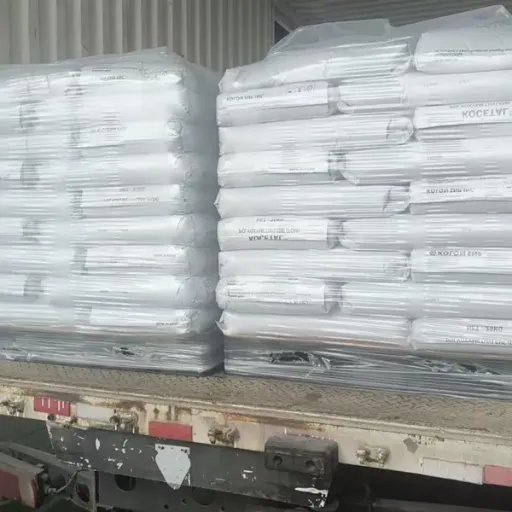 Read More
 -
PP vs PE: Which Polyolefin Resin Fits Your Application?
September 2, 2026A bottle manufacturer once chose HDPE for a hot-fill juice container and watched the bottles distort on the filling line. The mate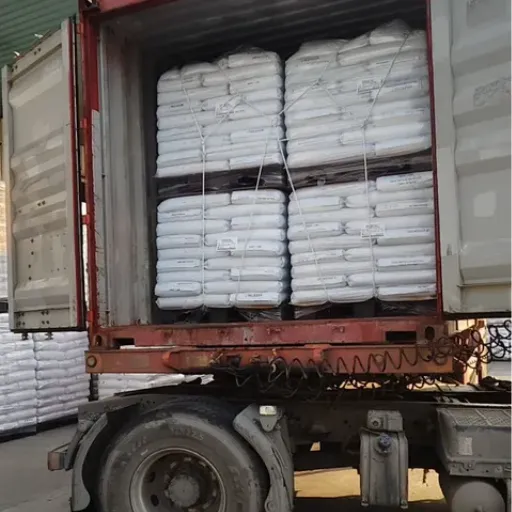 Read More

Contact Us
Recommended Products
-
 Automotive Interior Clip and Door Lock POM K300 Injection Molding Material With Low FrictionNegotiableMOQ: 1 Kilogram
 -
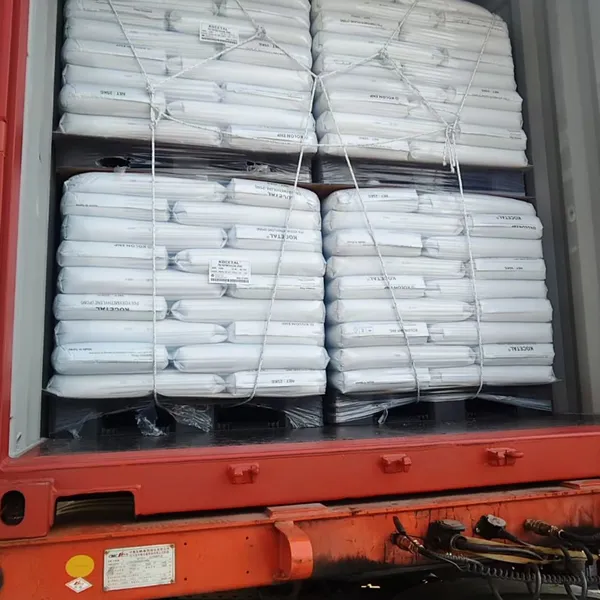
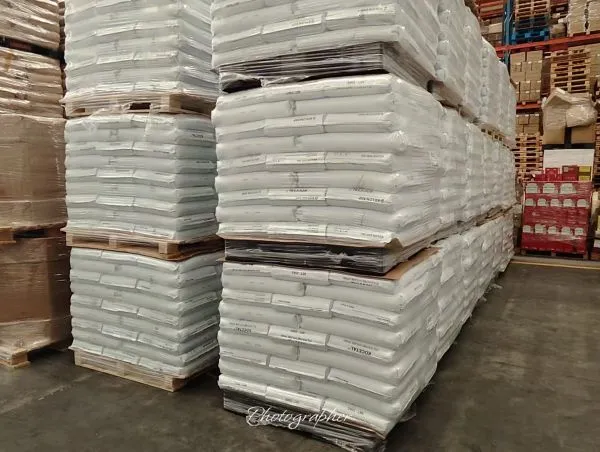
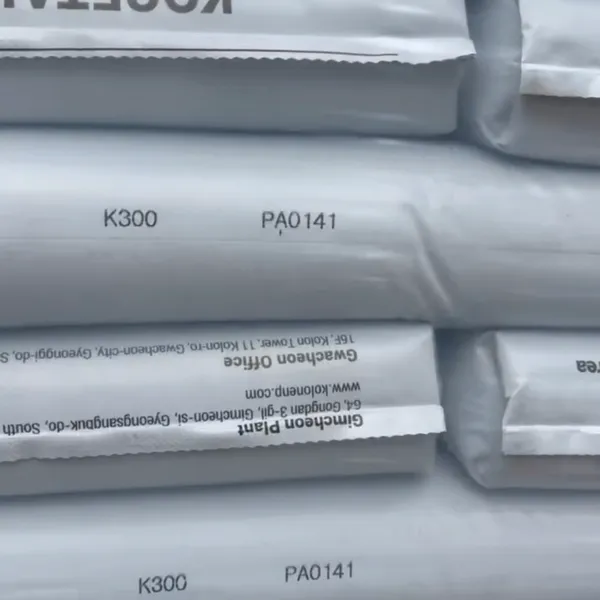
KOCETAL POM K300 Virgin Pellets For Precision Gear Bearing Automotive Latch Water Valve PartsNegotiableMOQ: 1 Kilogram
-
Original Kolon POM K300 Engineering Plastic Wear Resistant Self Lubricating Acetal GranulesNegotiableMOQ: 1 Kilogram
-
Self-Lubricating POM K300 HDT 120°C Wear Resistant Resin With 0.2% Moisture AbsorptionNegotiableMOQ: 1 Kilogram
-
POM FM090AW PTFE Filled Wear Resistant Low Friction Acetal for Silent GearsNegotiableMOQ: 1 Kilogram
-
POM FM090 General Purpose Acetal Copolymer With Excellent MachinabilityNegotiableMOQ: 1 Kilogram
-
POM FM090 Standard Flow Acetal Copolymer Granules for Precision Injection MoldingNegotiableMOQ: 1 Kilogram
-
POM FM090 UV Stabilized Acetal Resin for Outdoor Automotive ComponentsNegotiableMOQ: 1 Kilogram
-
Technical Support Available POM K300 Acetal Copolymer for Precision Injection Molding ServiceNegotiableMOQ: 1 Kilogram
-
KOCETAL POM K300 Acetal Copolymer MFR 9 G/10min 1.41g/cm³ Tensile Strength 60MPaNegotiableMOQ: 1 Kilogram
-
Factory Price Polyacetal POM Resin FM090 for Engineering ApplicationsNegotiableMOQ: 1 Kilogram
-
High Strength Cheap POM FM090 UV Engineering Plastic for Automotive PartsNegotiableMOQ: 1 Kilogram
-
Virgin POM FM090 Granules Pellets Engineering Plastic Raw MaterialNegotiableMOQ: 1 Kilogram
-
POM K300 Plastic Granules 1.5% Shrinkage Rate 80 Shore D Hardness Stable Injection Molding PerformanceNegotiableMOQ: 1 Kilogram
-
Low Friction Coefficient High Dimensional Stability POM K300 Acetal Copolymer Injection Molding GradeNegotiableMOQ: 1 Kilogram

-
POM K300 Acetal Sheet Used for Automotive Gear Components and Conveyor Chains in Industrial MachineryNegotiableMOQ: 1 Kilogram
-
POM K300 Engineering Plastic Sheet With Melting Point 165°C and Excellent Wear Resistance for MachiningNegotiableMOQ: 1 Kilogram
-
POM K300 Acetal Copolymer Injection Molding Grade With Low Friction Coefficient and High Dimensional StabilityNegotiableMOQ: 1 Kilogram
-
POM K300 Polyoxymethylene Resin MFI 9 Engineering Plastic Granule for Injection MoldingNegotiableMOQ: 1 Kilogram
-
Virgin POM Granules Polyoxymethylene Pellets Manufacturer Direct Price for Injection MoldingNegotiableMOQ: 1 Kilogram